Zakir Naik extradition raised with India, confirms Malaysian PM Anwar Ibrahim
Synopsis
For the first time publicly, Malaysia's Prime Minister Anwar Ibrahim confirmed that Zakir Naik's extradition came up in private talks with PM Modi at the BRICS Summit — but his careful emphasis on 'caution' and 'rule of law' signals no imminent handover. A decade-old diplomatic thorn just got official acknowledgement, without resolution.
Key Takeaways
Malaysian PM Anwar Ibrahim confirmed Zakir Naik 's extradition was discussed in private talks with PM Narendra Modi on 12 September 2026 .
The talks took place on the sidelines of the 18th BRICS Summit in New Delhi .
Ibrahim described extradition as a 'priority' for bilateral trust but stressed the need to act 'very cautiously' and respect the rule of law.
Zakir Naik has lived in Malaysia as a permanent resident since 2016 , facing charges of hate speech and money laundering in India.
Ibrahim also said he disagrees with Kerala cleric Kanthapuram A P Aboobacker Musliar 's remarks restricting women to the home, and plans to say so directly in Kozhikode on Sunday.
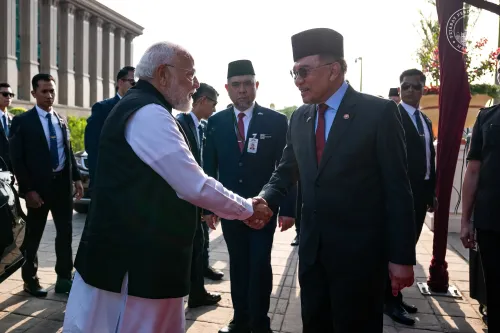
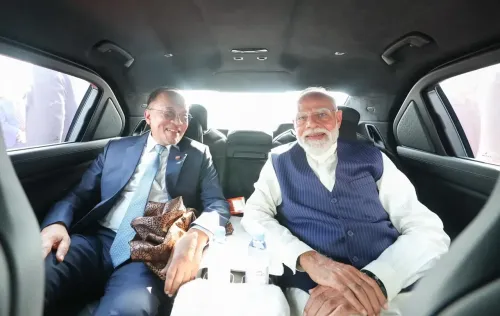
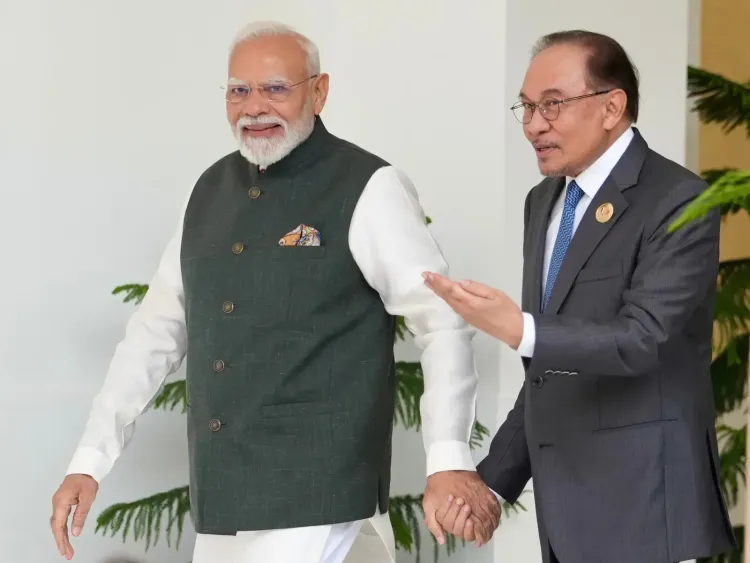
Malaysian Prime Minister Anwar Ibrahim on Saturday, 12 September 2026 confirmed that the extradition of fugitive Islamic preacher Zakir Naik was discussed during private bilateral talks with Prime Minister Narendra Modi, held on the sidelines of the 18th BRICS Summit in New Delhi. The acknowledgement is the most explicit public confirmation by Kuala Lumpur that the matter remains on the diplomatic agenda between the two nations.
What Anwar Ibrahim Said
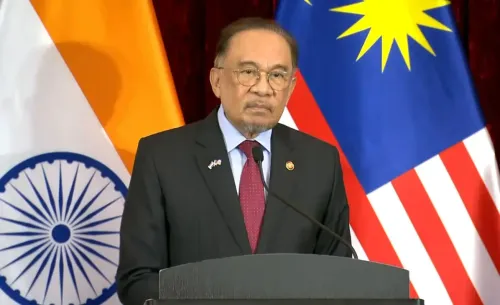
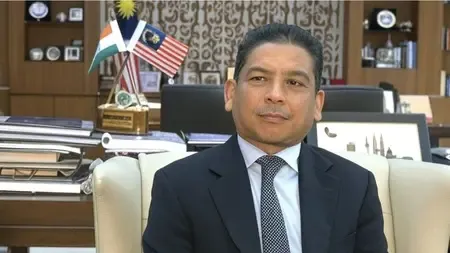
Speaking in an exclusive interview with a television channel, Ibrahim confirmed that the discussions were deliberately kept confidential. 'In private discussions, of course, these engagements continue,' he said, adding that both sides 'thought we should keep it very private to protect the interests of both nations.'
He described the extradition issue as a 'priority' in the context of building bilateral trust. 'We have some understanding of it, but we need to do it very cautiously,' Ibrahim said. 'Respect the rule of law and the importance of these bilateral relations.'
Background on the Zakir Naik Case
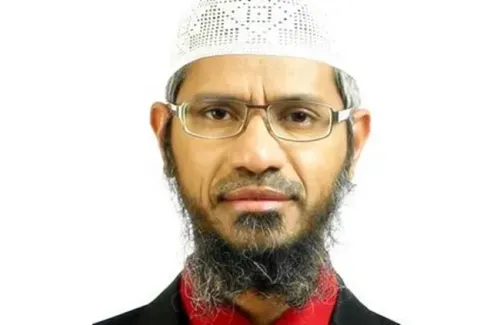
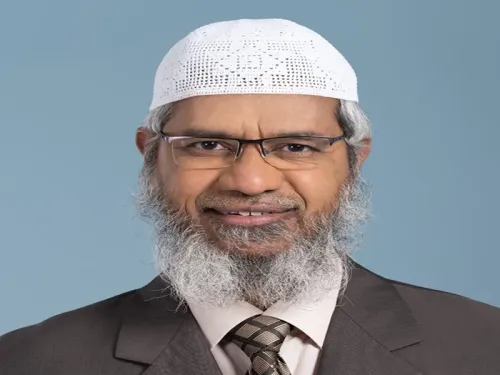
Controversial Indian Islamic preacher Zakir Naik has resided in Malaysia as a permanent resident since 2016, after Indian authorities initiated investigations against him and associated organisations — including the Islamic Research Foundation and Peace TV — on charges of hate speech and money laundering. India subsequently submitted a formal extradition request, which Malaysia has stated it will address through established legal channels.
Naik was granted permanent residency in Malaysia after relocating, a move that has long complicated India's extradition bid. The case has been a persistent irritant in bilateral ties even as the two countries otherwise maintain warm economic and strategic relations.
Anwar Ibrahim's Stance on Women's Rights
Separately, Ibrahim distanced himself from remarks made by Kerala-based Islamic cleric Kanthapuram A P Aboobacker Musliar, who recently drew sharp criticism for stating that women should remain confined to their homes and not enter the public sphere. 'I do not agree with all his views,' Ibrahim said.
The Malaysian Prime Minister is scheduled to meet the cleric in Kozhikode on Sunday. Ibrahim said he would directly convey to the cleric that Malaysia guarantees women equal rights, noting that his country has more female students in universities than male, that his wife is a medical doctor, and that his daughters have been afforded full educational freedom and opportunity.
Diplomatic Context and What Comes Next
The bilateral meeting between Modi and Ibrahim on the sidelines of the BRICS Summit covered a range of issues, with the Naik extradition representing the most sensitive item on the table. Ibrahim's careful phrasing — emphasising the rule of law and caution — signals that Kuala Lumpur is unlikely to move quickly, even as it acknowledges India's concerns. This comes amid broader efforts by both countries to deepen trade and investment ties, raising the diplomatic stakes of unresolved legal disputes. All eyes will now be on whether a formal extradition process gains momentum following the BRICS-margin engagement.
Point of View
But the language he chose — 'very cautiously', 'rule of law', 'private' — is the language of managed deferral, not imminent action. Malaysia has used procedural caution as a buffer on the Naik issue since 2016, and nothing in Ibrahim's remarks suggests that is about to change. The real question is whether India extracted any concrete timeline commitment in the private meeting that has not been disclosed publicly. If it did not, the BRICS sidebar may amount to an acknowledgement of the problem rather than a pathway to its resolution — a diplomatic photo-op dressing up a decade-old impasse.
NationPress
12 Sept 2026
Frequently Asked Questions
Did Malaysia agree to extradite Zakir Naik to India?
No firm agreement was announced. Malaysian PM Anwar Ibrahim confirmed the issue was discussed privately with PM Modi at the BRICS Summit but said Malaysia would proceed 'very cautiously' and within established legal channels, without committing to a timeline.
Why is Zakir Naik wanted in India?
Zakir Naik faces charges of hate speech and money laundering in India. Investigations were initiated in 2016 against him and his associated organisations, including the Islamic Research Foundation and Peace TV, prompting him to leave India for Malaysia, where he was later granted permanent residency.
Where did the India-Malaysia talks on Zakir Naik take place?
The discussions took place on the sidelines of the 18th BRICS Summit in New Delhi on 12 September 2026, during a bilateral meeting between PM Narendra Modi and Malaysian PM Anwar Ibrahim.
What did Anwar Ibrahim say about women's rights during his India visit?
Ibrahim said he disagrees with Kerala cleric Kanthapuram A P Aboobacker Musliar's remarks that women should remain at home. He said he would tell the cleric directly during a Sunday meeting in Kozhikode that Malaysia guarantees women equal rights.
What is India's current status on the Zakir Naik extradition request?
India has formally submitted an extradition request to Malaysia. Malaysia has maintained it will cooperate through established legal channels but has not initiated formal extradition proceedings, citing procedural and bilateral sensitivities.