Mamata Banerjee's 'Chameleon' poem targets TMC rebels amid infighting
Synopsis
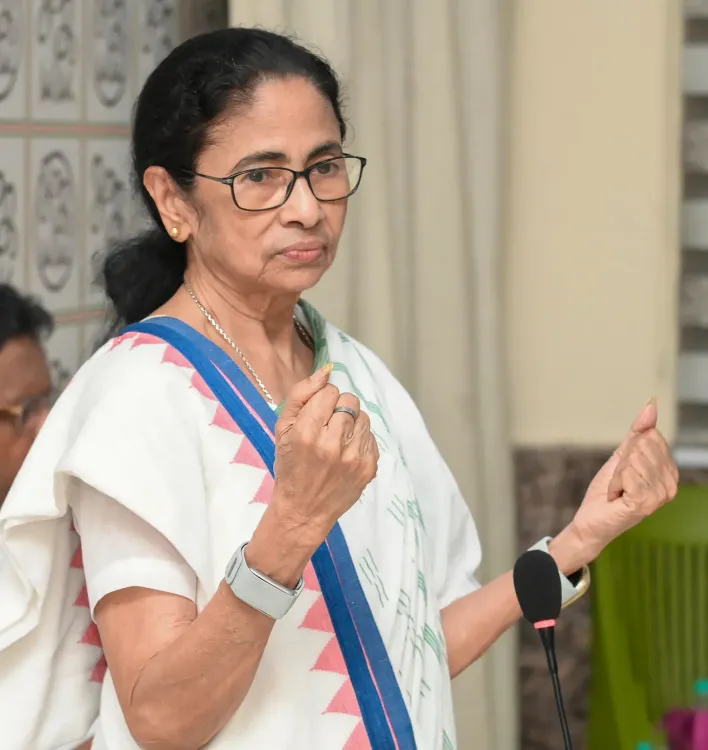
Mamata Banerjee did not call a press conference or issue a statement — she wrote a poem. The 'Chameleon' verse, posted on Facebook after the TMC's electoral drubbing, is a veiled but unmistakable warning to rebels targeting Abhishek Banerjee: change sides now, and face consequences later. It is political messaging dressed as poetry.
Key Takeaways
Mamata Banerjee posted a Bengali poem titled 'Chameleon' on Facebook on Wednesday night amid rising TMC infighting.
The poem targets rebels within the Trinamool Congress (TMC) who have blamed party general secretary Abhishek Banerjee for the party's landslide electoral defeat.
Key lines warn that those who 'change colours' for financial gain will face consequences, with closing lines referring to 'traitors' being held to account.
Mamata had earlier told newly elected legislators that those wishing to quit the TMC were free to leave — signalling early awareness of the revolt.
The rebellion marks one of the more direct internal challenges to the TMC's leadership structure since the party's founding.
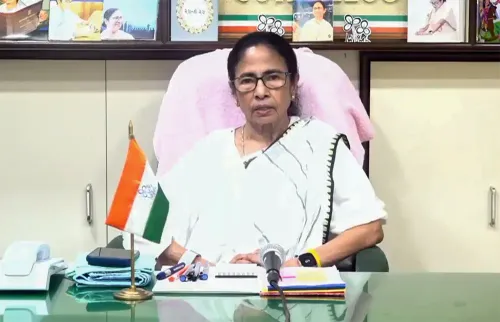
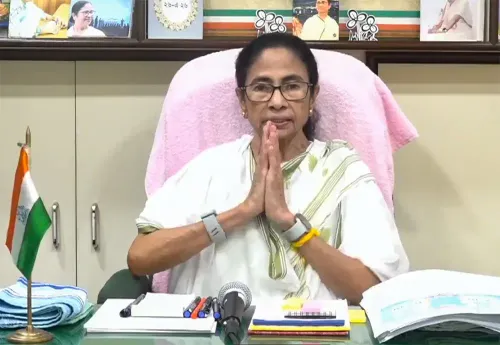
All India Trinamool Congress (TMC) chief and former West Bengal Chief Minister Mamata Banerjee posted a Bengali poem titled 'Chameleon' on her Facebook page on Wednesday night, widely seen as a pointed rebuke to rebel factions within the party who have been targeting her nephew and party general secretary, Abhishek Banerjee, over the TMC's recent landslide electoral defeat. The move has sent ripples through political corridors in Kolkata and across West Bengal.
The Poem and Its Message
The poem's opening lines drew a sharp distinction between natural chameleons and what Mamata described as far more dangerous human equivalents. 'More terrifying than the chameleons are those multi-faceted persons who change their colours faster to keep their source of earning intact,' she wrote.
Subsequent lines accused such individuals of changing 'their colours and characters within hours for the sake of their own financial transactions' and of selling 'the self-respect of people and workers.' The imagery is unmistakably political — a direct indictment of those allegedly preparing to abandon the party at its most vulnerable moment.
A Warning to Dissenters
The poem's closing lines carried what observers read as an unambiguous threat of political consequences. 'Just as the wheels of the chariot will move, so will your wheels move. You will get results. On that day, the traitors will understand what valueless inhumanity is all about,' the verse concluded.
Notably, Mamata had earlier signalled awareness of the brewing discontent. In her first address to newly elected party legislators after the election results, she reportedly told those wishing to leave the TMC that they were free to do so — a remark that, in hindsight, appears to have been a pre-emptive acknowledgement of the fractures now surfacing.
The Rebellion Within TMC
The internal crisis centres on a faction of TMC leaders and elected representatives who have publicly blamed Abhishek Banerjee, the party's Lok Sabha member and general secretary, for the party's poor performance. The criticism has grown sharper since the results, with some leaders reportedly considering their political options outside the party.
This is not the first time the TMC has faced internal turbulence — the party has weathered defections and factional disputes before — but the current episode is notable for its directness and its timing, coming immediately after an electoral setback.
Political Fallout and What Comes Next
Mamata's choice of a poem rather than a press statement or direct address is itself a political signal — a stylistic move she has deployed before to communicate displeasure without triggering a formal confrontation. Political analysts in West Bengal suggest the verse serves a dual purpose: rallying loyalists while putting rebels on notice.
Whether the poem will contain the rebellion or accelerate it remains to be seen. The TMC's internal reckoning is likely to intensify in the coming weeks as the party recalibrates its strategy in the aftermath of the defeat.
Point of View
However suppressed, signals that the post-Mamata succession question is no longer theoretical. The poem may silence critics temporarily, but the electoral wounds that triggered the dissent remain unaddressed.
NationPress
11 Oct 2026
Frequently Asked Questions
Why did Mamata Banerjee write the 'Chameleon' poem?
Mamata Banerjee wrote the poem as an indirect rebuke to rebel TMC leaders who have been publicly criticising party general secretary Abhishek Banerjee following the party's landslide electoral defeat. The poem, posted on Facebook on Wednesday night, warns dissenters of political consequences without naming them directly.
Who are the rebels targeting within the TMC?
A faction of TMC leaders and elected public representatives has been targeting Abhishek Banerjee, the party's general secretary and Lok Sabha member, holding him responsible for the party's poor electoral performance. Some are reportedly considering leaving the party.
What do the key lines of the poem say?
The opening lines state that people who 'change their colours faster to keep their source of earning intact' are more terrifying than chameleons. The closing lines warn that 'traitors will understand what valueless inhumanity is about' when consequences arrive — widely read as a political threat to dissenters.
Has Mamata Banerjee addressed the rebellion directly?
Mamata had earlier told newly elected TMC legislators that those wishing to quit the party were free to do so — an implicit acknowledgement of the discontent. The poem is her most pointed public response to date, though it stops short of naming individuals.
What is the significance of this internal TMC crisis?
The crisis is notable because it follows an electoral setback and directly implicates Abhishek Banerjee, Mamata's nephew and the party's second-most powerful figure. It raises questions about the TMC's internal cohesion and the succession dynamics within one of India's most personality-driven regional parties.