Mandaviya Puts Chitrakoot Falls on India's Tourism Map
Synopsis
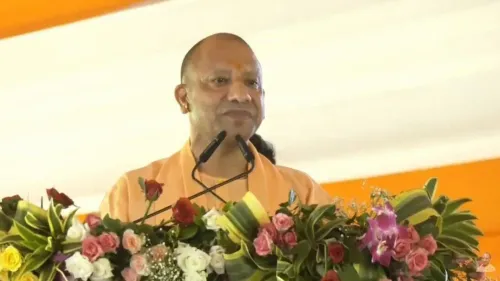
Union Minister Mansukh Mandaviya on November 2, 2026 used a Hindi verse on X to spotlight Chitrakoot Falls, Chhattisgarh's 'Niagara of India,' calling on Indians to skip foreign travel and explore the country's own natural wonders.
Key Takeaways
Mansukh Mandaviya , Union Minister of Labour and Sports, promoted Chitrakoot Falls in Chhattisgarh through a poetic Hindi post on November 2, 2026 .
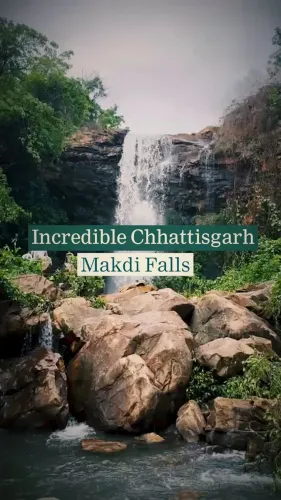
Chitrakoot Falls on the Indravati River is widely called the 'Niagara of India' for its breadth of nearly 300 metres .
The post encouraged Indians to choose domestic travel over overseas destinations, aligning with long-standing central government tourism policy.
The Swadesh Darshan scheme (launched 2014-15 ) has funded eco-tourism circuit development including sites in Chhattisgarh.
Chhattisgarh has promoted its waterfalls and forests as flagship tourism assets since the state's formation in 2000 .
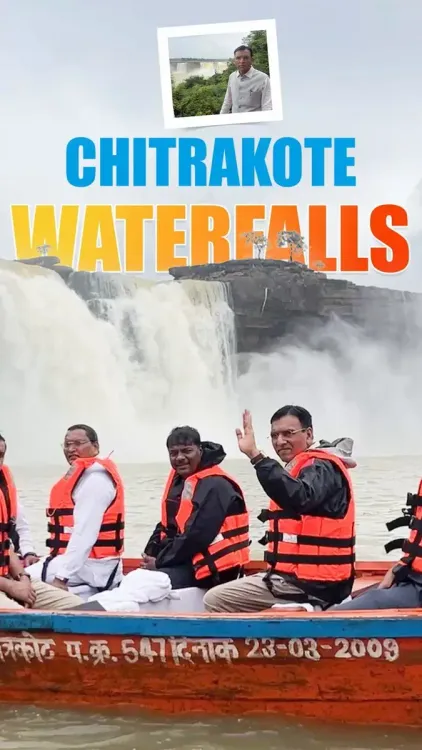
Why cross seven seas to see a waterfall when India's own 'Niagara' is waiting? On Monday, November 2, 2026, Union Labour and Sports Minister Mansukh Mandaviya posted a lyrical, first-person tribute to Chitrakoot Falls in Chhattisgarh — urging Indians to look inward before booking an overseas flight.
Writing in Hindi, Mandaviya gave voice to the waterfall itself: 'मैं चित्रकूट फॉल्स हूं... मैं प्रकृति के द्वारा छत्तीसगढ़ को मिली अमूल्य भेंट हूं' — 'I am Chitrakoot Falls... I am the priceless gift nature has given to Chhattisgarh.' The post closed with a gentle competitive jab at foreign travel: 'Why go thousands of miles to see waterfalls? Take a little time out and come to Chhattisgarh this time.'
India's Own Niagara — What Makes Chitrakoot Remarkable
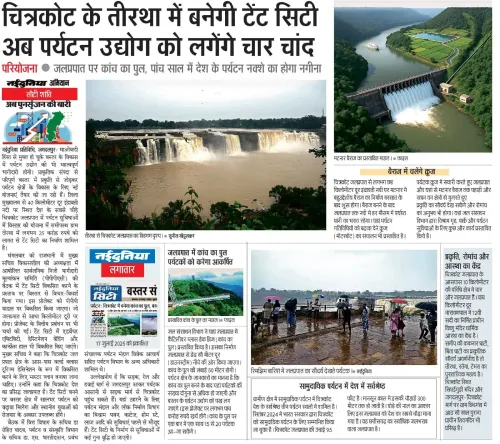
Chitrakoot Falls sits on the Indravati River in Bastar district, Chhattisgarh, and stretches nearly 300 metres across at its widest — earning it the long-standing nickname 'the Niagara of India.' Unlike the thin, vertical falls more common across the subcontinent, Chitrakoot drops in a broad, horseshoe-shaped curtain, making it among the widest waterfalls in the country. The cascade is at its most dramatic during and just after the monsoon, when the Indravati swells and the falls roar with orange-brown floodwater.
Chhattisgarh, carved out as a separate state in 2000, has consistently positioned its dense forests, waterfalls, and tribal heritage as centrepieces of its tourism identity. The falls are the state's single most-visited natural attraction, yet remain far less known internationally than comparable sites in neighbouring states.
The 'Vocal for Local Tourism' Pulse Behind the Post
Mandaviya's post is a crisp articulation of a policy instinct that has run through New Delhi's tourism thinking for over a decade. The Swadesh Darshan scheme, launched in 2014-15, was designed precisely to develop thematic circuits — including eco-tourism corridors — and bring underexplored destinations like Chhattisgarh's waterfall belt into the mainstream travel conversation. The logic is straightforward: every rupee spent at a domestic site stays in the Indian economy; every foreign trip bleeds foreign exchange.
Indian central and state ministers have made social media a regular vehicle for this kind of destination advocacy — a low-cost, high-reach nudge that costs nothing but a minister's credibility and a good video. Mandaviya posted a video alongside his verse, letting the falls speak for themselves.
What This Could Mean for Chhattisgarh Tourism
A viral push from a Union Cabinet minister carries weight beyond a tourism department brochure. Attention from the Centre can translate into infrastructure funding conversations, inclusion in future circuit tourism tenders, and a spike in search traffic that the state's hotel and hospitality sector can ride. Whether that momentum leads to a formal announcement — new visitor facilities, road upgrades, or a dedicated circuit grant — remains to be watched.
For now, the 'India of it all' is the point. Mandaviya's verse is a reminder that the country's most spectacular natural theatre sometimes sits not on a postcard from abroad, but a few hundred kilometres from the nearest domestic airport.
Point of View
Which frames domestic travel as both a patriotic act and an economic one. For Chhattisgarh, a state that has historically struggled to break into mainstream travel itineraries despite spectacular natural assets, Central ministerial amplification can shift the needle on awareness faster than any state campaign budget. The verse format — unusual for a Union minister — signals a deliberate effort to go viral rather than merely inform, suggesting the tourism-promotion social media playbook is growing more sophisticated.
NationPress
2 Nov 2026
Frequently Asked Questions
Where is Chitrakoot Falls located?
Chitrakoot Falls is located on the Indravati River in Bastar district, Chhattisgarh, in central India. It is often called the Niagara of India because of its wide, horseshoe-shaped cascade.
Why is Chitrakoot Falls called India's Niagara?
The falls stretch nearly 300 metres across at their widest point, making them one of the broadest waterfalls in India — a scale that draws comparisons to Niagara Falls in North America.
What did Mansukh Mandaviya say about Chitrakoot Falls?
Mandaviya posted a Hindi verse on X on November 2, 2026, giving voice to the falls and urging Indians not to travel overseas just to see waterfalls, instead inviting them to visit Chhattisgarh.
What is the best time to visit Chitrakoot Falls?
The falls are most spectacular during and just after the monsoon season, typically July through October, when the Indravati River is in full flow and the cascade is at its widest and most powerful.
What is the Swadesh Darshan scheme and does it cover Chhattisgarh?
Swadesh Darshan is a central government scheme launched in 2014-15 to develop thematic tourism circuits across India, including eco-tourism corridors. Chhattisgarh's natural sites have been part of discussions under this framework.