What Can We Learn from Manipur's Suffering During the Burmese Occupation (1819-1826)?
Synopsis
Discover the profound reflections of Manipur's Governor on the state's tumultuous history during the Burmese occupation. This article explores the legacy of Maharaja Gambhir Singh and the importance of unity and courage in overcoming adversity.
Key Takeaways
Manipur's history includes periods of great suffering and glory.
The Burmese occupation from 1819 to 1826 was a significant trauma for the region.
Maharaja Gambhir Singh's leadership inspired a struggle for freedom.
The Treaty of Yandabo recognized Manipur's sovereignty.
Preservation of heritage is crucial for future generations.
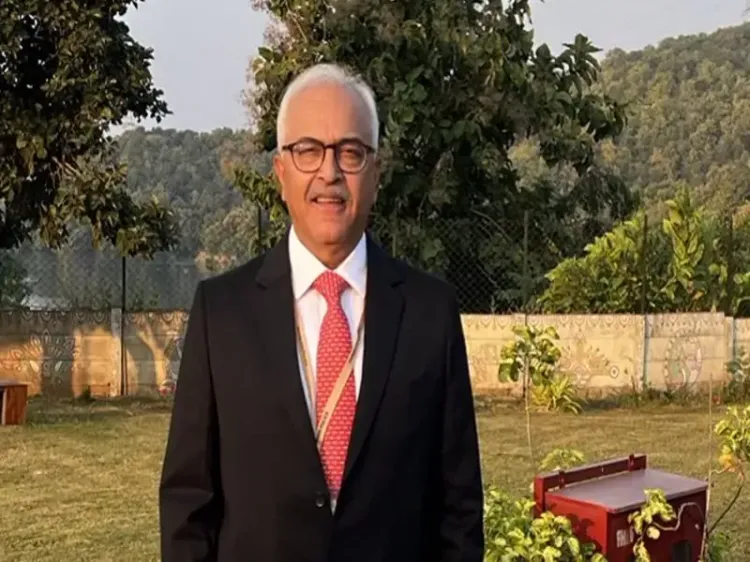
Imphal, Jan 9 (NationPress) - On Friday, Manipur's Governor Ajay Kumar Bhalla highlighted the dual nature of the state's history, filled with both glory and significant suffering, particularly during the Burmese occupation from 1819 to 1826, a grim chapter known as Chahi Taret Khuntakpa.
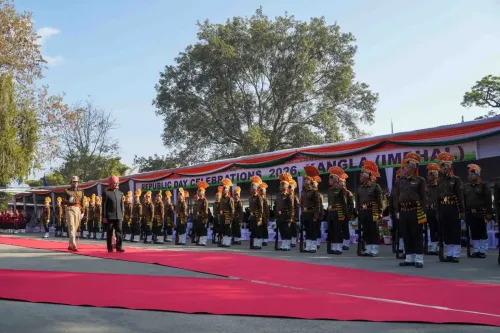
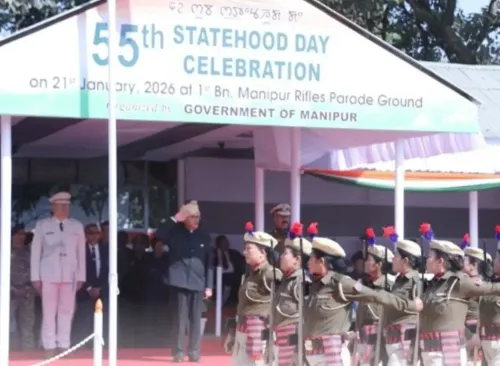
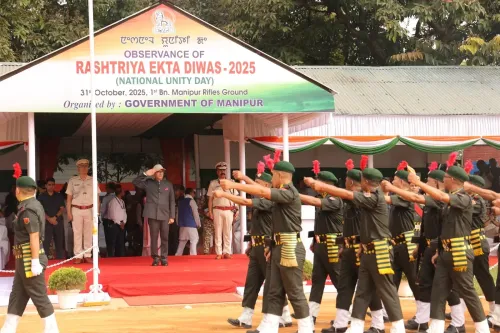
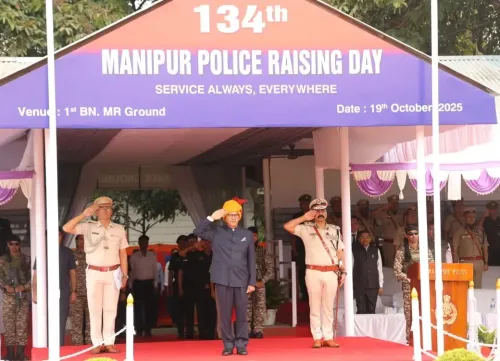
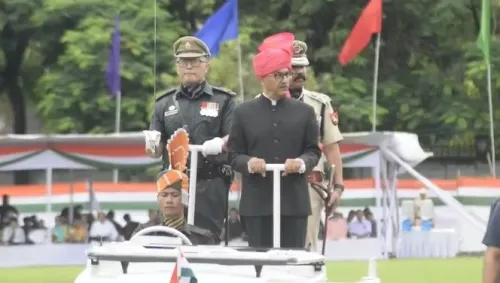
The Governor presided over the 192nd death anniversary of Maharaja Gambhir Singh at his Samadhi in Langthabal (Canchipur), where he, along with other dignitaries, paid homage with floral tributes. A formal ceremony included a guard of honour, a gun salute, and the sounding of the Last Post by a Manipur Rifles contingent.
This devastating period posed a threat to the kingdom's very existence, yet it also forged remarkable leadership in Maharaja Gambhir Singh, whose bravery and vision ignited a relentless struggle for freedom.
Governor Bhalla remarked that the Maharaja's influence transcended military victories, leading to the international acknowledgment of Manipur's sovereignty through the Treaty of Yandabo.
The state government is committed to preserving this lasting legacy by safeguarding the Maharaja's Samadhi as a historical site and transforming Langthabal Konung Ching into a hub for heritage, education, and tourism.
Bhalla encouraged citizens to remember the Maharaja not just in ceremonial observance but in spirit, urging them to draw inspiration from his courage, unity, and steadfast dedication to the people of Manipur.
Additionally, the Governor offered floral tributes at the statues of Meidingu Narasingh and Sana Herachandra, leading the Tarpon Katpa observance and paying respect to the Dhop Pala.
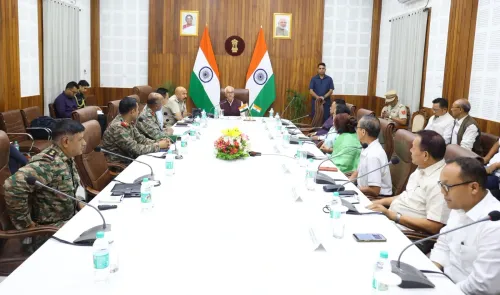
In attendance were several MLAs, Chief Secretary Puneet Kumar Goel, Chief Security Advisor Kuldiep Singh, senior civil and police officials, as well as members of the public.
Former Chief Minister N. Biren Singh and other leaders also paid heartfelt tributes to Maharaja Gambhir Singh, who ruled the former princely state from April 1821 to October 1821 and again from June 12, 1825 to January 9, 1834.
In a message on his social media, Biren Singh stated: “His unwavering commitment to Manipur’s dignity and identity serves as a reminder of our responsibility to safeguard unity, promote harmony, and selflessly serve our people.”
He further expressed: “As we commemorate the 192nd death anniversary of Maharaja Gambhir Singh, we honor an iconic figure in our history whose vision, bravery, and sacrifices preserved the essence of our land. His legacy teaches us that true leadership is grounded in sacrifice and service, and that Manipur's strength lies in the unity of its people and their love for the homeland.”
“As we pay tribute to Maharaja Gambhir Singh, let us renew our commitment to uphold the unity, integrity, and harmony of Manipur, working together for a future that honors the sacrifices of our forebears,” Singh concluded.
Point of View
The commemoration of Maharaja Gambhir Singh's legacy serves as a vital reminder of the historical struggles faced by regions like Manipur. It emphasizes the resilience and strength of local leadership in overcoming adversity. The Governor's remarks highlight the ongoing importance of unity and the preservation of cultural heritage in today's rapidly changing society.
NationPress
3 Oct 2026
Frequently Asked Questions
What was the Burmese occupation of Manipur?
The Burmese occupation of Manipur occurred between 1819 and 1826 and is referred to as 'Chahi Taret Khuntakpa,' a period marked by significant suffering and turmoil for the region.
Who was Maharaja Gambhir Singh?
Maharaja Gambhir Singh was a prominent leader of Manipur, known for his bravery and visionary statesmanship, who reigned during the early 19th century and played a crucial role in the struggle for Manipur's sovereignty.
What is the significance of the Treaty of Yandabo?
The Treaty of Yandabo, signed in 1826, recognized Manipur's sovereignty and marked a significant achievement in the state's history, influenced by the leadership of Maharaja Gambhir Singh.
How is the state government honoring Maharaja Gambhir Singh's legacy?
The state government is preserving Maharaja Gambhir Singh's Samadhi as a historical monument and developing Langthabal Konung Ching as a center for heritage, learning, and tourism.
What message did Governor Bhalla convey during the observance?
Governor Bhalla urged citizens to remember Maharaja Gambhir Singh not only through ceremonies but in spirit, emphasizing the importance of drawing inspiration from his courage and commitment to the people of Manipur.