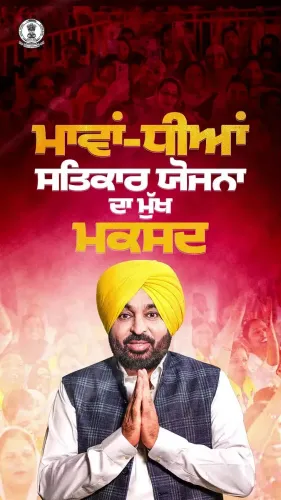
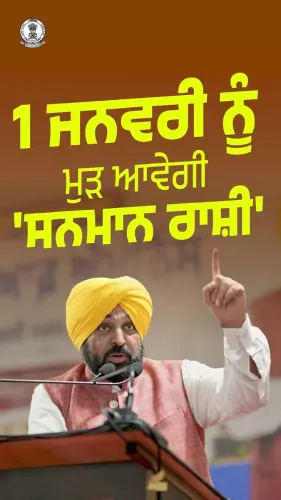
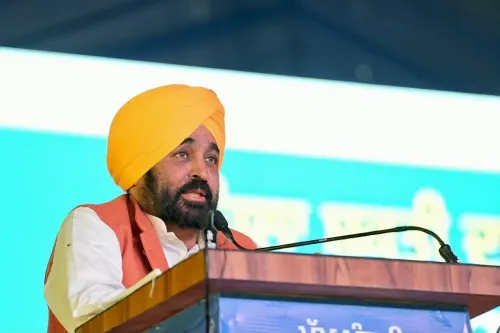
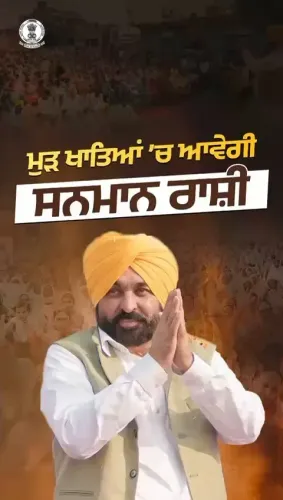
CM Bhagwant Mann champions Mawan-Dhiyan Satkar Yojana at Tarn Taran lok milni
Synopsis
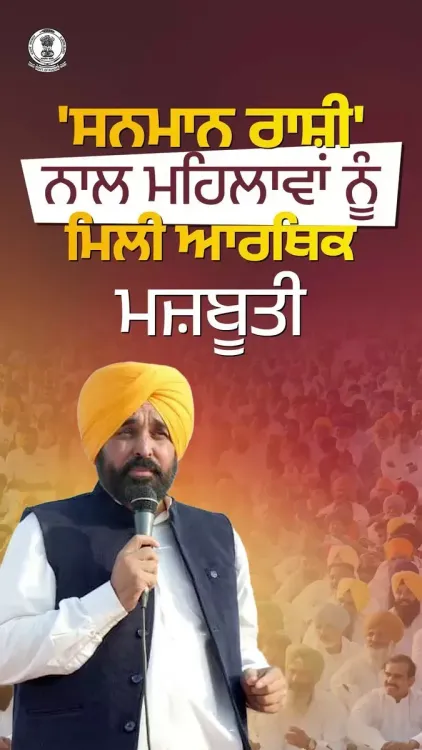
Chief Minister Bhagwant Singh Mann attended a lok milni in village Sabhran, Tarn Taran, on 17 November 2026, where he highlighted the Mawan-Dhiyan Satkar Yojana's sanman rashi as a tool for strengthening women's economic position in Punjab.
Key Takeaways
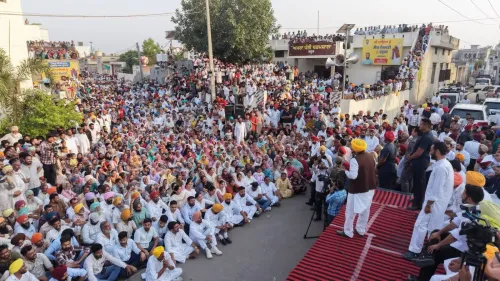
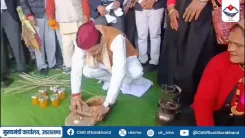
CM Bhagwant Singh Mann attended a lok milni at the old grain market of village Sabhran, Tarn Taran on 17 November 2026 .
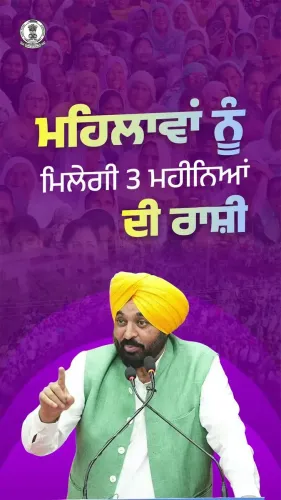
He specifically highlighted the Mawan-Dhiyan Satkar Yojana and said the sanman rashi (monthly financial grant) has economically empowered women beneficiaries.
The scheme is part of the AAP government's post-2022 direct-benefit transfer agenda targeting women in Punjab.
The lok milni format enables the Chief Minister to engage directly with rural citizens at the village level.
Tarn Taran district, in Punjab's agriculturally significant Majha region, was the venue for this public outreach event.
At a packed public gathering in the old grain market of village Sabhran, Tarn Taran, Chief Minister Bhagwant Singh Mann turned the spotlight squarely on women's economic empowerment — spotlighting the Mawan-Dhiyan Satkar Yojana as a scheme that is quietly but meaningfully changing household finances for Punjab's women.
What CM Mann said at the Sabhran lok milni
Addressing the lok milni (public interaction) programme on Tuesday, 17 November 2026, CM Mann specifically singled out the Mawan-Dhiyan Satkar Yojana and stated that the sanman rashi — the scheme's monthly financial grant — has delivered tangible economic strength to women beneficiaries. The remark was more than a ceremonial plug: it positioned the scheme as a centrepiece of the AAP government's direct-benefit promise to rural Punjab.
The Mawan-Dhiyan Satkar Yojana and Punjab's cash-transfer push
The Mawan-Dhiyan Satkar Yojana — which translates to 'Respect for Mothers and Daughters Scheme' — forms part of a broader package of direct cash-transfer programmes for women that the Aam Aadmi Party government rolled out after its landslide win in the March 2022 Punjab assembly elections. Rather than delivering in-kind goods, these schemes route money directly to eligible women, giving families financial flexibility at the household level.
The model mirrors direct-benefit transfer approaches adopted in other Indian states, but Punjab has pursued it as a signature element of Chief Minister Mann's welfare agenda. Rural women and their families are the primary stakeholders, and the lok milni format — where the CM meets citizens directly at a local venue — reinforces that messaging at the grassroots level.
Why Tarn Taran, and why the grain-market setting matters
Tarn Taran district sits in the heart of the Majha region of Punjab, one of the state's agriculturally significant belts. Holding the lok milni at the purani daana mandi (old grain market) of Sabhran is deliberate symbolism: a space historically defined by economic exchange, now repurposed for a conversation about household financial empowerment. The setting underscores the government's intent to carry welfare messaging directly to village-level audiences rather than urban centres alone.
Point of View
CM Mann is weaving the scheme into the AAP government's core electoral identity — one built on direct cash transfers over intermediary delivery. Holding this event in rural Tarn Taran signals an effort to consolidate rural women voters ahead of future electoral cycles. The direct-benefit model, while popular with beneficiaries, will face scrutiny as Punjab's fiscal position tightens and demands grow for official impact assessments on actual beneficiary uptake and coverage.
NationPress
17 Nov 2026
Frequently Asked Questions
What is the Mawan-Dhiyan Satkar Yojana in Punjab?
The Mawan-Dhiyan Satkar Yojana is a Punjab government welfare scheme that provides a monthly financial grant — called sanman rashi — to eligible women, aimed at strengthening their economic independence.
What is sanman rashi under the Mawan-Dhiyan Satkar Yojana?
Sanman rashi is the monthly cash assistance disbursed to women beneficiaries under the Mawan-Dhiyan Satkar Yojana, intended as direct financial support for households.
Where did CM Bhagwant Mann hold the lok milni on 17 November 2026?
CM Bhagwant Singh Mann held the lok milni at the old grain market (purani daana mandi) of village Sabhran in Tarn Taran district, Punjab.
What is a lok milni programme in Punjab?
A lok milni is a public interaction programme where the Chief Minister or government officials meet directly with ordinary citizens, usually at a local or village-level venue, to hear grievances and announce welfare measures.
Which party runs the Punjab government and what is its welfare approach?
The Aam Aadmi Party, led by Chief Minister Bhagwant Singh Mann since March 2022, runs the Punjab government and has focused on direct cash-transfer schemes for women and other groups as a core part of its social welfare agenda.