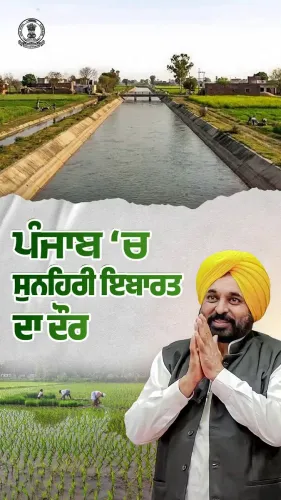
Punjab CM Bhagwant Mann unveils farm, fisheries, horticulture decisions
Synopsis
The Chief Minister's Office of Punjab shared a media briefing by CM Bhagwant Mann on 3 June 2026, in which he detailed fresh state decisions on agriculture, fisheries and horticulture. The announcements extend the AAP government's push to diversify Punjab's farm economy beyond the wheat-paddy cycle, with specifics to follow in departmental orders.
Key Takeaways
CMO Punjab posted a media briefing by CM Bhagwant Mann on 3 June 2026.
The briefing detailed new decisions on agriculture, fisheries and horticulture.
Specific outlays, beneficiaries and timelines were not disclosed in the post.
The announcements align with the AAP government's stated diversification agenda since March 2022.
Formal notifications from the Agriculture, Fisheries and Horticulture departments are expected to follow.
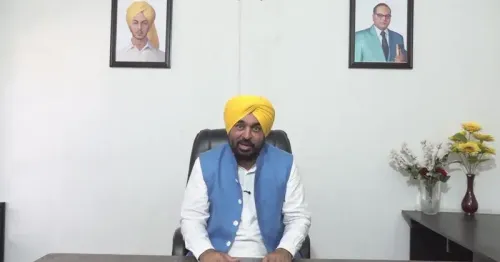
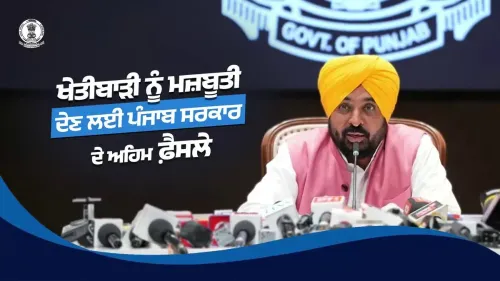
The Chief Minister's Office of Punjab on 3 June 2026 shared a media briefing by Chief Minister Bhagwant Mann in which he detailed a fresh set of decisions taken by the state government covering agriculture, fisheries and horticulture. The interaction, posted from the official handle of the CMO, framed the announcements as part of an ongoing push to broaden the base of Punjab's rural economy.
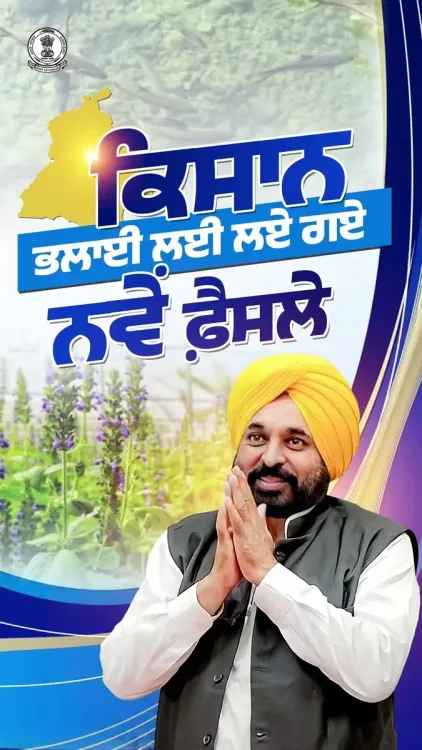
In the post, the CMO stated in Punjabi that 'ਪੰਜਾਬ ਦੇ ਮੁੱਖ ਮੰਤਰੀ ਵੱਲੋਂ ਮੀਡੀਆ ਨਾਲ ਗੱਲਬਾਤ ਕਰਦੇ ਹੋਏ, ਸੂਬੇ ਵਿੱਚ ਖੇਤੀਬਾੜੀ, ਮੱਛੀ ਪਾਲਣ ਅਤੇ ਬਾਗਬਾਨੀ ਸੰਬੰਧਿਤ ਲਏ ਗਏ ਨਵੇਂ ਫ਼ੈਸਲਿਆਂ ਦਾ ਵੇਰਵਾ ਦਿੱਤਾ ਗਿਆ' — translating to: 'The Chief Minister of Punjab, while interacting with the media, gave details of the new decisions taken in the state on agriculture, fisheries and horticulture.' The message was accompanied by a video of the briefing and tagged with #CMOPunjab.
Context
Bhagwant Mann has led the Punjab government since March 2022, after the Aam Aadmi Party swept the state assembly elections. Agriculture and allied sectors have remained a recurring theme of his cabinet's public messaging, given the centrality of the farm economy to Punjab's livelihoods and politics.
Briefings of this nature, routed through the CMO's official channel, typically follow cabinet or departmental meetings and serve as the first public communication of decisions before formal government orders are issued.
Policy backdrop
Punjab's agrarian landscape continues to be dominated by the wheat-paddy cropping cycle, a pattern that has driven concerns over groundwater depletion, stubble burning and soil fatigue. Successive state administrations have flagged the need to nudge farmers toward less water-intensive alternatives.
Promoting horticulture — fruits, vegetables and floriculture — and expanding inland fisheries have been part of this diversification agenda for over a decade. After taking office in 2022, the current government signalled it would build on these efforts, framing diversification as both an environmental and an income-enhancement strategy for cultivators.
Stakeholders and impact
The decisions, as flagged by the CMO, touch three constituencies directly: farmers across Punjab's grain belt, fisheries cooperatives operating in districts such as Sri Muktsar Sahib, Fazilka and Mansa, and horticulture growers in the Kandi belt and sub-mountainous zones.
For farmers, any structural shift away from paddy hinges on price assurance, market linkages and credit support. Fisheries operators have long sought subsidies on pond construction, seed and feed, while horticulture growers typically look for cold-chain investment and procurement guarantees. The post does not specify which of these elements the new decisions cover.
The precise contours of the announcements — including outlays, eligibility and implementation timelines — were not detailed in the post itself and will be clearer once departmental notifications follow.
What's next
The decisions are expected to be formalised through government orders from the departments of Agriculture and Farmers' Welfare, Fisheries and Horticulture in the coming days. District-level rollout plans and any budgetary allocations would typically be tracked through subsequent CMO communications or the next state budget cycle.
For a state grappling with the long-term sustainability of its farm model, the test of these measures will lie less in their announcement and more in the speed with which they translate into on-ground uptake by farmers, fisheries cooperatives and orchardists.
Point of View
Fisheries and horticulture in a single briefing reinforces the Punjab government's continuing pitch that diversification is a policy priority rather than a one-off scheme. It also reflects a familiar political calculus: in a state where farm distress and groundwater stress dominate public debate, headline announcements on allied sectors offer the administration a way to signal action without immediately disrupting the politically sensitive paddy economy. The real test will be whether the follow-through — funding, procurement and extension support — matches the messaging.
NationPress
20 Sept 2026
Frequently Asked Questions
What did Punjab CM Bhagwant Mann announce on 3 June 2026?
He briefed the media on new state decisions related to agriculture, fisheries and horticulture, as shared by the CMO Punjab handle. Specific details of the decisions were not spelt out in the post itself.
Why is Punjab pushing crop diversification?
Punjab's heavy reliance on the wheat-paddy cycle has led to falling groundwater levels, soil degradation and concerns over long-term sustainability. Diversifying into horticulture, dairy and fisheries is seen as a way to reduce these stresses and broaden farm incomes.
Who is Bhagwant Mann?
Bhagwant Mann is the Chief Minister of Punjab, in office since March 2022, leading a government formed by the Aam Aadmi Party after it won the state assembly elections that year.
How will the new fisheries and horticulture decisions be implemented?
Implementation will typically flow through formal government orders issued by the Fisheries, Horticulture and Agriculture departments, followed by district-level rollout. Budgetary support, if any, would be reflected in subsequent state budget cycles.
Which districts in Punjab are key for fisheries and horticulture?
Inland fisheries activity is concentrated in districts such as Sri Muktsar Sahib, Fazilka and Mansa, while horticulture has stronger presence in the Kandi belt and sub-mountainous regions of the state.