Punjab CM Office Pushes Horticulture to Diversify Farm Income
Synopsis
The Chief Minister's Office of Punjab announced a large-scale push to promote horticulture alongside traditional farming, offering training camps, awareness programmes, and expert advisory sessions to help farmers modernise and increase income.
Key Takeaways
The Punjab government is promoting horticulture farming on a large scale alongside conventional wheat-paddy agriculture.
The state is providing farmers with training camps, awareness programmes, and expert consultations focused on horticulture.
The goal is to enable farmers to adopt modern cultivation methods and maximise their earnings.
Punjab has pursued crop diversification since the 2010s to address groundwater depletion and stagnating farm incomes.
The initiative aligns with national-level horticulture missions supporting fruit, vegetable, and floriculture expansion.
Rollout details — including district coverage, camp numbers, and budgetary support — are yet to be publicly disclosed.
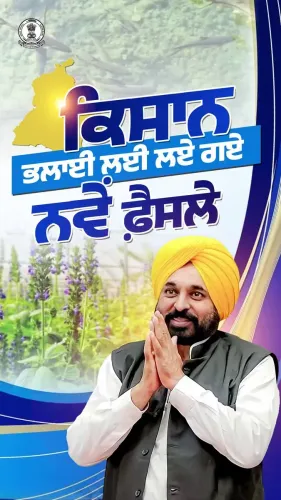
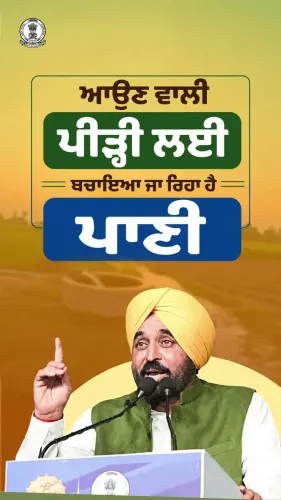
The Chief Minister's Office of Punjab announced on Wednesday, 27 May 2026 that the state government is actively promoting horticulture farming alongside traditional agriculture, and is running training camps, awareness programmes, and expert advisory sessions to help farmers adopt modern cultivation methods for higher returns.
Context
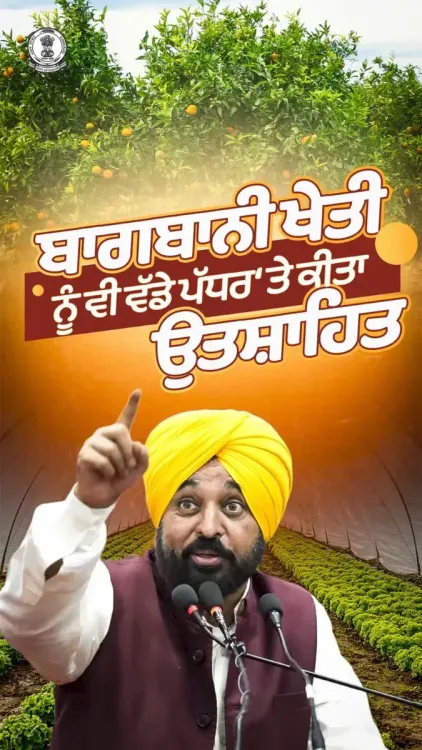
The post, shared in Punjabi, states: 'ਪੰਜਾਬ ਸਰਕਾਰ ਵੱਲੋਂ ਸੂਬੇ ਵਿੱਚ ਰਵਾਇਤੀ ਖੇਤੀ ਦੇ ਨਾਲ-ਨਾਲ ਬਾਗਬਾਨੀ ਖੇਤੀ ਨੂੰ ਵੀ ਵੱਡੇ ਪੱਧਰ 'ਤੇ ਉਤਸ਼ਾਹਿਤ ਕੀਤਾ ਜਾ ਰਿਹਾ ਹੈ' ('The Punjab government is promoting horticulture farming on a large scale alongside traditional farming in the state'). The government says it is providing farmers with horticulture-related training camps, awareness programmes, and expert consultations so they can 'farm using modern methods and earn maximum benefit.'
Punjab's agricultural economy has long been anchored in the wheat-paddy cycle, making it one of India's most productive food-grain states. However, this monoculture model has come under growing strain from declining groundwater tables, soil degradation, and stagnating farm incomes — pressures that have made crop diversification a policy priority for successive state governments.
Policy Backdrop
Punjab has pursued crop diversification strategies since at least the 2010s, with horticulture consistently identified as a high-value alternative capable of raising farmer incomes while reducing dependence on water-intensive paddy cultivation. Fruit, vegetable, and floriculture expansion have been key focus areas, supported by both state budgetary allocations and central government missions targeting the horticulture sector.
Training camps and expert advisory services have been a recurring feature of these efforts, aimed at bridging the knowledge gap between traditional farming practices and modern horticultural techniques. The current push appears to continue and scale up that established approach, with the state signalling a large-scale rollout of farmer outreach.
Stakeholders and Impact
Punjab's farming community — which spans millions of small, marginal, and medium landholders — stands as the primary beneficiary of the initiative. For farmers locked into low-margin grain cultivation, access to expert guidance and modern horticultural practices can open pathways to higher-value crops such as fruits, vegetables, herbs, and flowers that command better market prices.
The broader ecological dimension is equally significant. A meaningful shift toward horticulture would reduce the state's groundwater extraction burden, which has reached critical levels in several districts due to decades of paddy irrigation. Agri-input suppliers, cold-chain logistics operators, and rural market networks are also likely to see increased activity if farmer uptake grows.
What's Next
Observers will watch for granular rollout details — including the number of training camps scheduled, districts covered, and farmer participation targets — as well as any dedicated budgetary provisions for horticulture inputs, subsidies, or market-linkage infrastructure in the state's upcoming financial planning cycle. The scale and consistency of expert advisory deployment will be a key indicator of how deep the programme reaches beyond headline announcements.
If the initiative gains traction, Punjab could position itself as a model for other grain-belt states grappling with similar ecological and income pressures, reinforcing the national conversation around sustainable, diversified agriculture.
Point of View
Visible action on income diversification offers the ruling dispensation a tangible narrative. Whether the programme translates into measurable shifts in cropping patterns will depend entirely on implementation depth and sustained budgetary commitment beyond the announcement cycle.
NationPress
10 Oct 2026
Frequently Asked Questions
Why is Punjab promoting horticulture farming?
Punjab is promoting horticulture to diversify farmer incomes beyond the traditional wheat-paddy cycle, reduce groundwater depletion caused by water-intensive paddy cultivation, and help farmers adopt higher-value crops through modern methods.
What support is the Punjab government giving farmers for horticulture?
The Punjab government is providing horticulture-related training camps, awareness programmes, and expert advisory consultations to help farmers learn modern cultivation techniques and maximise their earnings.
What is crop diversification in Punjab?
Crop diversification in Punjab refers to shifting farming away from the dominant wheat-paddy monoculture toward a wider range of crops — including fruits, vegetables, herbs, and flowers — to improve farmer incomes and reduce ecological stress.
How does horticulture help Punjab farmers earn more?
Horticultural crops such as fruits, vegetables, and flowers typically command higher market prices than staple grains, allowing farmers who successfully transition to earn greater returns per unit of land and water used.
What is the Punjab government's agriculture policy in 2026?
In 2026, the Punjab government is actively scaling up horticulture promotion alongside traditional farming, running training and awareness initiatives to modernise agricultural practices and support farmer livelihoods across the state.