CM Bhagwant Mann Reviews Paddy Procurement at Rajpura Mandi
Synopsis
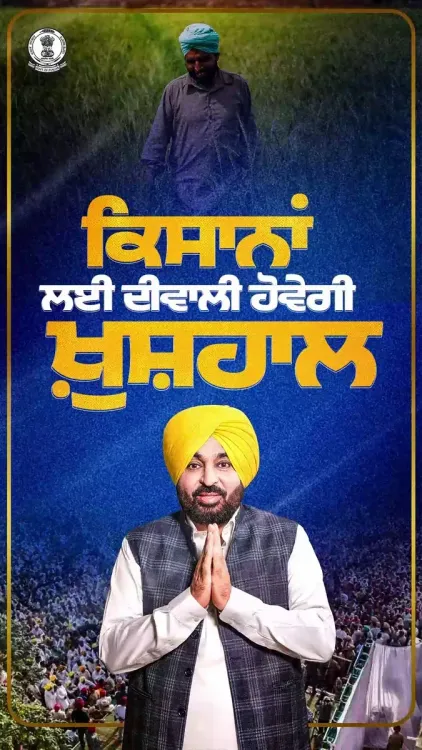
Chief Minister Bhagwant Mann visited Rajpura's grain market on 25 October 2026 to review kharif paddy procurement, expressed satisfaction with smooth buying and timely farmer payments, and declared this Diwali would bring prosperity to farmers, commission agents, sheller owners, and transporters across Punjab.
Key Takeaways
CM Bhagwant Mann personally visited Rajpura anaj mandi in Patiala district on 25 October 2026 to inspect paddy procurement arrangements.
He expressed satisfaction over smooth purchase operations and timely payments to farmers at mandis across Punjab.
Mann pledged that this Diwali would be one of 'progress and prosperity' for farmers, commission agents, rice sheller owners, and transporters .
Punjab has operated APMC mandi-based paddy procurement since the Green Revolution era of the 1960s, making it one of India's largest contributors to the central foodgrain pool.
The MSP mechanism remains the primary income guarantee for paddy growers, with timely payment critical ahead of the festival season.
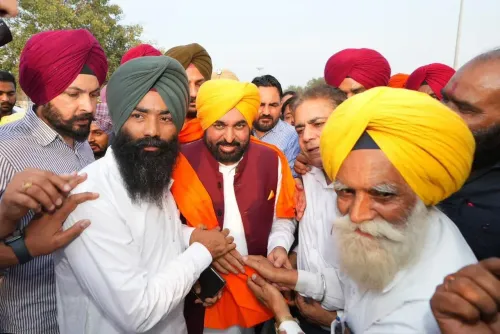
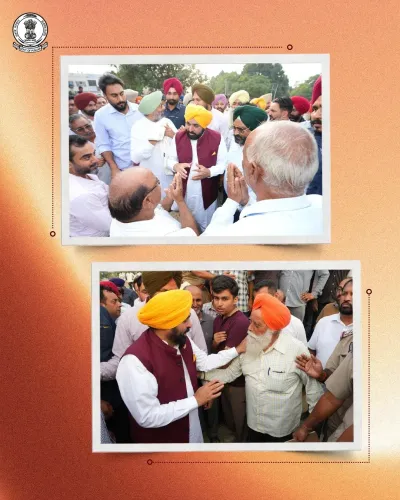
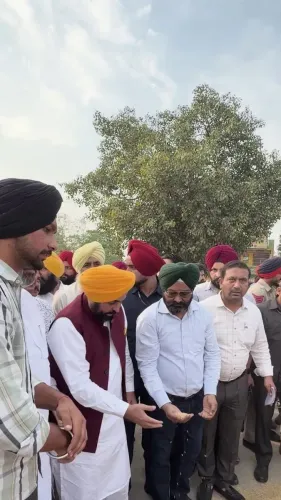
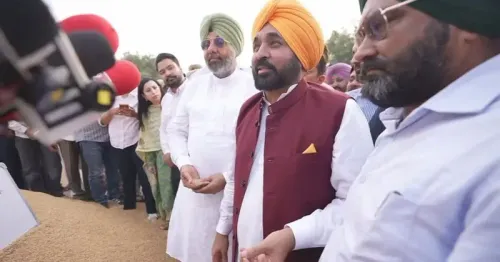
With Diwali days away and grain trucks lining the yards of Rajpura's anaj mandi, Chief Minister Bhagwant Mann walked the procurement floor on Saturday, 25 October 2026 to see — firsthand — whether the state's promise of smooth kharif buying and on-time farmer payments was actually holding up.
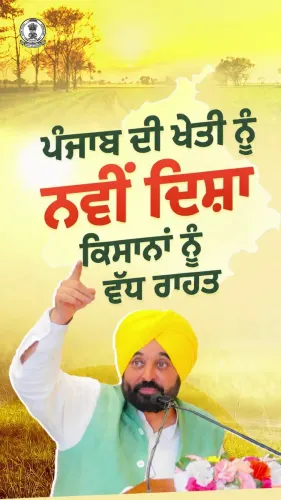
The Chief Minister's Office of Punjab confirmed the visit, posting that Mann reviewed procurement arrangements at the Rajpura grain market in Patiala district, one of the state's busiest paddy arrival centres. Expressing satisfaction over the smooth purchase operations and timely payments being made to farmers, Mann said this year's Diwali would be one of 'progress and prosperity' — ਤਰੱਕੀ ਤੇ ਖ਼ੁਸ਼ਹਾਲੀ — for the state's farmers, commission agents (ਆੜ੍ਹਤੀਏ), rice sheller owners, and transporters.
Why Rajpura, and why now
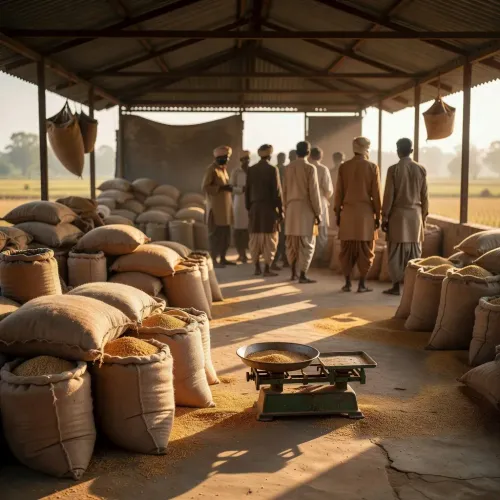
Rajpura sits at the heart of Punjab's paddy belt, making its mandi a natural barometer of how the season is going statewide. Each October, regulated APMC mandis across Punjab swing into peak activity as farmers arrive with the kharif harvest, and the window between grain arrival and payment to the grower is politically and practically critical.
Punjab has been one of India's largest contributors to the central foodgrain pool since the Green Revolution era of the 1960s, and the Minimum Support Price (MSP) procurement mechanism — run through state agencies — remains the primary income guarantee for lakhs of paddy growers. Delayed payment during the peak season can lock farmers out of capital precisely when they need it most.
The four pillars Mann named
By publicly naming farmers, commission agents, sheller owners, and transporters together, Mann signalled awareness that paddy procurement is an ecosystem, not just a farmer-government transaction. Commission agents bridge the farmer and the buying agency; sheller owners convert paddy to rice for the central pool; transporters move the grain from mandi to mill and onwards. A delay or bottleneck at any node ripples across the whole chain — especially before a major festival when liquidity matters most.
On-the-ground reviews of mandi logistics and payment timelines by the state's top executive are a recurring feature of Punjab's procurement calendar, designed to signal responsiveness to agrarian concerns and to pre-empt supply-chain friction at peak arrival periods.
With Diwali falling in the heart of the procurement window, the message from Rajpura is clear: the government wants the celebration to land in farmers' accounts — not just on their doorsteps.
Point of View
Not behind a podium. By bundling farmers, arhtias, sheller owners, and transporters into a single Diwali prosperity frame, he is performing supply-chain solidarity rather than treating procurement as a technocratic exercise. The visit comes at a moment when Punjab's paddy farmers remain politically sensitive constituents, and the commitment to on-time payment directly before a major festival is designed to convert procurement efficiency into electoral goodwill. Whether the payment pipeline actually clears before Diwali will be the real test — and the one farmers will remember.
NationPress
24 Oct 2026
Frequently Asked Questions
Why did CM Bhagwant Mann visit Rajpura mandi?
CM Bhagwant Mann visited Rajpura's anaj mandi on 25 October 2026 to personally review the arrangements for kharif paddy procurement, inspect logistics, and assess whether farmers were receiving timely payments under the MSP mechanism.
What is paddy MSP procurement in Punjab?
Under the Minimum Support Price (MSP) scheme, state-designated agencies purchase paddy from farmers at a government-fixed rate through regulated APMC mandis . Punjab has operated this system since the Green Revolution era and is one of India's largest contributors to the central foodgrain pool.
Who benefits from Punjab's mandi paddy procurement besides farmers?
The procurement chain also benefits commission agents (arhtias) , who facilitate transactions; rice sheller owners , who process paddy into rice for the central pool; and transporters , who move grain from mandis to mills.
Where is Rajpura and why is its mandi important?
Rajpura is a town in Patiala district, Punjab, home to one of the state's major grain markets. Its mandi handles large paddy arrivals during the kharif season, making it a key indicator of how statewide procurement is performing.
What did Bhagwant Mann say about Diwali for farmers?
Mann stated that this year's Diwali would be one of 'progress and prosperity' for Punjab's farmers, commission agents, rice sheller owners, and transporters, linking timely procurement payments to festival-season financial wellbeing.