Marathi mandatory for Maharashtra commercial drivers from Aug 16, 2026
Synopsis
Maharashtra has made Marathi a legal requirement for commercial passenger vehicle drivers — effective 16 August 2026 — through formal amendments to four Motor Vehicle Rules. With thousands of teachers already deployed at RTOs and a curriculum built around emergency phrases and commuter etiquette rather than grammar, the state is betting it can retrain a vast, migrant-heavy driver workforce in weeks.
Key Takeaways
Maharashtra has made practical Marathi language knowledge mandatory for all commercial passenger vehicle drivers, effective 16 August 2026 .
The mandate follows amendments to Rules 4, 22, 78, and 85 of the Maharashtra Motor Vehicle Rules, 1989 , notified on 8 July 2026 .
Transport Minister Pratap Sarnaik announced the decision in both houses of the state legislature on Wednesday.
Training is being delivered through RTOs and specialised centres, with flexible hours for drivers; materials include visual booklets and audio-video modules.
The curriculum covers transit vocabulary, emergency phrases, fare calculation, and assistance for women, senior citizens, and differently-abled passengers.
The Konkan Marathi Sahitya Parishad , Mumbai Marathi Sahitya Sangh , and thousands of language teachers have been deployed statewide.
The Maharashtra government has made working knowledge of the Marathi language compulsory for all commercial passenger vehicle drivers across the state, with the mandate taking effect on 16 August 2026. The policy, formalised through amendments to Rules 4, 22, 78, and 85 of the Maharashtra Motor Vehicle Rules, 1989, was notified on 8 July 2026.
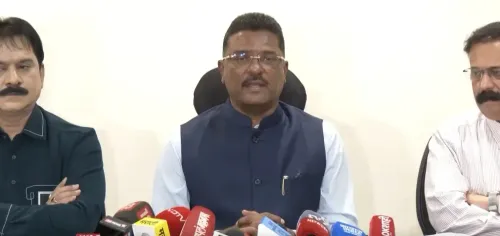
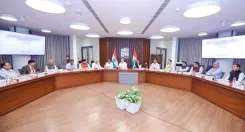
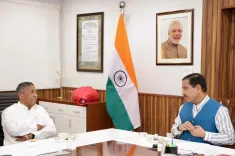
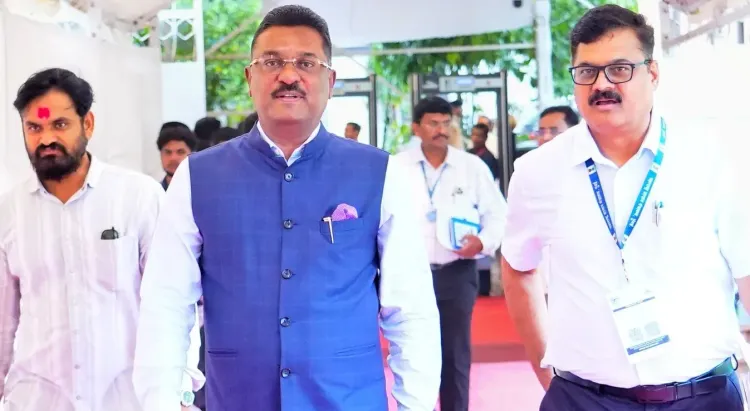
Transport Minister Pratap Sarnaik announced the decision in both houses of the state legislature on Wednesday, framing it as a public safety measure rather than a restriction on migrant workers.
What the Policy Mandates
Under the amended rules, commercial passenger vehicle drivers must demonstrate practical communicative proficiency in Marathi — not academic mastery of grammar. The curriculum, developed in coordination with the State Marathi Language Department, focuses on transit vocabulary, fare calculation, route directions, and emergency phrases.
Targeted modules have been designed to help drivers assist women, senior citizens, and differently-abled passengers. Quick-response language for breakdowns, medical emergencies, and accidents is also part of the training.
Training Infrastructure Already in Place
The Transport Department has built a statewide training network over the past several months in anticipation of the rollout. A multi-departmental alliance — involving Industries Minister Uday Samant, the Konkan Marathi Sahitya Parishad, and the Mumbai Marathi Sahitya Sangh — has deployed thousands of language teachers across the state.
Sessions are being conducted directly from Regional Transport Offices (RTOs) and specialised centres, with flexible scheduling to accommodate drivers' irregular work hours. Training materials include visual booklets, conversational audio and video modules, and lightweight kits designed for ease of use.
What the Government Said
Sarnaik clarified that the directive is not directed against workers from other states. 'Maharashtra has always opened its arms to people seeking employment from every corner of India,' he said. 'However, having sufficient practical knowledge of Marathi to communicate with residents is a social responsibility.'
He added that clear communication between drivers and passengers reduces misunderstandings, enables faster assistance during emergencies, and strengthens public confidence in the transit system. Sarnaik appealed to commercial drivers, fleet owners, transport unions, and citizens to cooperate with the new regulations, promising full infrastructural support throughout the transition.
Broader Context
The move comes amid a broader push by the Maharashtra Mahayuti government to assert regional identity while maintaining an inclusive posture toward migrant labour — a politically sensitive balance in a state where millions of workers from Uttar Pradesh, Bihar, Rajasthan, and other states are employed in the transport sector. Critics may scrutinise enforcement mechanisms and whether drivers who fail the language assessment face licence suspension or other penalties — details the government has not yet publicly specified.
With the 16 August 2026 deadline approaching, the administration's ability to train a large, dispersed driver workforce in under six weeks will be the immediate test of the policy's credibility.
Point of View
Rather than a nativist one, is a careful hedge; but enforcement details remain conspicuously absent. What happens to a driver who cannot pass the language check by 16 August? Until that question is answered, the mandate risks being a headline without teeth — or, worse, a tool for selective enforcement that could fuel the very tensions it claims to defuse.
NationPress
8 Jul 2026
Frequently Asked Questions
What is the new Marathi language rule for commercial drivers in Maharashtra?
The Maharashtra government has made practical knowledge of Marathi mandatory for all commercial passenger vehicle drivers across the state, effective 16 August 2026. The requirement follows formal amendments to Rules 4, 22, 78, and 85 of the Maharashtra Motor Vehicle Rules, 1989.
When does the Marathi language mandate for drivers come into effect?
The mandate comes into effect on 16 August 2026. The official notification was issued on 8 July 2026, giving drivers and transport operators roughly six weeks to comply.
Who announced the Marathi language policy for drivers, and why?
Transport Minister Pratap Sarnaik announced the policy in both houses of the Maharashtra state legislature on Wednesday. He stated the directive is aimed at improving passenger safety, reducing miscommunication, and enabling faster emergency response — not at excluding non-local workers.
How is the Maharashtra government training drivers in Marathi?
Training is being delivered through Regional Transport Offices (RTOs) and specialised centres, with flexible scheduling to suit drivers' irregular hours. Materials include visual booklets, conversational audio and video modules, and lightweight training kits. Thousands of language teachers have been deployed through a partnership involving the State Marathi Language Department, Konkan Marathi Sahitya Parishad, and Mumbai Marathi Sahitya Sangh.
Does the Marathi requirement apply to drivers from other states working in Maharashtra?
Yes, the mandate applies to all commercial passenger vehicle drivers operating in Maharashtra, regardless of their state of origin. Minister Sarnaik clarified that the rule is not directed against migrant workers, calling Marathi proficiency a 'social responsibility' for anyone working in the state.