Mayawati demands Bharat Ratna for Kanshi Ram on Mahaparinirvan Diwas
Synopsis
On Kanshi Ram's death anniversary, Mayawati renewed her Bharat Ratna demand for the BSP founder, declared the Bahujan Samaj her 'true family,' and called on party workers to gear up for Assembly elections in UP, Uttarakhand, and Punjab — framing electoral victory as the only fitting tribute to Kanshi Ram's legacy.
Key Takeaways
Mayawati renewed her demand for the Bharat Ratna for Kanshi Ram on his Mahaparinirvan Diwas , 9 October 2026 , at Lucknow .
She described the Bahujan Samaj as her 'true family' and reaffirmed her commitment against dynastic politics within the BSP .
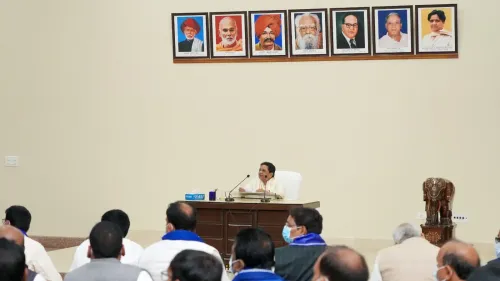
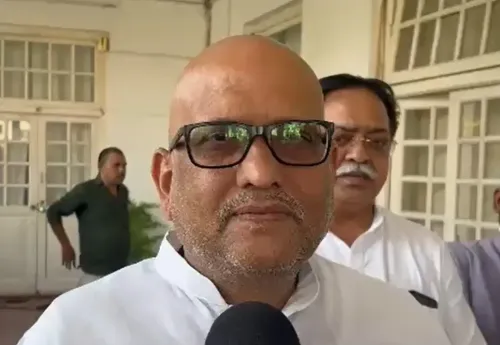
BSP National Coordinator Akash Anand and other senior office-bearers were present at the 9 Mall Avenue event.
Mayawati urged full poll mobilisation ahead of Assembly elections in Uttar Pradesh , Uttarakhand , and Punjab .
She criticised governments over poverty, inflation, unemployment , and called for concrete action on education, healthcare, and employment.
She drew a parallel with Dr Bhimrao Ambedkar 's Bharat Ratna to argue Kanshi Ram deserves equivalent national recognition.
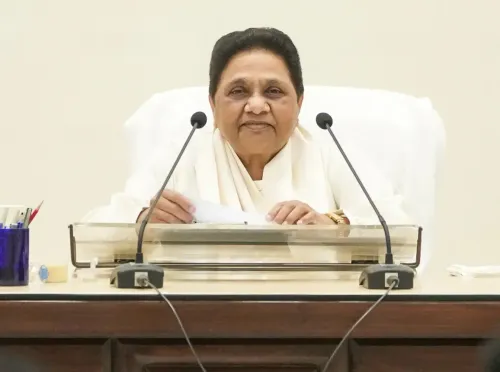
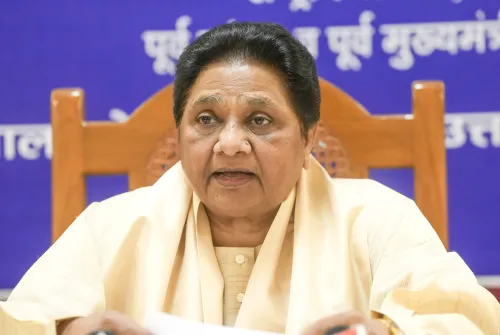
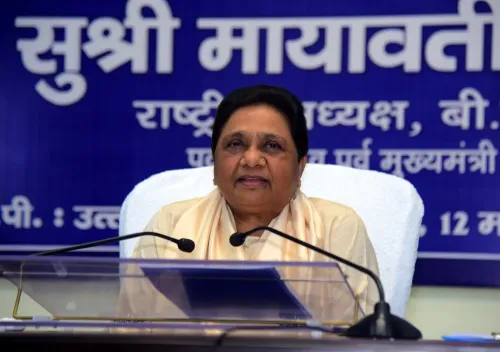
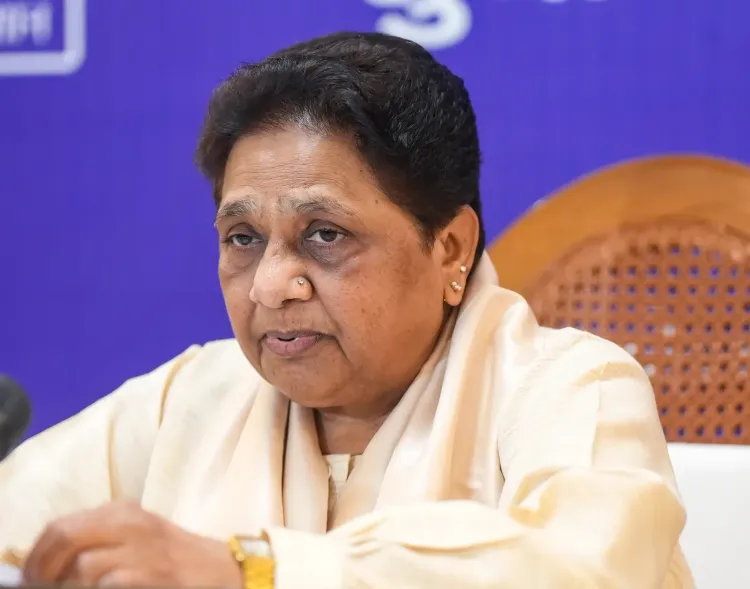
Bahujan Samaj Party (BSP) National President Mayawati on 9 October 2026 renewed her demand for the Bharat Ratna for party founder Kanshi Ram, speaking at a memorial event on his Mahaparinirvan Diwas (death anniversary) at the BSP's central camp office at 9 Mall Avenue, Lucknow. Describing the Bahujan Samaj as her 'true family,' she reaffirmed her resolve to steer the party away from dynastic politics and toward what she called the 'master key' to political power.
Tributes and Pledges in Lucknow
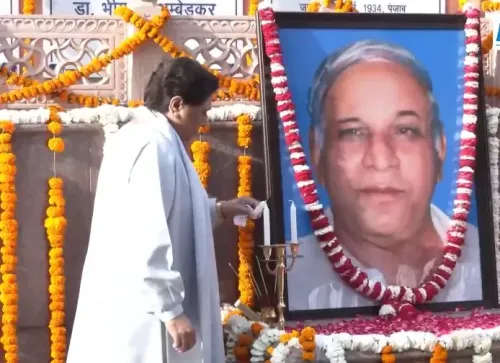
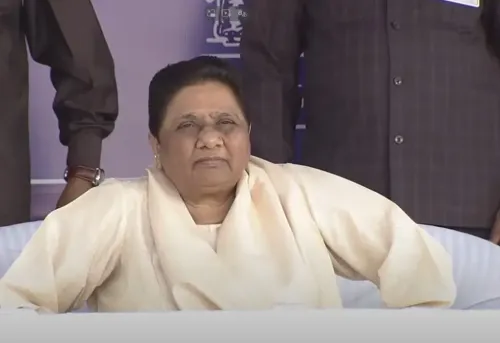
Mayawati paid floral tributes to Kanshi Ram's statue at the event, which was attended by several senior party office-bearers, including BSP National Coordinator Akash Anand. She pledged to carry forward Kanshi Ram's ideas and mission, saying his life's work was dedicated to advancing the legacy of Babasaheb Dr Bhimrao Ambedkar — specifically the caravan of self-respect and dignity.
She stated that Kanshi Ram had struggled throughout his life to transform the Bahujan Samaj 'from an exploited class into a ruling class' and to realise what she described as the constitutional 'Bahujan Era' on the ground. She added that she would never allow the trust he placed in her — by declaring her his successor — to be compromised.
The Bharat Ratna Demand
Mayawati reiterated that the Central government should confer the country's highest civilian honour upon Kanshi Ram in recognition of his 'historic contribution to the movement for social change' and out of respect for the sentiments of the Bahujan Samaj. Drawing a parallel, she cited the conferment of the Bharat Ratna upon Dr Bhimrao Ambedkar, arguing that Kanshi Ram's contributions to the same movement deserved equivalent national recognition.
Notably, this demand has been a recurring feature of BSP platforms, reflecting the party's broader effort to secure mainstream institutional acknowledgement for its foundational figures.
Poll Mobilisation Call Ahead of Assembly Elections
With Assembly elections in Uttar Pradesh, Uttarakhand, and Punjab on the horizon, Mayawati urged party office-bearers and workers to dedicate themselves 'fully, in body, mind, and resources' to the electoral cause. She said taking Kanshi Ram's mission to its 'ultimate goal' would be the truest tribute to him.
She also emphasised that the Bahujan Samaj would attain power not through anyone's 'mercy or benevolence' but through the strength of voting rights guaranteed by the Constitution, making the safeguarding of those rights paramount.
Governance Critique and Public Welfare Agenda
Mayawati trained her sights on the ruling establishment, arguing that a 'feel-good' atmosphere created for a 'handful of people' cannot make the entire nation prosperous while poverty, inflation, unemployment, illiteracy, and backwardness persist. She called on governments to take 'concrete and sustainable measures' to provide employment and empower citizens.
She identified education, healthcare, roads, and employment as fundamental areas of public welfare, asserting that governments should act on their own responsibilities rather than deferring to the private sector in these domains. She also flagged the growing assertiveness of Gen Z and Gen Alpha on issues of education and employment, urging governments to respond with action rather than claims.
With elections approaching and the BSP seeking to reclaim lost ground, Mayawati's address signals a sharpened dual focus: institutional recognition for the party's ideological pillars and aggressive grassroots mobilisation.
Point of View
However sincere, can substitute for ground-level coalition building. The shout-out to Gen Z and Gen Alpha is a notable tonal shift, suggesting the BSP is aware it must attract younger voters if Kanshi Ram's movement is to remain a living political force rather than a commemorative one.
NationPress
9 Oct 2026
Frequently Asked Questions
Why is Mayawati demanding the Bharat Ratna for Kanshi Ram?
Mayawati argues that Kanshi Ram made a historic contribution to the movement for social change comparable to that of Dr Bhimrao Ambedkar, who received the Bharat Ratna, and that his work deserves equivalent national recognition. She has been making this demand on the BSP founder's death anniversary as part of the party's broader push for institutional acknowledgement of Bahujan icons.
When is Kanshi Ram's Mahaparinirvan Diwas observed?
Kanshi Ram's Mahaparinirvan Diwas, marking his death anniversary, falls on 9 October. The 2026 event was held at the BSP's central camp office at 9 Mall Avenue, Lucknow, where Mayawati paid floral tributes to his statue.
What did Mayawati say about the upcoming Assembly elections?
Mayawati called on BSP office-bearers and workers to dedicate themselves 'fully, in body, mind, and resources' to the upcoming Assembly elections in Uttar Pradesh, Uttarakhand, and Punjab. She framed electoral victory as the truest tribute to Kanshi Ram's legacy and emphasised that the Bahujan Samaj must attain power through constitutional voting rights.
What governance issues did Mayawati raise at the event?
Mayawati criticised persistent problems of poverty, inflation, unemployment, illiteracy, and backwardness, arguing that a 'feel-good' atmosphere for a few cannot substitute for broad-based public welfare. She called on governments to take concrete action on education, healthcare, roads, and employment rather than relying on the private sector.
Who attended the Mahaparinirvan Diwas event in Lucknow?
BSP National Coordinator Akash Anand and several senior party office-bearers were present alongside Mayawati at the event held at the BSP's central camp office at 9 Mall Avenue, Lucknow.