Hornbill Festival 2026: MCI mock drill at Kisama ahead of December 1 start
Synopsis
With hundreds of thousands of visitors expected at Kisama from 1 December, Nagaland authorities and the Army's Spear Corps staged a Mass Casualty Incident drill to stress-test emergency response at the 27th Hornbill Festival — a signal that crowd-safety planning has become as central to the event as its cultural programme.
Key Takeaways
An MCI mock drill was held at Kisama Heritage Village , near Kohima , on 21 November 2026 .
The Army's Spear Corps , DDMA , NSDMA , NDRF , and SDRF jointly participated in the exercise.
The drill covered Basic Life Support (BLS) , casualty evacuation, and activation of the Incident Response System (IRS) .
The 27th Hornbill Festival runs from 1 to 10 December 2026 at Kisama Heritage Village , approximately 12 km south of Kohima .
All 17 recognised Naga tribes participate in the festival, which attracts hundreds of thousands of visitors annually, including foreign tourists.
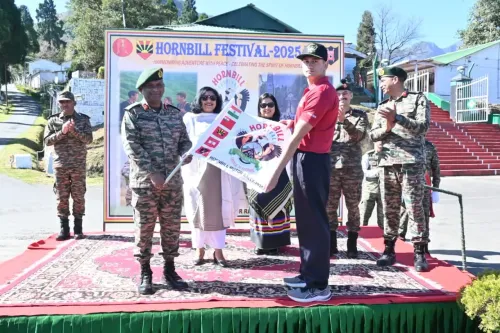
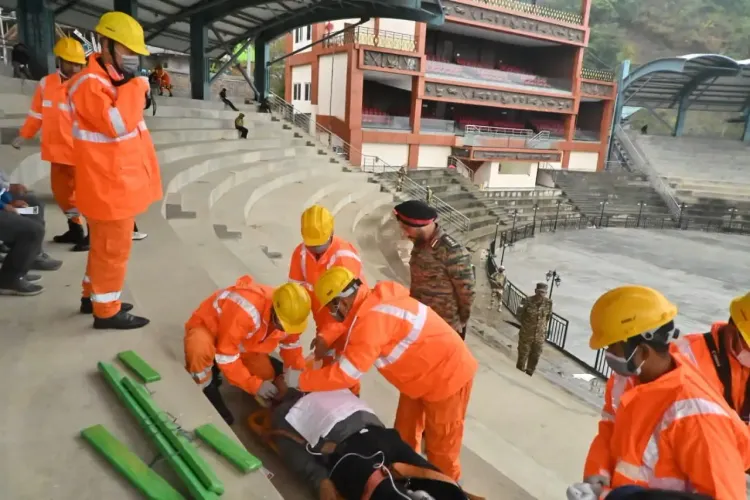
A Mass Casualty Incident (MCI) mock drill was conducted at the Naga Heritage Village in Kisama, near Kohima, on Saturday, 21 November, as part of emergency preparedness measures ahead of the 27th Hornbill Festival, scheduled from 1 December to 10 December 2026. The exercise brought together multiple state and national agencies to test their joint rapid-response capabilities at the high-footfall heritage site.
Agencies Involved in the Drill
Medical teams from a general hospital under the Army's Spear Corps participated alongside the District Disaster Management Authority (DDMA), the Department of Health and Family Welfare, the Nagaland State Disaster Management Authority (NSDMA), the National Disaster Response Force (NDRF), and the State Disaster Response Force (SDRF).
The drill included a lecture on Basic Life Support (BLS) and casualty evacuation protocols for all participants. According to the Spear Corps, the exercise also activated the Incident Response System (IRS), validating the coordinated emergency response framework among state and national bodies.
What the Army Said
'A lecture on Basic Life Support (BLS) and casualty evacuation protocols was conducted for the participants. The exercise, which included the activation of the Incident Response System (IRS), validated the rapid joint emergency response capabilities of state and national agencies,' the Spear Corps said in a statement.
An official involved in the preparations added: 'We are preparing for another edition of the great gathering that showcases the rich heritage and culture of the state. The mock drill was part of the preparations.'
About the Hornbill Festival
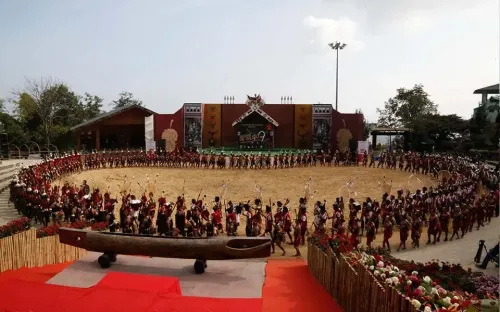
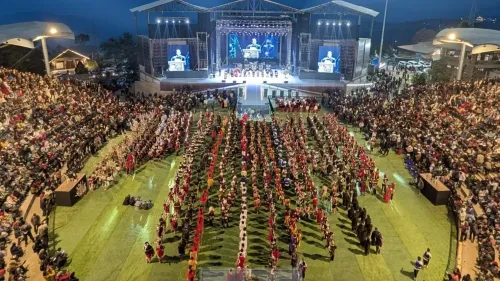
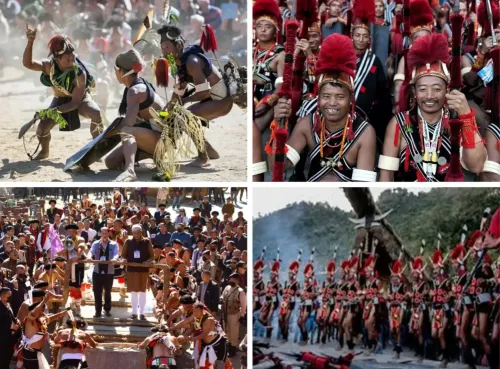
The Hornbill Festival, often described as the 'Festival of Festivals', is an annual celebration held at Kisama Heritage Village, located approximately 12 km south of Kohima. It was launched by the Nagaland government in 2000 to foster inter-tribal interaction and preserve Naga cultural heritage, and is named after the Indian hornbill — a bird of deep significance in Naga folklore.
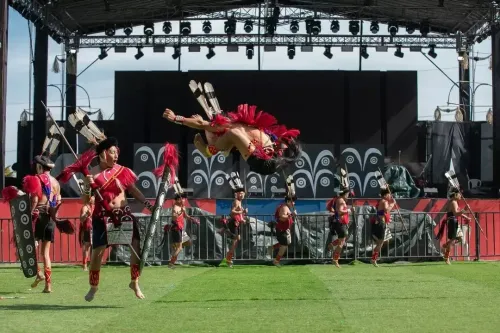
The festival brings together members of 17 recognised tribes — Angami, Ao, Chakhesang, Chang, Kachari, Khiamniungan, Konyak, Kuki, Lotha, Phom, Pochury, Rengma, Sangtam, Sumi, Tikhir, Yimkhiung, and Zeliang — each setting up traditional wooden huts known as Morungs around the main arena. Visitors can sample local cuisine, witness warrior dances, folk songs, indigenous games, Naga wrestling, and chilli-eating contests, among other events.
Scale of Expected Turnout and Logistics
Hundreds of thousands of visitors, including a significant number of foreign tourists, are expected at the 27th edition of the festival. All hotels and guest houses in and around Kohima are reported to be fully booked well in advance. Homestays in villages surrounding Kisama have grown in recent years, providing both accommodation and an additional revenue stream for local communities.
While the Nagaland administration oversees security and overall logistics, the Army provides supplementary support — a practice that has continued across previous editions. The conduct of the MCI drill signals that authorities are treating crowd safety as a priority given the festival's growing international profile.
Point of View
NDRF, SDRF, and state health agencies — reflects how much the Hornbill Festival has grown beyond a regional cultural event into a large-scale public gathering that now demands professional crowd-safety architecture. What is worth noting is that this preparedness infrastructure has evolved quietly in parallel with the festival's commercial and tourism growth; the two are now inseparable. As homestay economies expand around Kisama and international tourist numbers climb, the pressure on emergency services will only intensify. The real question is whether the drill findings are systematically documented and fed back into next year's planning cycle, or whether they remain a one-off compliance exercise.
NationPress
22 Nov 2026
Frequently Asked Questions
What is the Hornbill Festival and when is it held in 2026?
The Hornbill Festival is an annual cultural event held at Kisama Heritage Village, about 12 km south of Kohima in Nagaland. The 27th edition runs from 1 to 10 December 2026, featuring performances, crafts, cuisine, and traditions from 17 recognised Naga tribes.
Why was an MCI mock drill conducted at Kisama?
The Mass Casualty Incident drill was conducted on 21 November 2026 to test joint emergency response capabilities ahead of the Hornbill Festival, which draws hundreds of thousands of visitors. The exercise validated Basic Life Support protocols, casualty evacuation procedures, and the Incident Response System among multiple agencies.
Which agencies participated in the Kisama mock drill?
Medical teams from a general hospital under the Army's Spear Corps participated alongside the District Disaster Management Authority, Department of Health and Family Welfare, Nagaland State Disaster Management Authority, the National Disaster Response Force, and the State Disaster Response Force.
How many tribes participate in the Hornbill Festival?
All 17 officially recognised Naga tribes take part in the Hornbill Festival, each setting up a traditional wooden hut called a Morung around the main arena at Kisama. The tribes include Angami, Ao, Chakhesang, Chang, Konyak, Lotha, Sumi, and ten others.
When did the Hornbill Festival begin?
The Nagaland government launched the Hornbill Festival in 2000 to promote inter-tribal interaction and preserve Naga cultural heritage. It is named after the Indian hornbill, a bird of cultural significance across Naga communities, and has since grown into one of Northeast India's largest tourism events.