UPI MDR charge: Saamana calls 0.4% fee a 'semantic cover-up', warns of consumer burden
Synopsis
Shiv Sena (UBT)'s Saamana has called the government's new 0.4% MDR on UPI transactions above ₹2,000 a 'semantic cover-up' — arguing that merchants will simply pass the cost to consumers, and that India's digital payment rails are being quietly handed to US financial giants. The editorial also alleges the move is part of a broader pattern of concessions to American pressure.
Key Takeaways
Shiv Sena (UBT) attacked the Centre on 19 September 2026 over the introduction of MDR on select UPI transactions.
The party's mouthpiece Saamana called the 0.4% fee on transactions above ₹2,000 a 'semantic cover-up', arguing consumers — not just merchants — will ultimately pay.
The editorial alleged India's digital payment infrastructure is being handed to US firms like Visa and Mastercard .
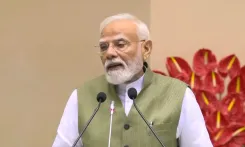
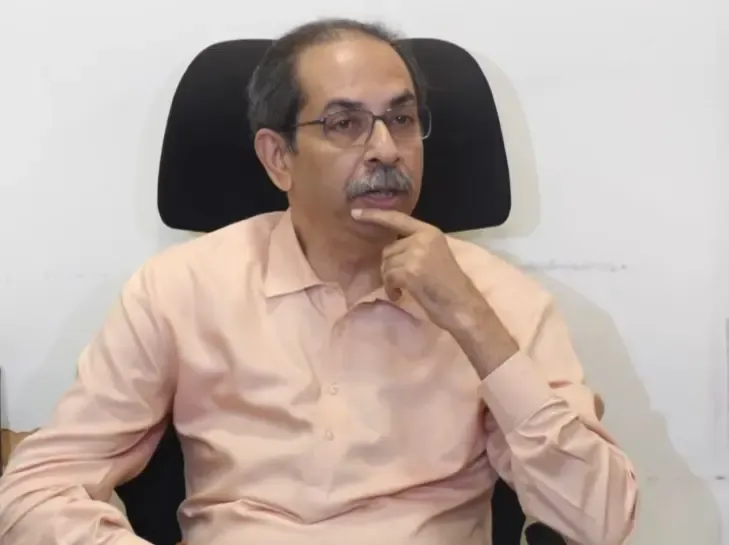
Uddhav Thackeray 's faction linked the policy to a broader pattern of alleged concessions to US pressure under PM Modi .
The MDR on UPI was previously waived in 2020 to encourage digital adoption; its re-introduction has renewed debate over who bears the cost of digital financial infrastructure.
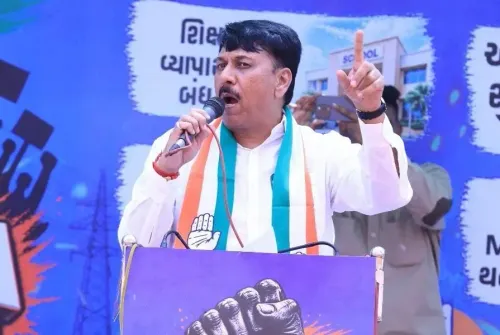
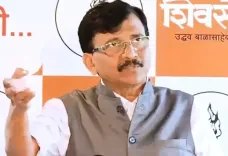
Shiv Sena (UBT) on Saturday, 19 September 2026, launched a pointed attack on the Centre over the introduction of a Merchant Discount Rate (MDR) on select UPI transactions, with the party's mouthpiece Saamana describing the 0.4 per cent levy as a 'semantic cover-up' that will ultimately fall on ordinary consumers rather than merchants.
What the Saamana Editorial Said
The editorial, published by the Uddhav Thackeray-led faction, directly rejected the government's position that the MDR charge — applicable on UPI transactions above ₹2,000 — burdens only merchants and not end consumers. Drawing a parallel with fuel excise duties and GST, the editorial argued that merchants will inevitably pass transaction costs downstream to everyday buyers.
The piece went further, alleging that India's digital transaction infrastructure is effectively being handed to global US financial majors such as Visa and Mastercard, characterising the fee as an indirect 'tribute' paid to strengthen the US economy at the expense of India's middle class and retail traders.
Allegations of US Pressure and Foreign Policy Concessions
Linking the domestic policy move to broader foreign relations, Shiv Sena (UBT) alleged that Prime Minister Narendra Modi has repeatedly yielded to American pressure — citing, as examples, the halting of oil purchases from Iran, navigating US trade tariffs, and making diplomatic concessions to the Trump administration. The party claimed this MDR decision fits that pattern.
The editorial stated: 'The decision to impose a 0.4 per cent fee on UPI transactions was taken solely to flatter U.S. fintech companies. An investigation must be conducted to uncover how many thousands of crores in brokerage Indian leaders and their children will receive daily from these companies. This implies that Indian brokers must have a share in the extortion received by the U.S. — this is the new form of national service! For this, common citizens and small retailers of the country have been sacrificed.'
Contradiction with Digital India Narrative
The Thackeray faction also took aim at pro-government narratives that celebrate the international adoption of UPI in countries like Singapore, the UAE, Mauritius, and Sri Lanka, calling the image of India as Vishwaguru 'fragile and artificial' when contrasted with domestic fee increases.
The editorial argued that while the government publicly champions a cashless, digital economy, it is systematically extracting money from the middle and working classes through successive measures — demonetisation, GST implementation, inflation, and now transaction tariffs. According to the party's assessment, 'thousands of crores' will be extracted from citizens to benefit corporate and foreign intermediaries under the cover of digital transformation.
Broader Context and What It Means for Consumers
The MDR debate is not new — the levy was previously waived on UPI and RuPay transactions in 2020 to encourage digital payments. Its re-introduction on higher-value transactions has reignited the debate over who ultimately bears the cost of digital financial infrastructure. Critics argue that in price-sensitive retail environments, merchants routinely absorb or pass on such charges, making the government's 'merchant-only' framing contentious.
The opposition's broadside comes at a moment when UPI transaction volumes have hit record highs, making the fee's eventual impact on consumer spending and small business margins a live political and economic question. How the Centre responds — and whether it provides any relief or exemption framework — will be closely watched in the weeks ahead.
Point of View
000, the per-transaction burden is modest in isolation, but at UPI's current transaction volumes, the aggregate extraction is substantial. The more pointed question is structural: India built UPI as sovereign infrastructure precisely to avoid dependence on Visa-Mastercard rails, and any architecture that channels fees toward foreign networks undermines that design logic. The government's silence on a merchant relief or small-trader exemption framework is conspicuous, and that gap — not the opposition's rhetoric — is where accountability scrutiny should focus.
NationPress
19 Sept 2026
Frequently Asked Questions
What is the MDR on UPI transactions and who does it apply to?
The Merchant Discount Rate (MDR) is a 0.4% fee levied on UPI transactions above ₹2,000, officially charged to merchants rather than consumers. The government's position is that it applies only at the merchant end, but critics, including Shiv Sena (UBT), argue that merchants will pass the cost on to buyers.
Why is Shiv Sena (UBT) opposing the UPI MDR?
Shiv Sena (UBT), through its mouthpiece Saamana, argues the MDR is a 'semantic cover-up' that will ultimately burden consumers and small retailers. The party also alleges the move benefits US financial companies like Visa and Mastercard at the expense of India's middle class.
Was MDR on UPI waived earlier, and when?
Yes. The MDR on UPI and RuPay transactions was waived in 2020 to accelerate digital payment adoption across India. Its re-introduction on higher-value transactions has reignited debate about the cost burden on merchants and consumers.
What broader political allegations did the Saamana editorial make?
The editorial alleged that Prime Minister Narendra Modi has repeatedly conceded to US pressure — citing the halt of oil imports from Iran, US trade tariff negotiations, and diplomatic concessions to the Trump administration — and framed the UPI MDR as another instance of that pattern.
What does this mean for small retailers and everyday consumers?
Small retailers processing transactions above ₹2,000 via UPI could face higher operating costs if the MDR is not absorbed by payment aggregators. Consumer prices may edge up if merchants pass on the charge, making the government's 'merchant-only' framing a key point of contention in the ongoing policy debate.