Arunachal Pradesh 'inalienable part of India': MEA rejects China's objection
Synopsis
Beijing called India's renaming of 27 Arunachal Pradesh locations 'null and void' — New Delhi's response was unambiguous. The MEA's pushback, delivered hours after the 36th WMCC border talks, signals that India will not cede an inch of diplomatic ground on Arunachal even as both sides maintain active dialogue channels on the LAC.
Key Takeaways
MEA spokesperson Randhir Jaiswal on 11 August declared Arunachal Pradesh an 'inalienable and integral' part of India, rejecting China's objection.
China had termed India's formal identification of 27 locations in Arunachal Pradesh by their Indian names as 'null and void'.
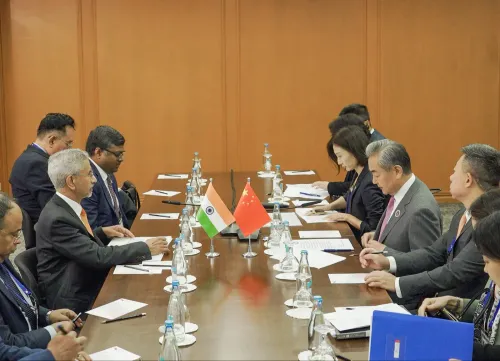
The 36th WMCC meeting on India-China Border Affairs was held on 6 August , where both sides reviewed the situation along the LAC .
India reiterated that border affairs directly affect the broader state of India-China bilateral relations .
Both sides agreed to continue using diplomatic and military channels, including WMCC and local commander-level meetings, to resolve outstanding issues.
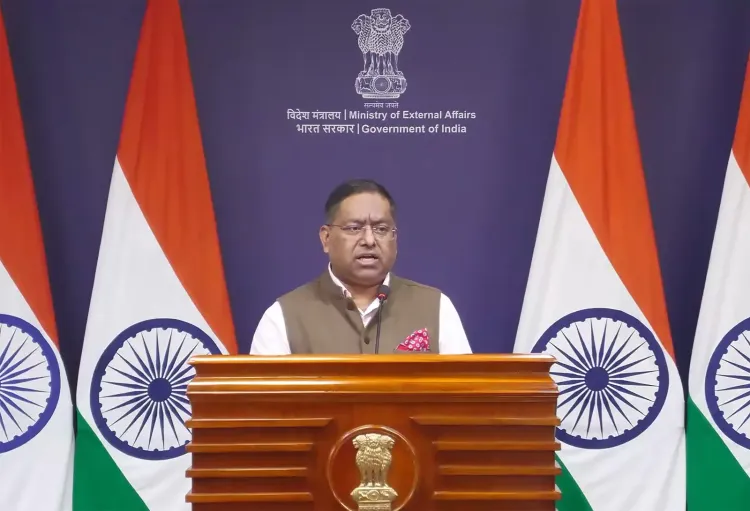
India's Ministry of External Affairs (MEA) on Tuesday, 11 August firmly rejected China's objection to New Delhi's renaming of 27 locations in Arunachal Pradesh, asserting that the northeastern state is an 'inalienable and integral' part of India and that nothing can change this 'indisputable reality'.
What the MEA Said
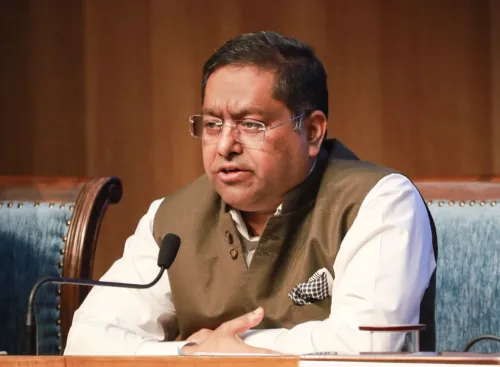
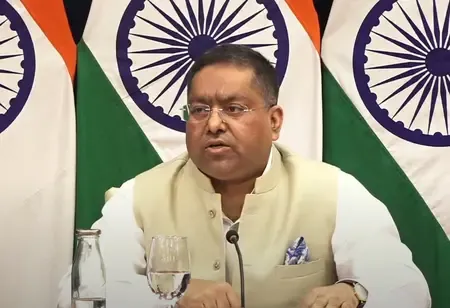
MEA spokesperson Randhir Jaiswal, addressing a bi-weekly media briefing in New Delhi, was responding to Beijing's declaration that India's formal identification of 27 locations in Arunachal Pradesh by their Indian names was 'null and void'. Jaiswal was unequivocal: 'Arunachal is an inalienable and integral part of India and this is a fact which is self-evident. At the same time, let me also underline that nothing can change this indisputable reality.'
Border Affairs and the WMCC Meeting
Jaiswal reiterated that India regards border issues with China as among the most serious dimensions of the bilateral relationship. He noted that both sides had reviewed the situation along the Line of Actual Control (LAC) during the 36th meeting of the Working Mechanism for Consultation and Coordination on India-China Border Affairs (WMCC), held on 6 August.
The Indian side, Jaiswal said, again underlined that maintaining peace and tranquillity in border areas is essential for the overall development of bilateral relations. 'The state of border affairs will reflect on the state of our larger bilateral ties,' he stated, echoing a position New Delhi has consistently maintained in diplomatic exchanges with Beijing.
Agreed Mechanisms to Prevent Miscalculation
According to Jaiswal, the two sides engaged in 'frank discussions' at the 36th WMCC and agreed to continue using existing diplomatic and military channels — including the WMCC, local commander-level meetings, and other agreed mechanisms — to resolve outstanding issues and prevent misunderstanding along the LAC.
This comes amid a broader pattern of recurring friction over Arunachal Pradesh, which China claims as 'South Tibet' and periodically attempts to rename. India has consistently and categorically rejected such claims. Notably, the renaming of locations within Arunachal Pradesh by Indian authorities is itself a counter-assertion of sovereignty — a practice Beijing has contested each time it has occurred.
Why This Matters
The exchange reflects the persistent tension underlying what both sides have described as a 'normalisation' of ties following the 2020 Galwan Valley clash. While diplomatic and military channels remain active, fundamental disputes — over Arunachal Pradesh in particular — continue to surface. Any escalation in border rhetoric, analysts note, carries implications for trade, investment, and the broader India-China relationship.
With the 36th WMCC concluded and both sides committed to dialogue, the focus now shifts to whether ground-level mechanisms can prevent fresh flashpoints along the LAC.
Point of View
Suggesting India is deliberately coupling diplomatic engagement with public sovereignty assertions. The real question is whether the agreed mechanisms — WMCC, commander-level talks — can contain friction as both sides simultaneously pursue normalisation and refuse to budge on core territorial positions. That contradiction has no easy resolution.
NationPress
26 Sept 2026
Frequently Asked Questions
What did India's MEA say about Arunachal Pradesh on 11 August?
MEA spokesperson Randhir Jaiswal stated that Arunachal Pradesh is an 'inalienable and integral' part of India and that nothing can change this 'indisputable reality'. The remarks were made in response to China's objection to India formally identifying 27 locations in the state by their Indian names.
Why did China object to India renaming locations in Arunachal Pradesh?
China claims Arunachal Pradesh as 'South Tibet' and has repeatedly contested Indian sovereignty over the region. Beijing declared India's renaming of 27 locations in the state 'null and void', a position India categorically rejected.
What was the 36th WMCC meeting about?
The 36th meeting of the Working Mechanism for Consultation and Coordination on India-China Border Affairs (WMCC) was held on 6 August. Both sides reviewed the situation along the Line of Actual Control and agreed to continue using existing diplomatic and military channels to resolve outstanding issues and prevent miscalculation.
How does the Arunachal dispute affect India-China relations overall?
India has consistently stated that the state of border affairs directly reflects on the broader bilateral relationship. MEA spokesperson Jaiswal reiterated that maintaining peace and tranquillity along the LAC is essential for the overall development of ties between New Delhi and Beijing.
What mechanisms exist to manage the India-China border situation?
Both sides have agreed to use existing channels including the WMCC, local commander-level meetings, and other diplomatic and military mechanisms to resolve outstanding border issues and avoid misunderstanding along the Line of Actual Control.