MEA rejects ex-Japanese minister's bullet train remarks as 'variance with facts'
Synopsis
India's MEA has issued a pointed rebuttal to former Japanese Justice Minister Hideki Makihara's social media remarks on the Mumbai-Ahmedabad bullet train, calling them factually off-base. With the first section targeted for 2027 and Japan's E10 trains arriving only in the early 2030s, New Delhi has confirmed a bridging plan: launch with an Indian high-speed train first.
Key Takeaways
MEA spokesperson Randhir Jaiswal on 17 July called former Japanese minister Hideki Makihara 's bullet train remarks an 'individual opinion' at 'considerable variance with facts.' India-Japan discussions on the Mumbai-Ahmedabad High-Speed Rail (MAHSR) corridor are described as 'progressing well' by the MEA.
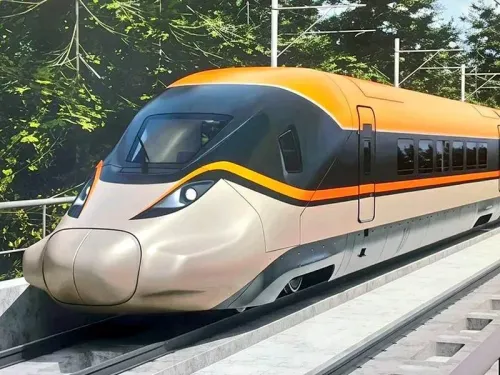
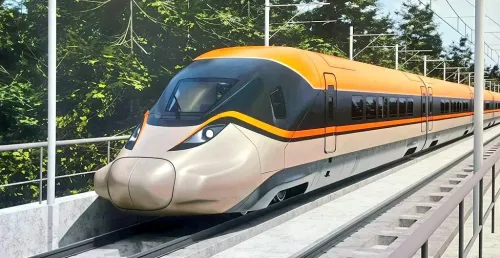
Japan's E10 series trains will be supplied only in the early 2030s ; operations will begin with an Indian high-speed train in the interim.
The first section of the MAHSR corridor is targeted to open in 2027 , with a full launch eyed for 15 August 2027 .
MEA confirmed signalling equipment has been ordered and meets international specifications ; no Japanese offer on signals was received.
India's Ministry of External Affairs (MEA) on Friday, 17 July firmly rejected remarks made by a former Japanese minister about delays in the Mumbai-Ahmedabad bullet train project, calling them an 'individual opinion' that is 'at considerable variance with facts.' The pushback came during a bi-weekly media briefing in New Delhi, where MEA spokesperson Randhir Jaiswal addressed media queries on the matter.
What the MEA Said
Randhir Jaiswal was unequivocal in his response. 'We have seen the post that has been referred to. It is an individual opinion and is at considerable variance with facts,' he stated. He went on to assert that India-Japan discussions on the high-speed rail corridor are 'in fact, progressing well.'
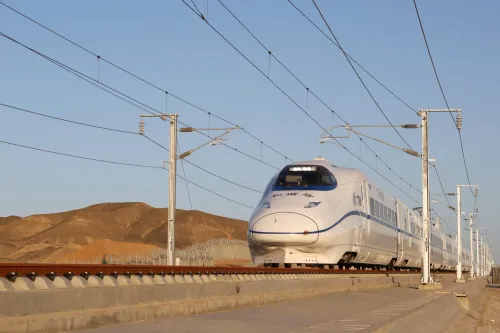
On the question of rolling stock, Jaiswal clarified that Japan will supply E10 series trains, but only in the early 2030s, as that train variant is still under development. In the interim, both sides have agreed to launch operations using an Indian high-speed train. 'Therefore, both sides agreed to start the operations with the Indian high-speed train,' he said.
The Remarks That Triggered the Rebuttal
Former Japanese Justice Minister Hideki Makihara had posted comments on his social media account in response to an opinion piece, raising concerns about the project's situation and its signal system. The MEA directly addressed the signalling concern, stating that the equipment has been ordered and is fully in line with international specifications. Jaiswal also noted: 'No Japanese offer was received in this context. The project execution is in line with the common goal of starting the high-speed train project at the earliest.'
Project Status and Timeline
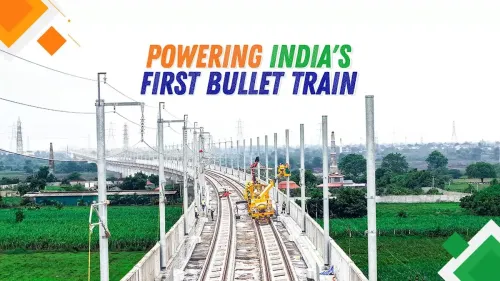
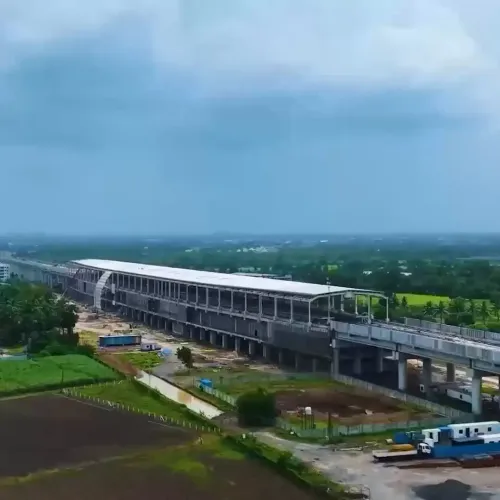
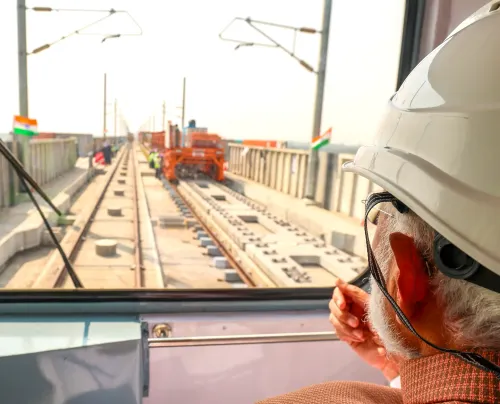
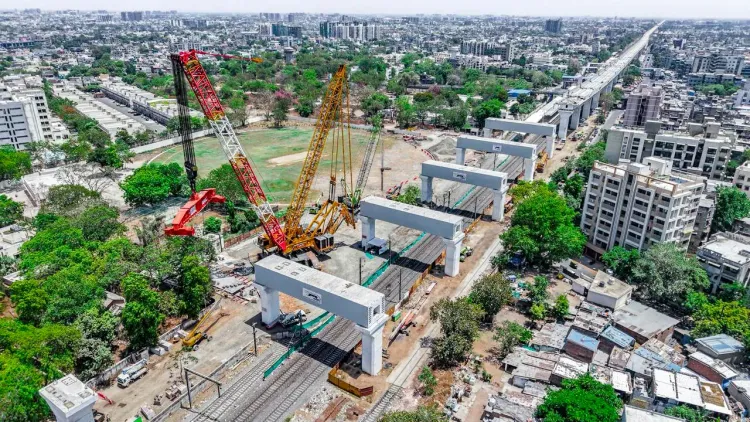
The Mumbai–Ahmedabad High-Speed Rail (MAHSR) project is India's first high-speed rail corridor, and according to an official factsheet issued last month, it represents a transformative phase in the country's railway development. Significant progress has been recorded across civil works, bridge construction, and tunnelling.
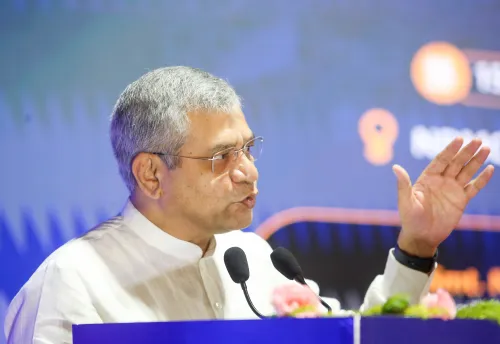
Crucially, the first section of the corridor is slated to open in 2027. In January, Union Railways Minister Ashwini Vaishnaw had announced that India is likely to see its first high-speed rail service launch on 15 August 2027 — India's Independence Day.
Broader Context
The MAHSR corridor has been a flagship symbol of the India-Japan strategic partnership, with Japan providing both financing and technical expertise. The project has faced scrutiny over land acquisition delays and construction timelines in the past. This is not the first time external commentary on the project's pace has drawn an official response from New Delhi. The MEA's sharp rebuttal signals sensitivity around any narrative that could be perceived as undermining a high-profile bilateral infrastructure commitment. With the 2027 partial opening now a stated government target, the coming months will be critical for on-ground delivery.
Point of View
Meaning the 2027 launch will depend entirely on an Indian train that is itself still being developed. The government is managing two timelines simultaneously and hoping neither slips. Past infrastructure mega-projects have shown that public confidence erodes fastest not from delays, but from the perception that official timelines are disconnected from ground reality — a risk the MEA's forceful response alone cannot neutralise.
NationPress
16 Oct 2026
Frequently Asked Questions
Why did India's MEA reject the former Japanese minister's comments on the bullet train?
The MEA rejected the remarks by former Japanese Justice Minister Hideki Makihara, made on social media, as an 'individual opinion' that is 'at considerable variance with facts.' Spokesperson Randhir Jaiswal stated that India-Japan discussions on the Mumbai-Ahmedabad High-Speed Rail corridor are progressing well and that construction has advanced rapidly.
When will the Mumbai-Ahmedabad bullet train project be completed?
The first section of the Mumbai-Ahmedabad High-Speed Rail corridor is targeted to open in 2027, with Union Railways Minister Ashwini Vaishnaw having announced in January that the first high-speed rail service could launch on 15 August 2027. Japan's E10 series trains are expected to be supplied only in the early 2030s.
Why won't Japan's E10 trains be used at launch?
Japan's E10 series trains are still under development and will only be available in the early 2030s. Both India and Japan have agreed to begin operations with an Indian high-speed train in the interim, allowing the 2027 target to be met without waiting for the E10 variant.
What did the former Japanese minister say about the bullet train project?
Former Japanese Justice Minister Hideki Makihara posted comments on his social media account in response to an opinion piece, raising concerns about the project's situation and its signal system. The MEA addressed both points, stating that signalling equipment has been ordered per international specifications and that no Japanese offer on signals was received.
What is the current status of the MAHSR project?
According to an official factsheet issued last month, the Mumbai-Ahmedabad High-Speed Rail project has recorded significant progress in civil works, bridge construction, and tunnelling. It is India's first high-speed rail corridor and a key element of the India-Japan strategic partnership.