Meghalaya bars CM, ministers from felicitation at official events
Synopsis
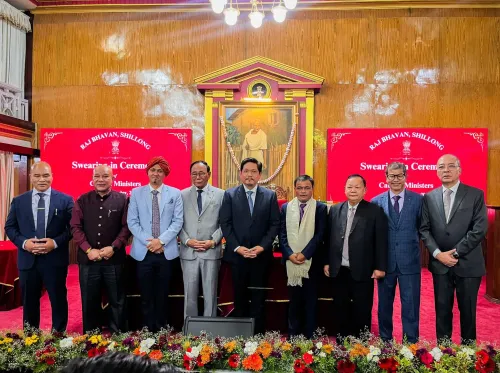
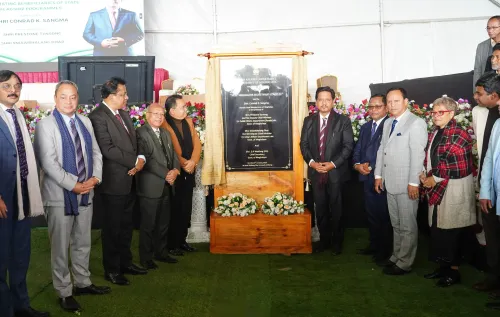
Meghalaya has quietly but firmly rewritten the rules of official ceremony: no more garlands and shawls for the Chief Minister or ministers at state events. Instead, two or three ordinary citizens must be honoured at every government programme — a structural shift that reframes who the state puts on a pedestal at its own functions.
Key Takeaways
The Meghalaya government has barred felicitation of the Chief Minister , Deputy Chief Minister , and ministers at all official state programmes.
The directive was issued by the Personnel and Administrative Reforms (A) Department , signed by Secretary Isawanda Laloo , and took effect immediately on 30 July .
All departments must now honour two or three members of the public at every official event instead of political or government functionaries.
The only exception is functions attended by a Union Minister or a foreign dignitary , where protocol may require ceremonial recognition.
Selected citizens may also be invited to briefly address the gathering at the organiser's discretion.
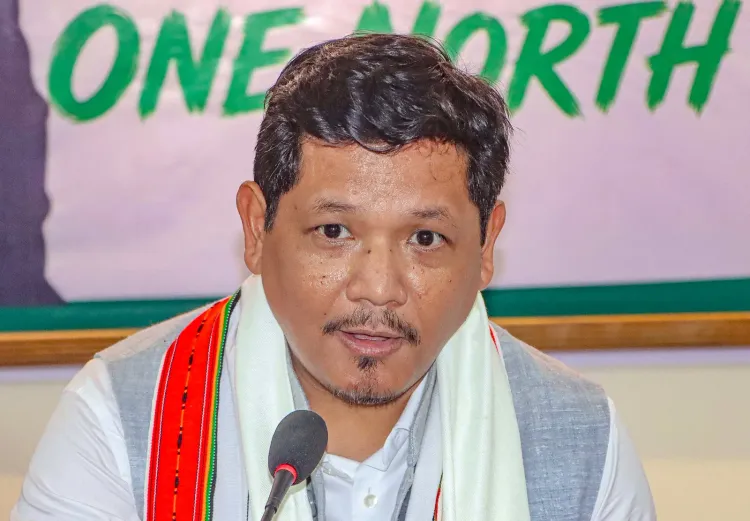
The Meghalaya government has formally prohibited the felicitation of the Chief Minister, Deputy Chief Minister, ministers, and other state dignitaries at official government programmes, directing all departments to instead honour members of the public. The directive, issued through a circular by the Personnel and Administrative Reforms (A) Department, came into effect immediately, officials confirmed on Thursday, 30 July.
What the Circular Says
The order, signed by Secretary Isawanda Laloo, explicitly bars felicitation ceremonies for political and government functionaries at state-sponsored events. The sole exception carved out in the circular covers official functions attended by a Union Minister or a foreign dignitary, where customary protocol may necessitate ceremonial recognition.
Under the revised guidelines, all administrative departments have been instructed to honour two or three members of the public at every official programme. These selected citizens may also be invited to briefly address the gathering, at the discretion of event organisers.
A Shift Toward Citizen-Centric Governance
The decision marks a notable departure from long-standing practice at government functions across the state, where felicitation of political leaders and senior officials has been a routine feature. According to officials, the move is designed to give public recognition to individuals from diverse walks of life who have made meaningful contributions to their communities or society at large.
Notably, the revised protocol is also expected to reduce the time consumed by ceremonial proceedings at official events, allowing greater focus on substantive programme content and public participation. This is consistent with a broader push seen in several Indian states to make government-run events less ceremonial and more outcome-oriented.
Implementation Across Departments
The Meghalaya government has directed all administrative departments to strictly comply with the new guidelines with immediate effect. Departments organising official functions across the state will be required to redesign event schedules in accordance with the instructions issued by the Personnel and Administrative Reforms Department.
Officials said the directive applies to all state government-hosted programmes going forward, and compliance will be mandatory rather than advisory. The circular does not specify a review timeline, suggesting the revised protocol is intended as a permanent structural change to how official events are conducted in Meghalaya.
Broader Significance
The directive reflects a growing recognition that government events risk becoming platforms for political optics rather than public service. By centring ordinary citizens in ceremonial roles, the state government is signalling a shift in how public representatives engage with the people they serve. Whether other northeastern states or the broader Indian political landscape follow suit remains to be seen.
Point of View
However, reveals the limits of the reform: protocol hierarchy remains intact at the top. The real test will be enforcement; directives of this kind in India often fade into compliance theatre within months. If Meghalaya holds the line and other states take note, it could nudge a modest but meaningful change in how Indian public administration performs itself before its own citizens.
NationPress
14 Sept 2026
Frequently Asked Questions
What has the Meghalaya government decided about felicitation at official events?
The Meghalaya government has banned felicitation of the Chief Minister, Deputy Chief Minister, ministers, and other state dignitaries at official government programmes. Departments must instead honour two or three members of the public at every such event, under a circular issued by the Personnel and Administrative Reforms (A) Department.
When did the Meghalaya felicitation ban come into effect?
The directive came into effect immediately upon issuance, which was confirmed on 30 July. All government departments are required to comply with the revised protocol from this date onwards.
Are there any exceptions to the no-felicitation rule in Meghalaya?
Yes, one exception exists. If an official function is attended by a Union Minister or a foreign dignitary, customary ceremonial recognition may still be observed as required by protocol. All other state government events must follow the new citizen-centric guidelines.
Who will be felicitated at Meghalaya government events instead of ministers?
Two or three members of the public will be honoured at every official programme. These individuals are expected to be people who have made meaningful contributions to their communities or society, drawn from different walks of life. They may also be invited to briefly address the gathering.
Why has Meghalaya introduced this change to official event protocol?
The government stated the move is aimed at making state-sponsored events more citizen-centric and people-oriented, reducing time spent on ceremonial proceedings involving political figures, and placing public recognition on ordinary citizens rather than those already in positions of authority.