Meghalaya CM Conrad Sangma launches 3 mobile medical units for 93 villages
Synopsis
Meghalaya CM Conrad Sangma has launched three Mobile Medical Units to serve 93 remote villages and over two lakh residents across East Khasi Hills and South Garo Hills. The units bring doctors, diagnostics, EMR services, cancer screening, and NCD management directly to communities that have long lacked reliable healthcare access — and Sangma himself set the bar high: 'The real happiness will come when we save lives.'
Key Takeaways
Meghalaya CM Conrad K.
Sangma inaugurated three Mobile Medical Units (MMUs) in Shillong on 15 September 2026 .
The MMUs will serve 93 villages across Mawpat (45 villages), Pynursla (26 villages), and Baghmara (22 villages), reaching a combined population of over two lakh people .
Each unit is staffed by doctors and trained personnel, equipped with diagnostics, medicines, and electronic medical record (EMR) technology.
Key focus areas include non-communicable disease (NCD) screening, cancer screening , and vision health services .
CM Sangma described the units as a potential 'major game changer' but stressed outcomes — not launches — as the measure of success.
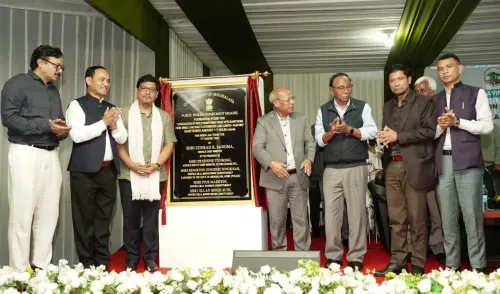
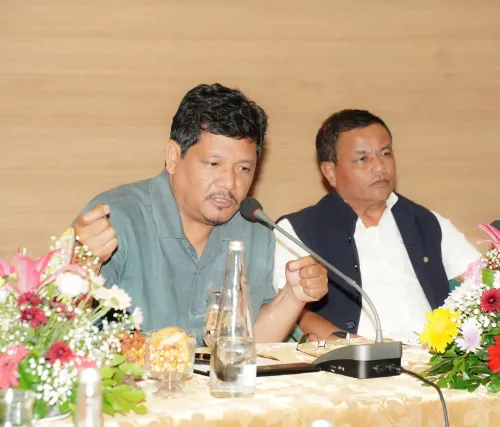
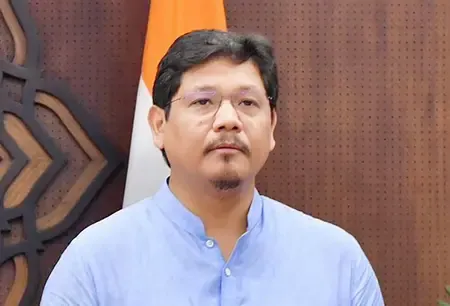
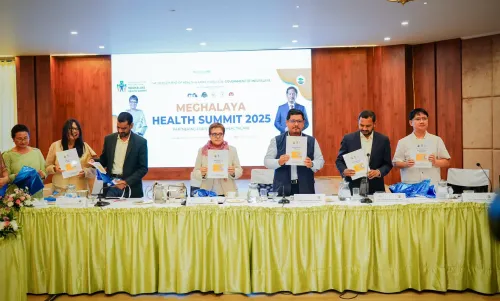
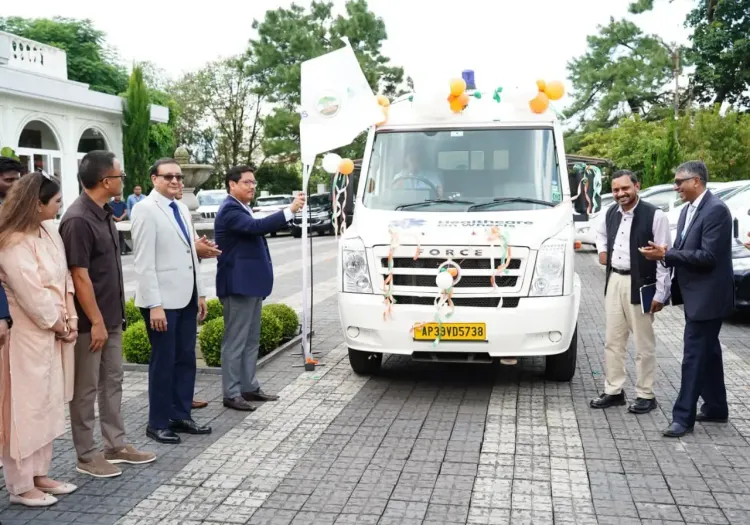
Meghalaya Chief Minister Conrad K. Sangma on Tuesday, 15 September 2026, inaugurated three Mobile Medical Units (MMUs) in Shillong, marking a significant push to extend primary healthcare and preventive services to remote communities across the state. The units will collectively serve an estimated 93 villages and a combined population of more than two lakh people.
Coverage and Deployment
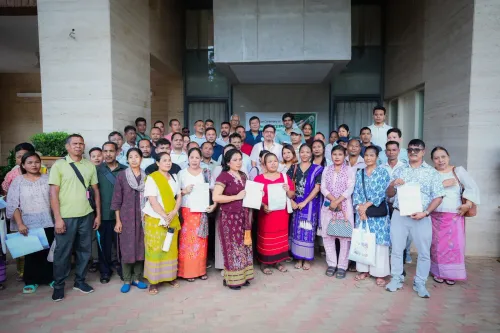
The three MMUs have been assigned to distinct blocks and districts: Mawpat (covering nearly 45 villages) and Pynursla (covering 26 villages), both Community and Rural Development blocks in East Khasi Hills district, and Baghmara (covering 22 villages) in South Garo Hills district. Together, these areas represent some of the most geographically challenging terrains in the state, where access to even basic health facilities has historically been limited.
What the Units Offer
Each mobile unit will be staffed by doctors and trained medical personnel, and equipped with essential medicines, diagnostic tools, and technology-enabled electronic medical record (EMR) services. Services will include consultations, basic diagnostics, treatment, and follow-up care, with provisions for referrals to higher healthcare facilities when specialised treatment is required. A major focus of the programme will be the prevention, screening, and management of non-communicable diseases (NCDs), including chronic conditions, cancer screening, and vision health services.
What the Chief Minister Said
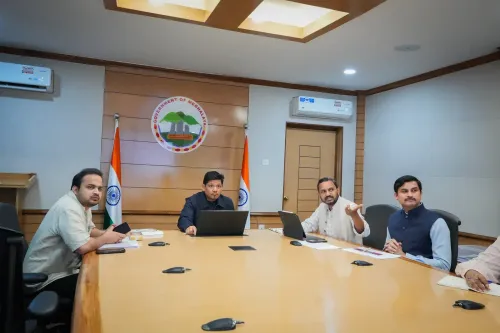
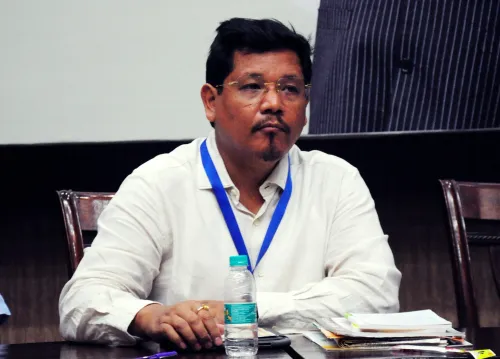
Speaking at the launch, Chief Minister Sangma emphasised that his government had prioritised health and education since 2018, stressing that development carried little meaning if its benefits did not reach every citizen. 'Launching the ambulance is the easiest part. The real happiness will come when we save lives,' he said, underlining the need to measure the initiative by outcomes rather than optics. Sangma also described the mobile units as a potential 'major game changer' for last-mile healthcare delivery in Meghalaya — provided they were effectively utilised. He additionally flagged the need for stronger digital connectivity to support technology-enabled healthcare interventions across the state.
Why This Matters
Meghalaya's hilly and forested terrain makes conventional fixed-facility healthcare outreach difficult, leaving large swathes of the rural population — particularly in tribal belt districts — dependent on sporadic health camps or long-distance travel to district hospitals. The MMU model, which brings the facility to the patient rather than the other way around, has shown measurable impact in comparable geographies across Northeast India. Notably, the emphasis on NCD screening is timely: India's rural NCD burden, including hypertension, diabetes, and certain cancers, is rising sharply but detection rates in remote areas remain low. This is at least the third state in the Northeast to scale up mobile health infrastructure in the current financial year, reflecting a broader regional push under national rural health frameworks.
What Comes Next
The government has not yet specified a formal monitoring or outcome-reporting framework for the MMUs, a gap that health administrators and civil society groups have flagged in similar programmes elsewhere. The Chief Minister's own remarks suggest an awareness of this challenge — the real measure of success, he indicated, will be lives saved, not units deployed. Observers will watch whether the programme is backed by route schedules, digital health integration, and community awareness campaigns to ensure consistent uptake across all 93 villages.
Point of View
But Meghalaya's track record on last-mile health delivery will determine whether this becomes a model or a footnote. The Chief Minister's own framing — 'the real happiness will come when we save lives' — implicitly acknowledges the gap between inauguration optics and ground-level impact. What the programme currently lacks is a publicly stated outcome framework: visit frequencies, patient load targets, NCD detection benchmarks. Without that scaffolding, three well-equipped vehicles risk becoming high-visibility assets used inconsistently. The NCD focus is the right priority — rural detection rates for hypertension and diabetes across the Northeast remain critically low — but detection without a functional referral chain only gets patients halfway to care.
NationPress
15 Sept 2026
Frequently Asked Questions
What are the Mobile Medical Units launched in Meghalaya?
The Mobile Medical Units (MMUs) are vehicle-based healthcare facilities inaugurated by Chief Minister Conrad K. Sangma on 15 September 2026 to deliver primary care to remote villages in Meghalaya. Each unit is staffed by doctors and trained medical personnel, and equipped with diagnostics, medicines, and electronic medical record services.
Which areas will the Meghalaya MMUs serve?
The three MMUs will cover 93 villages across Mawpat and Pynursla blocks in East Khasi Hills district, and Baghmara in South Garo Hills district. The combined target population is more than two lakh people.
What services will the mobile units provide?
The MMUs will offer consultations, basic diagnostics, treatment, and follow-up care, along with referrals to higher facilities when needed. They will also conduct targeted screening for non-communicable diseases, cancer, and vision health.
Why is last-mile healthcare a challenge in Meghalaya?
Meghalaya's hilly and forested terrain makes fixed-facility healthcare difficult to access for large parts of the rural population, particularly in tribal areas. Many residents must travel long distances to reach district hospitals, making mobile units a practical alternative.
How will the success of the MMU programme be measured?
Chief Minister Sangma indicated that the initiative should be measured by its impact on patients rather than the act of launching units. However, no formal public outcome-reporting framework — such as visit schedules or NCD detection targets — has been announced yet.