Meghalaya DMF turns 10: ₹181 crore mobilised, 923 projects sanctioned, says CM Sangma
Synopsis
Ten years in, Meghalaya's District Mineral Foundation has mobilised ₹181 crore and sanctioned 923 projects — but only 542 are complete. CM Conrad K. Sangma's call to pivot from infrastructure to income-generating assets marks a sharper ambition for the DMF's second decade, and a tacit admission that brick-and-mortar alone has not been enough.
Key Takeaways
Meghalaya CM Conrad K.
Sangma addressed the DMF's 10th anniversary function in Shillong on 14 October 2026 .
The District Mineral Foundation (DMF) has mobilised ₹181 crore and sanctioned 923 projects over the past decade.
Of the 923 sanctioned projects, 542 have been completed , covering classrooms, healthcare, drinking water supply, and footbridges.
Sangma called for DMF investments to shift towards income-generating assets such as eco-tourism, food processing, and local enterprises.
The Chief Minister urged district administrations to accelerate utilisation of available DMF funds and eliminate project delays.
Meghalaya's traditional community land ownership system was highlighted as a key factor in shaping the state's mining governance approach.
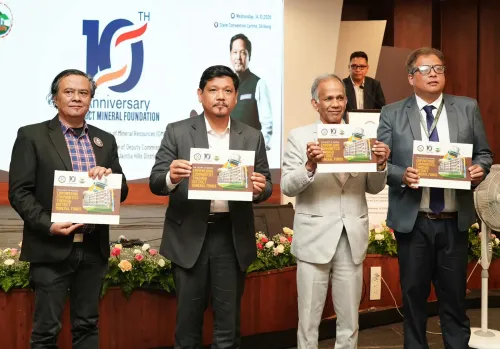
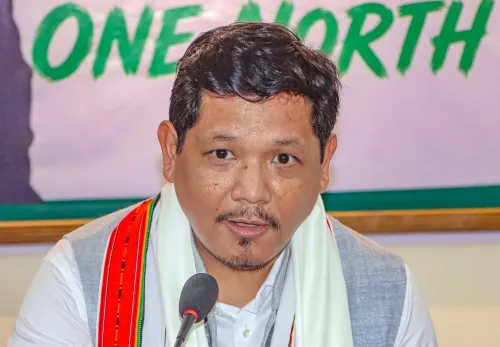
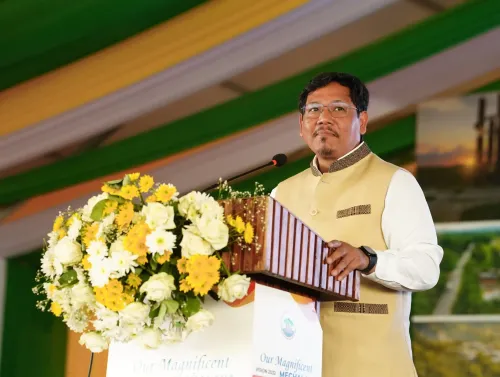
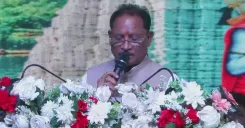
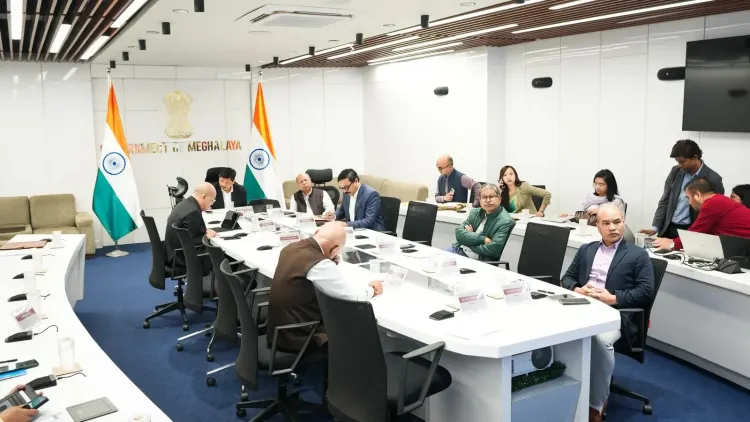
Meghalaya Chief Minister Conrad K. Sangma on Wednesday, 14 October 2026, called for a shift towards scientific and sustainable mining practices in the state, stressing that mineral wealth must generate long-term economic opportunities and raise living standards for local communities. His remarks came as the District Mineral Foundation (DMF) marked 10 years of operation at a function in Shillong.
DMF's Decade of Impact
Highlighting the foundation's performance, Chief Minister Sangma said the DMF had mobilised ₹181 crore in Meghalaya over the past decade and sanctioned 923 projects, of which 542 have been completed. The completed initiatives span classrooms, healthcare facilities, drinking water supply networks, and monsoon-resilient footbridges — addressing core infrastructure gaps in mining-affected communities.
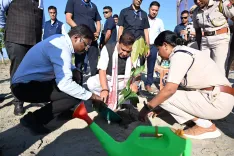
Environmental restoration has also featured prominently in the DMF's portfolio, with investments in water conservation structures and tree plantation drives in quarry areas, signalling an effort to offset the ecological costs of extraction activity.
Sangma's Vision: Beyond Infrastructure
The Chief Minister emphasised that the DMF's next decade must move beyond physical infrastructure to creating assets that generate sustainable incomes. He cited several examples already supported through DMF funding: an eco-tourism park and a value-added bee products unit at Nengmandalgre, silkworm rearing and a weaving centre in Ri Bhoi district, and a district emporium showcasing locally produced goods.
Sangma argued that investments in tourism, food processing, and local enterprises could help Meghalaya build what he described as a 'regenerative economy' — one in which the benefits of mineral resources continue flowing to communities even as extraction eventually winds down.
The Governance Challenge
The Chief Minister urged district administrations to ensure that available DMF funds are utilised effectively and that ongoing projects are completed without unnecessary delays. He also called for closer coordination between district authorities and local communities to maximise development impact — a pointed acknowledgement that fund utilisation and project execution have not always matched the scale of mobilisation.
This comes amid longstanding scrutiny of mining governance in Meghalaya, where illegal coal mining has periodically triggered environmental and safety controversies. The DMF was established specifically to direct a portion of mining revenues towards the welfare of communities and regions most affected by extraction activities.
Balancing Mining with Community Welfare
Sangma underscored the need to balance the economic importance of mining with environmental protection, community welfare, and livelihood diversification. He stressed that the state's mining practices must also account for local conditions and Meghalaya's traditional system of community land ownership — a legally and socially distinct feature of the state's land tenure framework that complicates the straightforward application of national mining law.
With 381 projects still under implementation, the pace of completion and the quality of outcomes in the DMF's second decade will be the real measure of whether the foundation's model delivers on its promise.
Point of View
923 projects sanctioned — sound impressive, but with 381 projects still incomplete after a decade, execution quality is the real story. CM Sangma's pivot towards income-generating assets is the right instinct, yet it sits uneasily alongside unresolved questions about Meghalaya's illegal coal mining legacy, which the DMF was partly created to remediate. The push for tourism and food processing is also not new; without dedicated financing mechanisms and market linkages, it risks being aspirational language. The DMF's second decade will be defined less by fund mobilisation and more by whether its projects outlast the next electoral cycle.
NationPress
14 Oct 2026
Frequently Asked Questions
What is the District Mineral Foundation (DMF) in Meghalaya?
The DMF is a trust-based fund established to support communities and areas affected by mining activities, with revenues directed towards local development and essential services. In Meghalaya, the foundation has operated for 10 years, mobilising ₹181 crore and sanctioning 923 projects across the state.
How much has the Meghalaya DMF mobilised in 10 years?
According to Chief Minister Conrad K. Sangma, the DMF has mobilised ₹181 crore over the past decade and sanctioned 923 projects. Of these, 542 have been completed, covering infrastructure such as classrooms, healthcare facilities, drinking water supply, and footbridges.
What is CM Sangma's vision for the DMF going forward?
Sangma has called for the DMF to move beyond physical infrastructure towards assets that generate sustainable incomes, citing eco-tourism, food processing, and local enterprises as priority areas. He also urged faster fund utilisation and stronger coordination between district administrations and local communities.
Why does community land ownership matter for mining in Meghalaya?
Meghalaya has a traditional system of community land ownership, distinct from most Indian states, which affects how mining rights are granted and how benefits are distributed. CM Sangma stressed that evolving mining practices must account for this system alongside local conditions.
Which projects have been funded through the Meghalaya DMF?
DMF-funded projects in Meghalaya include classrooms, healthcare facilities, drinking water networks, monsoon-resilient footbridges, water conservation structures, and tree plantation in quarry areas. Income-generating initiatives include an eco-tourism park and bee products unit at Nengmandalgre, and a weaving centre in Ri Bhoi district.