Meghalaya launches 5 electric buses under PM eBus Sewa Scheme in Shillong
Synopsis
Meghalaya has flagged off its first five electric buses under the Centre's PM eBus Sewa Scheme — but the more striking signal is what the ridership data already shows: diesel buses under the same model saw daily commuters jump tenfold to 3,000 in months. With 50 e-buses sanctioned and a 60,000-commuter daily target in six months, Shillong is quietly building one of the Northeast's most ambitious public transport pivots.
Key Takeaways
Chief Minister Conrad K.
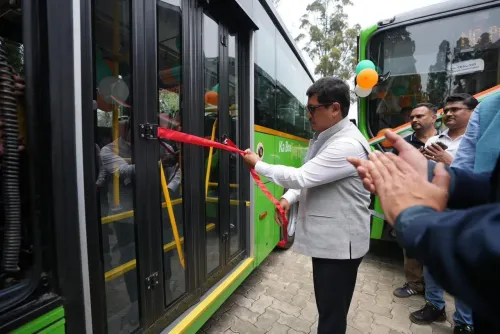
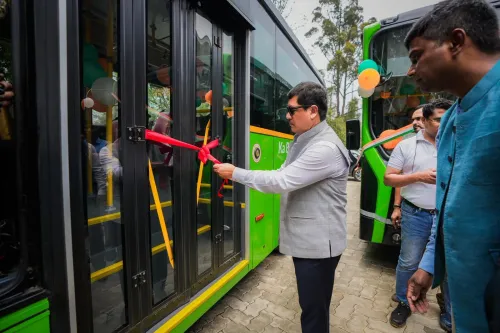
Sangma flagged off 5 electric buses in Shillong on 9 June 2025 under the PM eBus Sewa Scheme .
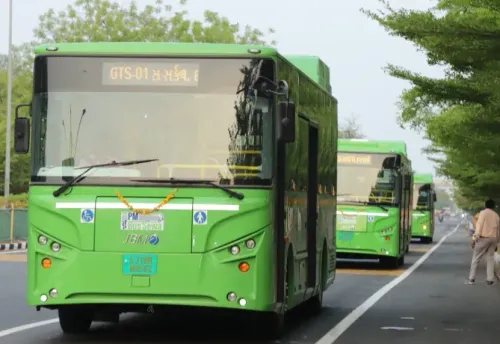
Each bus is a zero-emission AC vehicle with a range of 180–200 km per charge, seating 25 passengers with wheelchair access and GPS monitoring.
Shillong has been sanctioned 50 electric buses in total under the scheme; the city uses a Gross Cost Contract (GCC) model.
Existing diesel buses under GCC saw ridership grow from 300 to nearly 3,000 passengers per day within months.
A combined fleet of ~150 buses is expected within six months , targeting 60,000 daily commuters .
Meghalaya's EV policy offering registration fee and road tax exemptions is set for renewal after Cabinet approval.
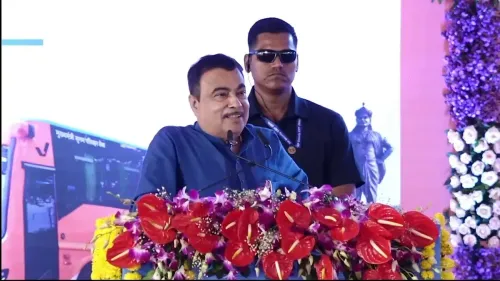
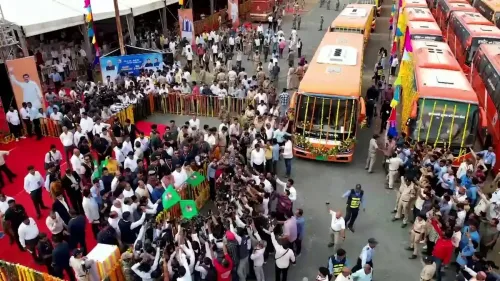
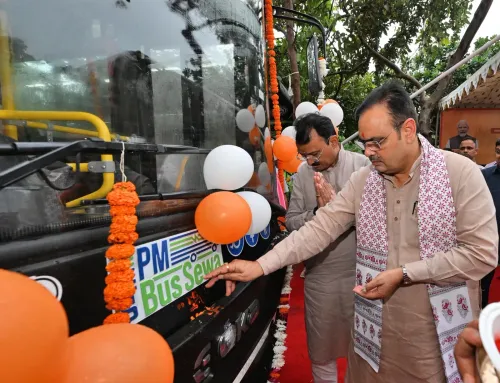
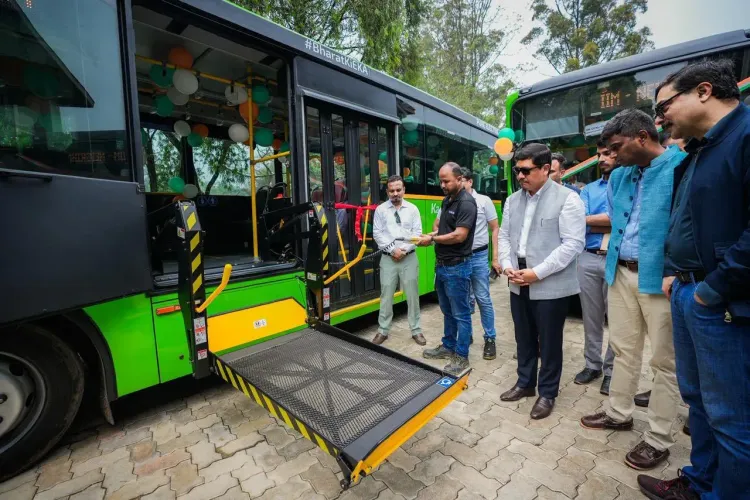
Meghalaya Chief Minister Conrad K. Sangma on Tuesday, 9 June flagged off five electric buses under the PM eBus Sewa Scheme in Shillong, marking the state's first concrete step toward sustainable urban mobility and emission-free public transport. The launch ceremony was held at Taraghar — State Guest House, Shillong.
Key Features of the Electric Buses
The newly deployed buses are zero-emission, air-conditioned vehicles capable of covering 180–200 km on a single charge. Each bus seats 25 passengers and is equipped with wheelchair spaces, foldable ramps, GPS-enabled monitoring, and e-ticketing facilities — making them among the most accessible public transport options currently operating in the Northeast.
What the Government Said
Addressing the gathering, Chief Minister Sangma acknowledged that Shillong has long struggled with traffic congestion and inadequate public transport. 'Slowly but steadily, we are arriving at a model that is more adaptable and tailor-made for the needs of our city,' he said.
Sangma also confirmed that the state's existing policy offering exemptions on registration fees and road taxes for electric vehicles would be renewed following Cabinet approval. He argued that EVs are particularly well-suited to Meghalaya's hilly terrain and can be conveniently charged at home, making personal adoption practical alongside the public fleet expansion.
Scale of the Scheme and Ridership Data
State Urban Affairs Department Commissioner and Secretary Vijay Kumar D confirmed that Shillong has been sanctioned 50 electric buses under the PM eBus Sewa Scheme. The city is adopting a Gross Cost Contract (GCC) model, under which operators are paid based on service quality and schedule adherence rather than passenger fares — a departure from the conventional revenue-linked model.
Notably, 15 diesel buses already operating under the same GCC framework have seen daily ridership surge from roughly 300 passengers to nearly 3,000 passengers within a few months, a tenfold increase that officials cite as proof of concept for the expanded fleet.
What Comes Next
The state government expects a combined fleet of approximately 150 diesel and electric buses to be operational within six months, with the capacity to serve nearly 60,000 commuters daily across Shillong. This comes amid a broader urban plan that includes expansion of parking infrastructure and development of a proposed administrative city at Mawdiangdiang to ease pressure on Shillong's congested urban core. 'The ultimate objective is to determine how we can decongest Shillong and encourage people to use public transportation instead of relying on private vehicles,' Chief Minister Sangma said. All eyes will now be on whether the remaining 45 sanctioned electric buses are deployed on schedule and whether ridership targets hold as the fleet scales.
Point of View
Narrow roads. The Mawdiangdiang administrative city plan is also a long-horizon bet; until that decentralisation materialises, the pressure on Shillong's core will persist regardless of fleet size.
NationPress
24 Oct 2026
Frequently Asked Questions
What is the PM eBus Sewa Scheme and how does it apply to Meghalaya?
The PM eBus Sewa Scheme is a Central government initiative to deploy electric buses in cities across India to promote clean public transport. Under the scheme, Shillong has been sanctioned 50 electric buses, of which 5 were flagged off on 9 June 2025.
How far can the new Shillong electric buses travel on a single charge?
Each of the newly launched electric buses can travel approximately 180–200 km on a single charge. They are air-conditioned, zero-emission vehicles seating 25 passengers and equipped with GPS monitoring and e-ticketing.
What is the Gross Cost Contract model being used for Shillong's buses?
Under the Gross Cost Contract (GCC) model, bus operators are paid based on service quality and schedule adherence rather than passenger fares. This shifts revenue risk away from operators and is credited with driving a tenfold rise in daily ridership on existing diesel buses in Shillong.
How many commuters will Shillong's expanded bus fleet serve?
The state government expects a combined fleet of around 150 diesel and electric buses to be operational within six months, with the capacity to serve nearly 60,000 commuters daily across Shillong.
What other steps is the Meghalaya government taking to ease Shillong's traffic?
Beyond the electric bus rollout, the government plans to expand parking infrastructure, renew EV registration fee and road tax exemptions after Cabinet approval, and develop a new administrative city at Mawdiangdiang to reduce congestion pressure on Shillong's urban core.