CM Conrad Sangma Hails ₹3,214 Cr Highway Push for Meghalaya
Synopsis
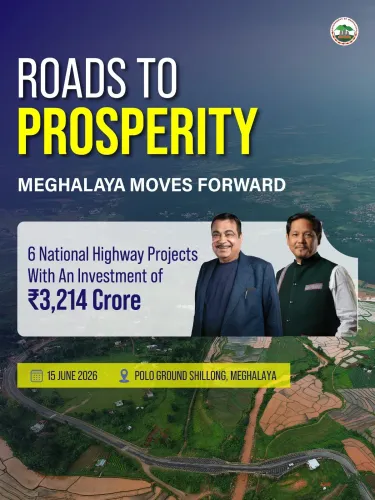
The Centre has sanctioned ₹3,214 crore for 4 new National Highways and upgradation of 2 existing ones in Meghalaya — the state's largest-ever road infrastructure package. Chief Minister Conrad Sangma credited Union Minister Nitin Gadkari for the milestone, which covers key corridors including the Shillong–Dawki Road and the Tura and Jowai bypasses.
Key Takeaways
₹3,214 crore sanctioned for road infrastructure in Meghalaya — the largest single road package in the state's history.
4 new National Highways to be laid and 2 existing National Highways to be upgraded under the package.
Projects include the Tura Bypass , Jowai Bypass , Pynursla Bypass , and the Dhubri–Phulbari Bridge corridor across two packages.
The Shillong–Dawki Road , a key link to the India–Bangladesh border , is among the corridors earmarked for upgradation.
The investment is aligned with the Centre's Bharatmala Pariyojana and Act East Policy priorities for the Northeast.
Chief Minister Conrad Sangma credited Union Minister Nitin Gadkari for the sanction, calling it 'transformative' for connectivity and economic growth.
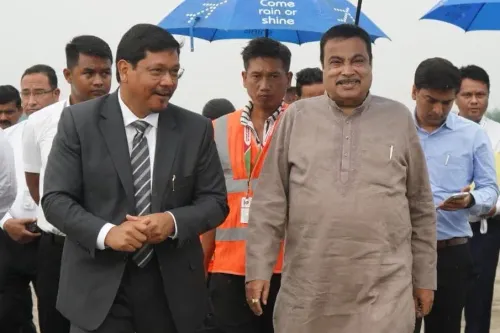
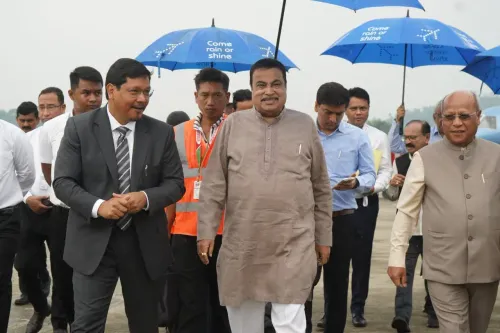
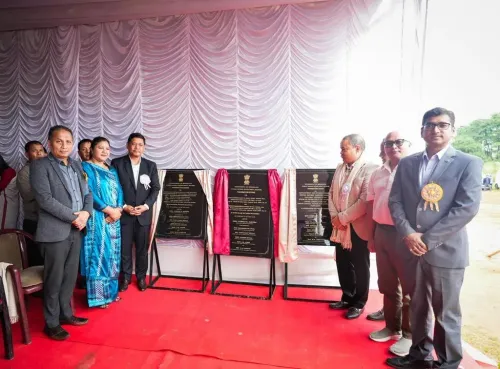
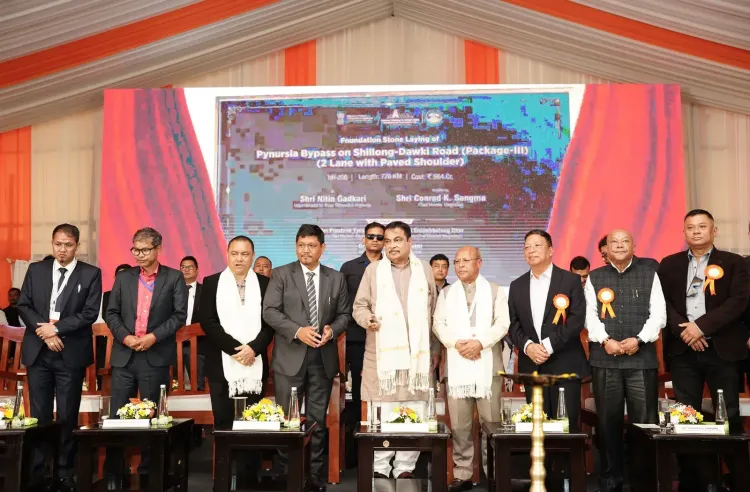
Meghalaya Chief Minister Conrad Sangma on Monday, June 15, 2026, expressed gratitude to Union Minister for Road Transport and Highways Nitin Gadkari after the Centre sanctioned the laying of foundations for 4 new National Highways and the upgradation of 2 existing National Highways in the state, with a total investment of ₹3,214 crore — the largest road infrastructure sanction in Meghalaya's history.
Context
Sangma described the package as 'the largest sanction ever made for road infrastructure development' in Meghalaya. The announcement covers six distinct projects spread across the state, targeting key connectivity gaps between urban centres, border crossings, and remote communities.
The six projects are: the Tura Bypass; the Dhubri–Phulbari Bridge to Selsella Simbukolgre (Package I); the Pynursla Bypass on Shillong–Dawki Road (Package III); Selsella Simbukolgre to Goeragre (Package II); upgradation of the Shillong–Dawki Road (Package I); and the Jowai Bypass.
Policy Backdrop
Road infrastructure expansion in the Northeast has been a consistent priority under the Centre's Bharatmala Pariyojana, launched in 2015 as the flagship national highway development programme. Northeastern states, including Meghalaya, were identified as critical corridors requiring urgent upgradation to close connectivity deficits inherited from decades of underinvestment.
Union Minister Nitin Gadkari, who has helmed the Ministry of Road Transport and Highways since 2014, has overseen a significant expansion of the national highway network across India, with the Northeast receiving growing allocations in successive tranches. The Shillong–Dawki Road is a strategically important corridor linking Meghalaya's capital to the India–Bangladesh border, making its upgradation relevant both to trade and to the Centre's broader Act East Policy.
Stakeholders and Impact
Meghalaya borders both Assam and Bangladesh and has historically faced constraints in road connectivity, limiting access to markets for local traders and increasing logistical costs for residents in hilly and remote areas. Improved highways are expected to reduce travel time, lower freight costs, and open new economic corridors for the state's agricultural and tourism sectors.
The Tura Bypass and Jowai Bypass are particularly significant for urban decongestion in Tura and Jowai, two of Meghalaya's major towns. The Dhubri–Phulbari Bridge component, connecting to Selsella Simbukolgre, is part of a broader cross-river linkage effort that could transform freight movement between Assam and Meghalaya. Residents, local traders, and the tourism sector stand to benefit directly from improved mobility.
What's Next
Attention will now shift to project execution timelines, contractor appointments, and land acquisition processes — areas where Northeast highway projects have historically faced delays. Any complementary allocations from the Meghalaya state budget for feeder roads connecting to these new national highways will be closely watched.
Chief Minister Sangma noted that the investment 'will strengthen connectivity, boost economic growth, improve mobility, and open new opportunities' for the people of Meghalaya. With the foundation-laying now formally initiated, the state government is expected to coordinate closely with the Ministry of Road Transport and Highways to ensure timely delivery of all six packages.
Point of View
214 crore sanction is a notable political and policy moment for Chief Minister Conrad Sangma, who leads a regional party in coalition with the BJP-led Centre — the scale of the package signals continued federal goodwill toward the NPP-governed state. For Union Minister Gadkari, it reinforces a consistent Northeast outreach strategy ahead of assembly cycles in the region. The emphasis on border-area connectivity, particularly the Shillong–Dawki corridor, also reflects the Act East Policy's evolving push to convert geographic proximity to Bangladesh into an economic asset. Delivery timelines and land acquisition will ultimately determine whether this record sanction translates into ground-level impact.
NationPress
14 Sept 2026
Frequently Asked Questions
What is the total investment sanctioned for Meghalaya highways in 2026?
The Centre has sanctioned ₹3,214 crore for road infrastructure in Meghalaya, covering 4 new National Highways and the upgradation of 2 existing ones — the largest such sanction in the state's history.
Which highway projects are included in the Meghalaya road package?
The six projects are the Tura Bypass , Dhubri–Phulbari Bridge to Selsella Simbukolgre (Package I) , Pynursla Bypass on Shillong–Dawki Road (Package III) , Selsella Simbukolgre to Goeragre (Package II) , upgradation of the Shillong–Dawki Road (Package I) , and the Jowai Bypass .
Who sanctioned the highway projects in Meghalaya?
Union Minister for Road Transport and Highways Nitin Gadkari laid the foundation for the projects. Chief Minister Conrad Sangma publicly credited Gadkari for the sanction.
Why is the Shillong–Dawki Road important for Meghalaya?
The Shillong–Dawki Road connects Meghalaya's capital Shillong to the India–Bangladesh border , making it a key corridor for trade, tourism, and the Centre's Act East Policy objectives.
What is Bharatmala Pariyojana and how does it relate to Meghalaya highways?
Bharatmala Pariyojana , launched in 2015 , is the Centre's flagship national highway development programme. Northeastern states including Meghalaya are priority corridors under the scheme, and the latest ₹3,214 crore package falls within this broader framework.