Mekedatu dam: Karnataka has no legal or moral right, says PMK's Ramadoss
Synopsis
PMK leader Anbumani Ramadoss has accused Karnataka CM D.K. Shivakumar of misreading a Supreme Court observation to claim Mekedatu dam can proceed without Tamil Nadu's nod. Ramadoss invokes the 1892 and 1924 Cauvery agreements, the 2007 tribunal award, and the 2018 SC judgment — and alleges the whole push is an election play ahead of Karnataka's next Assembly polls.
Key Takeaways
PMK leader Anbumani Ramadoss declared on 9 November 2026 that Karnataka has no legal or moral right to build the Mekedatu dam without Tamil Nadu's consent.
Ramadoss rejected CM D.K.
Shivakumar's claim that the Supreme Court had permitted the project, saying the court only asked the CWMA to examine the proposal.
He cited the Cauvery water-sharing agreements of 1892 and 1924 , the Cauvery Water Disputes Tribunal's 2007 award , and the Supreme Court's 2018 judgment as legal bars on the project.
The proposed reservoir has a storage capacity of approximately 70 TMC , which Ramadoss warned could further restrict downstream flows to Tamil Nadu.
He alleged Karnataka's Congress government is using the project for political gains ahead of the next Assembly elections in Cauvery basin districts.
Ramadoss urged the Union government to reject Karnataka's interpretation and block any Mekedatu approval without Tamil Nadu's explicit consent.
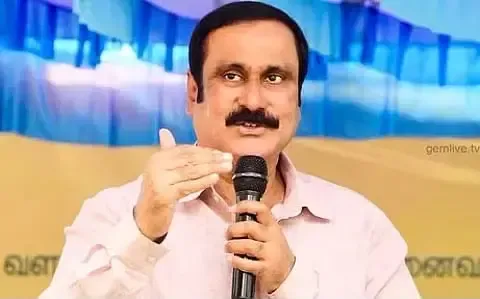
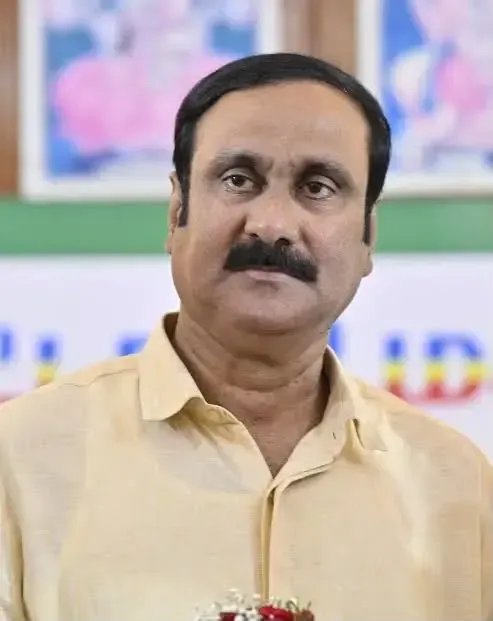
Pattali Makkal Katchi (PMK) leader Anbumani Ramadoss on 9 November 2026 mounted a sharp attack on Karnataka Chief Minister D.K. Shivakumar over the proposed Mekedatu dam across the Cauvery River, accusing him of misrepresenting Supreme Court observations and stoking a fresh interstate confrontation for political gain. Ramadoss declared that Karnataka had neither the legal nor the moral right to build the dam without Tamil Nadu's explicit consent.
What Triggered the Dispute
The PMK leader's statement came after Shivakumar reportedly claimed that the Supreme Court had given Karnataka the green light to proceed with the Mekedatu project and that Tamil Nadu's approval was not a prerequisite. Ramadoss rejected this reading outright, asserting that the apex court had issued no such permission for construction. According to Ramadoss, the court had only directed the Cauvery Water Management Authority (CWMA) to examine the proposal through established legal channels — a far cry from an unconditional clearance.
Legal and Historical Basis of Tamil Nadu's Objection
Ramadoss anchored his argument in a chain of legal instruments: the Cauvery water-sharing agreements of 1892 and 1924, the Cauvery Water Disputes Tribunal's 2007 award, and the Supreme Court's 2018 judgment. He argued that taken together, these precedents bar any upstream state from undertaking infrastructure that adversely impacts downstream flows. He further noted that former Union Water Resources Ministers Uma Bharti and Gajendra Singh Shekhawat had both maintained on record that the Mekedatu project could not proceed without Tamil Nadu's consent — lending the objection cross-party, national-level backing.
The Political Dimension
Accusing the ruling Congress government in Karnataka of weaponising the dispute, Ramadoss alleged that Shivakumar was engineering political momentum ahead of the next Karnataka Assembly elections. He claimed the state government may allocate funds for the project in its forthcoming budget and conduct foundation-stone ceremonies to consolidate support in Cauvery basin districts — prioritising optics over legal process, critics argue.
Water Security Concerns for Tamil Nadu
Beyond the political charge, Ramadoss raised substantive concerns about downstream water security. He alleged that Karnataka had consistently failed to release Tamil Nadu's rightful share of Cauvery water, allowing significant flows downstream largely during flood events when storage was not the constraint. The proposed reservoir, with a storage capacity of approximately 70 TMC, could, he warned, further constrict flows to Tamil Nadu, seriously threatening both irrigation and drinking water needs across the state.
Ramadoss's Demands from the Centre
The PMK leader urged the Union government to reject Karnataka's interpretation of the Supreme Court proceedings and ensure that no approval is granted for the Mekedatu project without Tamil Nadu's explicit consent. He also called upon the Centre to publicly condemn what he described as Karnataka's attempts to mislead the public on the contentious interstate water row. Tamil Nadu, he added, retains the right to challenge any adverse decision before the Supreme Court. With both states digging in, the dispute looks set to intensify as Karnataka's budget season approaches.
Point of View
Which is standard procedure, not an approval. What is notable here is that the counter-argument draws on former BJP Union ministers, effectively undercutting any claim that Tamil Nadu's objections are purely opposition politics. With Karnataka's budget approaching and state elections on the horizon, the risk is that legal proceedings get overtaken by foundation-stone politics — a pattern that has played out more than once on this river.
NationPress
9 Nov 2026
Frequently Asked Questions
What is the Mekedatu dam project and why is it controversial?
The Mekedatu dam is a proposed reservoir across the Cauvery River in Karnataka, with a storage capacity of approximately 70 TMC. Tamil Nadu opposes it, arguing the project would restrict downstream water flows and violate existing Cauvery water-sharing agreements and tribunal awards.
What did CM D.K. Shivakumar claim about the Supreme Court's position?
Shivakumar reportedly claimed that the Supreme Court had permitted Karnataka to proceed with the Mekedatu project and that Tamil Nadu's approval was not required. PMK leader Anbumani Ramadoss called this claim misleading, saying the court had only directed the Cauvery Water Management Authority to examine the proposal through legal procedures.
What legal framework does Tamil Nadu cite against the Mekedatu dam?
Tamil Nadu's objections rest on the Cauvery water-sharing agreements of 1892 and 1924, the Cauvery Water Disputes Tribunal's 2007 award, and the Supreme Court's 2018 judgment — all of which, according to Ramadoss, prohibit upstream states from undertaking projects that adversely affect downstream flows.
Why does Ramadoss allege the Mekedatu push is politically motivated?
Ramadoss alleged that Karnataka's ruling Congress government is using the Mekedatu project to consolidate support in Cauvery basin districts ahead of the next Karnataka Assembly elections, possibly by allocating budget funds and holding foundation-stone ceremonies to generate political momentum.
What has Ramadoss demanded from the Union government?
Ramadoss urged the Centre to reject Karnataka's interpretation of the Supreme Court proceedings, ensure no approval is granted for Mekedatu without Tamil Nadu's consent, and publicly condemn what he described as Karnataka's attempts to mislead the public on the interstate water dispute.