MHA directs states, UTs to stop CJP protesters from marching to Delhi
Synopsis
The Centre moved decisively against a banned CJP protest in Delhi — directing every state and UT to halt supporter mobilisation, citing credible intelligence of defiance, a 2018 Supreme Court order, and a documented past record of property damage. Train cancellations have already hit ordinary passengers, making this a law-and-order story with direct public cost.
Key Takeaways
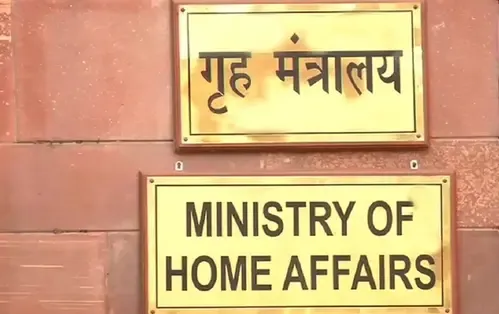
The Union Ministry of Home Affairs (MHA) has written to all states and UTs directing coordination with Delhi Police to block CJP supporters from reaching the capital.
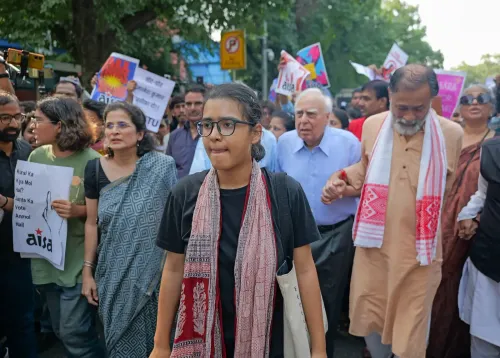
The Cockroach Janta Party (CJP) had called a protest at Jantar Mantar demanding the resignation of Chief Election Commissioner Gyanesh Kumar over alleged irregularities in the Special Intensive Revision (SIR) of electoral rolls.
Authorities have categorically rejected the CJP's request to hold the protest and formally prohibited the assembly.
The Home Secretary cited a 2018 Supreme Court order and flagged the CJP's alleged history of non-compliance and past property damage during mobilisations.
Several trains were cancelled amid heightened security arrangements, causing disruption to passengers across railway stations.
The MHA has ordered real-time intelligence sharing among state agencies, border authorities, and Delhi Police to prevent any unauthorised entry into the capital.
The Union Ministry of Home Affairs (MHA) has written to all states and Union Territories, directing them to coordinate with Delhi Police and take immediate preventive measures to stop supporters of the Cockroach Janta Party (CJP) from mobilising towards the national capital for a protest scheduled at Jantar Mantar on Saturday, 11 October 2025. The proposed demonstration was called to demand the resignation of Chief Election Commissioner (CEC) Gyanesh Kumar over alleged irregularities in the Special Intensive Revision (SIR) of electoral rolls.
What the MHA Directive Said
In its communication addressed to the Directors General of Police (DGPs) of all states and Union Territories, the Ministry stressed the need for immediate preventive action, citing alleged attempts by CJP supporters to enter Delhi without authorisation from different parts of the country — moves it described as potentially disturbing public peace and order.
The Ministry further called for continuous, real-time intelligence sharing among state and UT intelligence agencies, border and transit authorities, and Delhi Police to prevent any unauthorised mobilisation. Union Home Secretary drew specific attention to the potential consequences of the proposed gathering, characterising the planned mobilisation at Jantar Mantar as a matter with 'serious law and order and public order implications.'
Protest Formally Prohibited
The MHA communication stated that a request submitted on behalf of the CJP to hold the protest had been categorically rejected and the proposed assembly formally prohibited by authorities. The Home Secretary also cited a 2018 Supreme Court order, emphasising that established protocols governing assemblies in the designated area must be strictly followed.
'The Ministry views the maintenance of law and order and public order as a non-negotiable constitutional imperative. Strict and uncompromising execution of the above is solicited to uphold the rule of law,' the letter stated.
Past Conduct Flagged
The Ministry alleged that the CJP, along with its supporting political parties, organisations, and individuals, had a documented history of failing to comply with lawful directions during previous events. It stated that earlier mobilisations involving supporters arriving in Delhi from different states had resulted in disruptions to public order and damage to both public and private property.
According to the Ministry, credible intelligence inputs indicated that despite the formal prohibition, the organisation and its supporting groups may attempt to defy statutory orders and enter the capital from various states and UTs. 'Their past mobilisations from different states into Delhi resulted in significant disruptions of public order and damage to public/private property,' the letter noted.
Train Cancellations and Passenger Disruptions
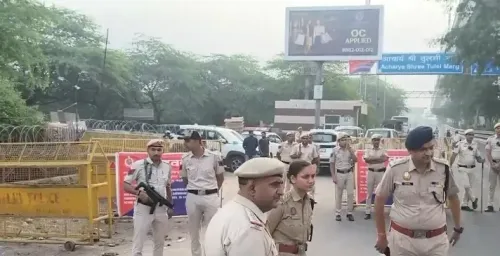
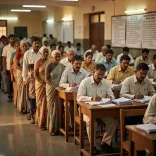
Amid unprecedented security arrangements put in place in view of the protest, several trains were cancelled, causing considerable inconvenience to passengers travelling to various destinations. Passengers at railway stations reported difficulties due to the last-minute cancellations, with some forced to alter their travel plans at short notice.
What Comes Next
The Centre has directed all states and UTs to operationalise immediate preventive measures 'within the framework of law' and to safeguard critical infrastructure. The scale of the security response — spanning inter-state coordination, real-time intelligence sharing, and train cancellations — signals that authorities are treating the potential gathering as a significant law and order challenge. Whether the CJP attempts to proceed despite the ban will determine how the situation unfolds in the coming hours.
Point of View
The 2018 Supreme Court order, and fundamental rights of assembly. The MHA's framing — invoking past property damage and 'credible intelligence' of defiance — is the standard playbook for pre-emptive action, but such intelligence claims rarely face scrutiny unless challenged in court. What is less often noted is the downstream cost: train cancellations affecting ordinary commuters who have nothing to do with the protest, a recurring externality that tends to be buried in law-and-order coverage. The demand itself — resignation of the Chief Election Commissioner over electoral roll revision — touches a live and contested democratic nerve, and suppressing the protest does not make that underlying grievance disappear.
NationPress
10 Oct 2026
Frequently Asked Questions
Why did the MHA direct states to stop CJP protesters from going to Delhi?
The MHA issued the directive because the CJP's planned protest at Jantar Mantar had been formally prohibited by authorities. The Ministry cited credible intelligence that CJP supporters intended to defy the ban and enter Delhi from multiple states, which it said could disrupt public order and damage property, based on alleged past incidents during similar mobilisations.
What was the CJP protest demanding?
The Cockroach Janta Party (CJP) called the Jantar Mantar demonstration to demand the resignation of Chief Election Commissioner Gyanesh Kumar. The party alleged irregularities in the Special Intensive Revision (SIR) of electoral rolls and wanted Kumar held accountable.
Was the CJP protest legally permitted?
No. Authorities formally rejected the CJP's request to hold the protest and prohibited the proposed assembly. The Home Secretary also referenced a 2018 Supreme Court order governing assemblies in the designated area to reinforce that the ban was legally grounded.
How were ordinary citizens affected by the security arrangements?
Several trains were cancelled amid heightened security measures put in place ahead of the protest. Passengers at railway stations reported disruption, with some compelled to change travel plans at very short notice.
What steps did the MHA ask states and UTs to take?
The MHA directed all states and UTs to coordinate with Delhi Police, operationalise immediate preventive measures under statutory powers, and ensure real-time intelligence sharing among state agencies, border and transit authorities, and Delhi Police to prevent any unauthorised mobilisation into the capital.