Mines Amendment Bill 2026 threatens Tamil Nadu's ₹2,265 crore mineral tax revenue, warns MP Vaiko
Synopsis
A central amendment passed in both Houses of Parliament in just two days could wipe out more than half of Tamil Nadu's mining department revenue — ₹2,265 crore out of ₹4,395 crore — by overriding a 2024 Supreme Court ruling that had explicitly backed states' right to tax mineral-bearing lands. MDMK's Vaiko is now pushing Tamil Nadu to take legal action.
Key Takeaways
Durai Vaiko (MDMK) warned on 15 August that the Mines and Minerals Amendment Bill, 2026 threatens Tamil Nadu's fiscal autonomy.
The Bill's new Section 9D restricts states from levying taxes on mineral rights and mineral-bearing lands.
Tamil Nadu earned ₹2,265 crore from mineral-bearing land tax in 2025-26 , out of total mining revenue of ₹4,395.68 crore .
A nine-judge Supreme Court Bench ruled in 2024 that states have the authority to tax mineral-bearing lands — a right the amendment reportedly negates.
The Bill was passed by Lok Sabha on 12 August and Rajya Sabha on 13 August , without referral to a Parliamentary Standing Committee.
Finance Minister Maria Wilson assured Vaiko that the C.
Joseph Vijay government would take suitable steps, including possible legal action.
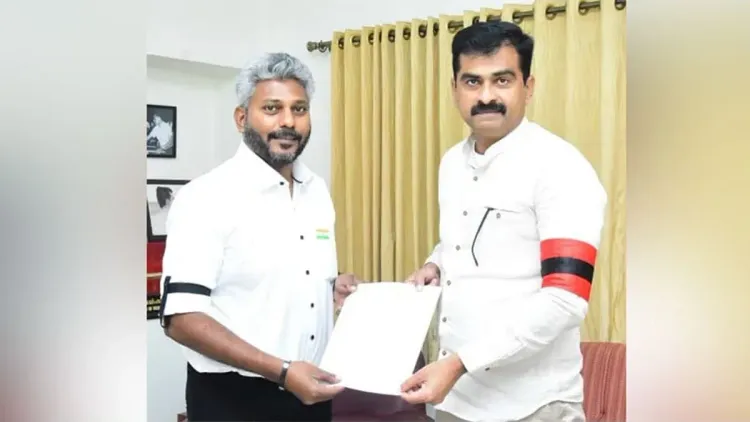
Lok Sabha MP and Marumalarchi Dravida Munnetra Kazhagam (MDMK) leader Durai Vaiko has warned that the Mines and Minerals (Development and Regulation) Amendment Bill, 2026, poses a direct threat to Tamil Nadu's fiscal autonomy and could disrupt a key revenue stream worth over ₹2,265 crore annually. The warning came on 15 August after Vaiko met Tamil Nadu Finance Minister Maria Wilson in Chennai to brief her on provisions of the legislation that he argues curtail the taxation powers of state governments.
What the Bill Does
The Bill, passed by the Lok Sabha on 12 August and the Rajya Sabha on 13 August, introduces a new Section 9D that restricts state governments from levying taxes on mineral rights and lands containing minerals. According to Vaiko, this provision could prevent states from collecting revenue and outstanding dues amounting to lakhs of crores of rupees — a sweeping rollback of fiscal powers that states had only recently exercised.
The Supreme Court Ruling at the Centre of the Dispute
The conflict has a direct constitutional backdrop. A nine-judge Bench of the Supreme Court ruled in 2024 that states hold the authority to impose taxes on mineral-bearing lands. Acting on that judgment, the Tamil Nadu government enacted the Tamil Nadu Mineral Bearing Land Tax Act, 2024, framed the relevant rules in 2025, and began collecting the tax from 4 April 2025. Critics argue the new central amendment effectively nullifies a Supreme Court-backed state right.
The Revenue at Stake
The financial exposure is significant. Of the ₹4,395.68 crore in total revenue generated by Tamil Nadu's Department of Geology and Mining during 2025-26, ₹2,265 crore — more than half — came from mineral-bearing land tax alone. If the amendment takes effect, this revenue stream could be severely disrupted, straining the state's fiscal position.
Opposition's Pushback in Parliament
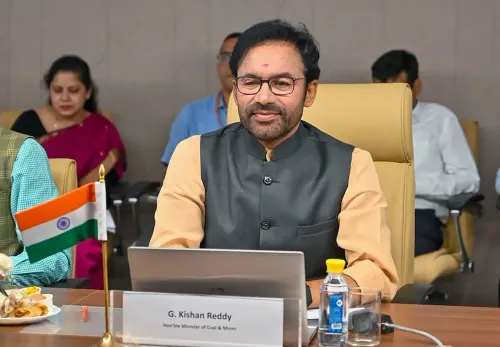
Vaiko said he and other Opposition MPs personally met Union Coal and Mines Minister G. Kishan Reddy and urged the Centre to refer the legislation to the Parliamentary Standing Committee for detailed scrutiny. They also demanded consultations with state governments before the Bill was taken up for passage. Vaiko had separately submitted an amendment to Lok Sabha Speaker Om Birla seeking the deletion of Section 9D to protect state taxation powers. The Union government, however, passed the Bill in both Houses without what the Opposition described as a comprehensive debate.
What Happens Next
Vaiko urged Finance Minister Maria Wilson to press the Centre to protect Tamil Nadu's financial rights and initiate appropriate legal action. Wilson reportedly assured him that the government led by Chief Minister C. Joseph Vijay would take suitable steps. The dispute is likely to escalate into a broader federal confrontation, with other mineral-rich states potentially joining Tamil Nadu's challenge to the amendment.
Point of View
On a Bill that directly overrides a nine-judge Supreme Court ruling, is an accountability gap that deserves scrutiny. The Centre's position implies that mineral taxation is a Union prerogative, but the Supreme Court said otherwise in 2024. If Tamil Nadu pursues litigation, the outcome could redefine Centre-state fiscal federalism for mineral-rich states well beyond the south — Jharkhand, Odisha, and Chhattisgarh are all watching.
NationPress
29 Sept 2026
Frequently Asked Questions
What is the Mines and Minerals Amendment Bill, 2026?
It is a central legislation passed by the Lok Sabha on 12 August and the Rajya Sabha on 13 August 2026, amending the Mines and Minerals (Development and Regulation) Act. Its new Section 9D restricts state governments from levying taxes on mineral rights and mineral-bearing lands, which critics say overrides a 2024 Supreme Court ruling backing states' taxation authority.
Why is Tamil Nadu concerned about the amendment?
Tamil Nadu earned ₹2,265 crore from mineral-bearing land tax in 2025-26, accounting for more than half of its mining department's total revenue of ₹4,395.68 crore. The amendment could cut off this revenue stream and challenge the state's fiscal autonomy.
What did the Supreme Court rule about states and mineral taxes?
A nine-judge Bench of the Supreme Court ruled in 2024 that states possess the authority to impose taxes on mineral-bearing lands. Tamil Nadu used this ruling to enact its own Mineral Bearing Land Tax Act in 2024 and began collecting the tax from 4 April 2025.
What steps did the Opposition take to block the Bill?
Opposition MPs, including Vaiko, met Union Coal and Mines Minister G. Kishan Reddy and demanded the Bill be referred to a Parliamentary Standing Committee and that state governments be consulted. Vaiko also submitted an amendment to Lok Sabha Speaker Om Birla seeking deletion of Section 9D. The government passed the Bill without accepting these demands.
What action is Tamil Nadu likely to take next?
Finance Minister Maria Wilson assured Vaiko that the government led by Chief Minister C. Joseph Vijay would take suitable steps, which Vaiko has indicated should include initiating appropriate legal action to protect the state's financial rights and constitutional powers.