Mizoram CM Lalduhoma Chairs MRMC Meet on High Court, Fiscal Reforms
Synopsis
Chief Minister Lalduhoma chaired a Mizoram Resource Mobilization Committee meeting on 23 June 2026, deliberating on a separate High Court for the state, stronger district administration, expenditure rationalisation, and enhanced revenue mobilisation — signalling a dual push for judicial autonomy and fiscal discipline.
Key Takeaways
CM Lalduhoma chaired the Mizoram Resource Mobilization Committee (MRMC) meeting on 23 June 2026 .
The committee discussed establishing a separate High Court for Mizoram , ending the state's dependence on the Gauhati High Court .
Strengthening district administration was flagged as a priority alongside judicial reform.
Rationalisation of state expenditure and enhancement of resource mobilisation formed the fiscal agenda of the meeting.
Mizoram has a narrow own-revenue base; the ZPM government has prioritised fiscal consolidation since taking office in December 2023 .
A formal High Court proposal would require Union Ministry of Law and Justice approval and parliamentary legislation.
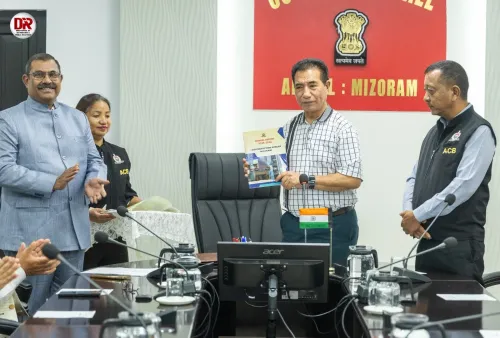
The Chief Minister's Office of Mizoram announced on Tuesday, 23 June 2026 that Chief Minister Lalduhoma chaired a meeting of the Mizoram Resource Mobilization Committee (MRMC), where members deliberated on four key governance priorities: establishing a separate High Court for Mizoram, strengthening district administration, rationalising state expenditure, and enhancing resource mobilisation.
Context
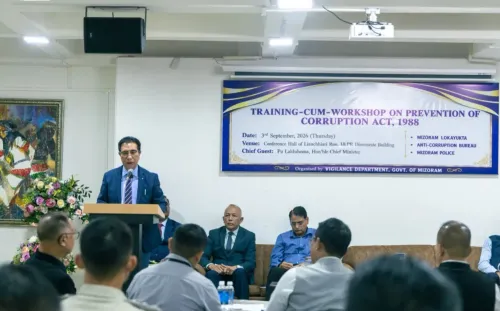
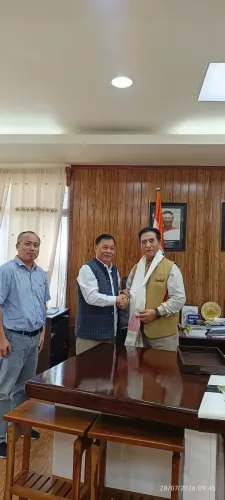
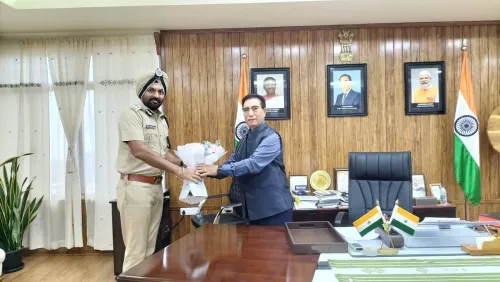
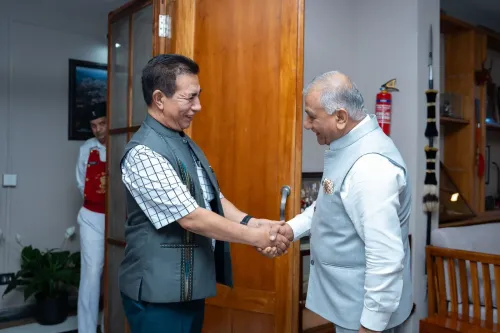
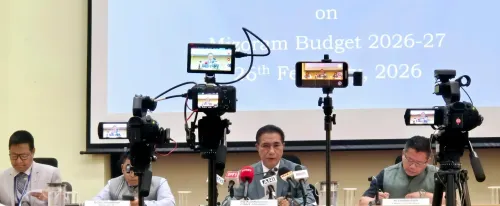
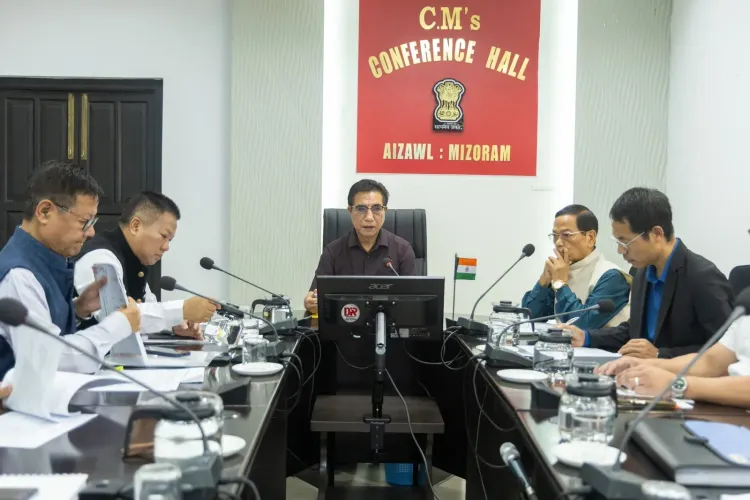
The MRMC is a state-level body mandated to review Mizoram's revenue options, expenditure controls, and institutional proposals. Tuesday's meeting placed four distinct governance challenges on the table simultaneously — a signal that the Zoram People's Movement (ZPM) government, in power since December 2023, is pressing ahead on both judicial and fiscal fronts. The Chief Minister's Office shared three images from the session, indicating an in-person, formal committee sitting.
The Push for a Separate High Court
Mizoram currently falls under the jurisdiction of the Gauhati High Court, which also serves several other northeastern states. Demands for a standalone Mizoram High Court have been voiced through state assembly resolutions and memoranda to the Union Ministry of Law and Justice since at least 2010, driven by concerns over the distance litigants must travel and delays in case disposal. The MRMC's fresh discussion on the subject suggests the state government may be preparing a formal proposal to the Centre, though no such submission has been confirmed publicly.
Northeastern states with smaller populations have long argued that shared High Courts dilute access to justice. A dedicated bench or full High Court in Aizawl would reduce the burden on the Gauhati court and bring judicial infrastructure closer to ordinary citizens in the state.
Fiscal Discipline and Resource Mobilisation
Mizoram has a narrow own-revenue base and depends heavily on central transfers and grants. Post-2023 state budget speeches had already flagged rationalisation of non-plan expenditure and augmentation of non-tax revenue as priority areas. The MRMC's mandate to 'rationalise expenditure' and 'enhance resource mobilisation' aligns directly with this fiscal consolidation agenda.
Strengthening district administration — the third agenda item — is linked to both goals: more efficient district offices can improve tax and fee collection at the grassroots while reducing administrative overhead. This dual emphasis on institutional autonomy and expenditure discipline mirrors a broader pattern seen across small northeastern states seeking to reduce dependence on New Delhi's fiscal transfers.
Stakeholders and Impact
The decisions emerging from this MRMC meeting will directly affect Mizoram's state judiciary, its district-level bureaucracy, and the state finance department. If a formal High Court proposal is advanced, it will require parliamentary legislation and the Union government's concurrence — making it a medium-to-long-term reform. Expenditure rationalisation measures, by contrast, can be implemented through executive orders and the annual budget process, offering quicker results for the state's fiscal position.
What's Next
Observers will watch for any formal communication from the Lalduhoma government to the Union Ministry of Law and Justice regarding a new High Court, as well as the state's resource-mobilisation targets in the next budget cycle. The MRMC's recommendations, once finalised, are expected to feed into both legislative proposals and administrative circulars. How swiftly the state translates committee deliberations into actionable policy will be a key test of the ZPM government's reform credentials heading into the second half of its term.
Point of View
A notably ambitious agenda for a state with limited administrative bandwidth. The High Court demand is not new, but its placement within a resource-mobilisation committee discussion suggests the government is framing judicial infrastructure as an economic and governance efficiency issue, not merely a legal one. This reframing could strengthen Mizoram's case before the Centre by tying judicial access to development outcomes. The meeting also reflects a wider northeastern trend of smaller states asserting administrative and judicial self-sufficiency as a counterweight to fiscal dependence on central transfers.
NationPress
22 Sept 2026
Frequently Asked Questions
Why does Mizoram want a separate High Court?
Mizoram currently falls under the Gauhati High Court, which serves multiple northeastern states. A separate High Court would reduce travel burdens for litigants, speed up case disposal, and bring judicial infrastructure closer to citizens in Aizawl and other parts of the state. The demand has been raised through assembly resolutions since at least 2010.
What is the Mizoram Resource Mobilization Committee (MRMC)?
The MRMC is a state-level committee tasked with reviewing Mizoram's revenue options, controlling expenditure, and evaluating institutional proposals. It advises the state government on fiscal strategy and resource generation.
Who is Lalduhoma, Mizoram's Chief Minister?
Lalduhoma is the Chief Minister of Mizoram, leading the Zoram People's Movement government that came to power in December 2023. His administration has focused on administrative reform, fiscal discipline, and institutional development.
How would Mizoram get its own High Court?
Establishing a separate High Court requires a formal proposal from the state government to the Union Ministry of Law and Justice, followed by parliamentary legislation. The Union government's concurrence is essential, making it a medium-to-long-term reform.
What are Mizoram's main fiscal challenges?
Mizoram has a narrow own-revenue base and relies heavily on central transfers and grants. The state government has prioritised rationalising non-plan expenditure and increasing non-tax revenue to reduce this dependence and improve fiscal sustainability.