PM Modi Congratulates Pashinyan on Civil Contract Poll Victory
Synopsis
Prime Minister Narendra Modi congratulated Armenian PM Nikol Pashinyan on 8 June 2026 on the Civil Contract party's parliamentary election victory, posting in Armenian on X. The gesture reflects India's deepening diplomatic and defence ties with Armenia as part of its extended neighbourhood policy.
Key Takeaways
PM Modi posted congratulations to Armenian PM Nikol Pashinyan on 8 June 2026 in the Armenian language on X.
Modi described the Civil Contract victory as an 'impressive' win reflecting the 'unwavering faith and trust' of the Armenian people.
India and Armenia established diplomatic relations in 1992 and signed a defence cooperation agreement in 2018 .
Civil Contract , founded by Pashinyan after the 2018 Velvet Revolution , had previously secured a majority in 2021 snap elections .
India has expanded military-technical ties with Armenia while maintaining a neutral stance on Yerevan's tensions with Azerbaijan and Turkey.
Possible bilateral meetings at SCO or UN General Assembly forums in 2026 may follow the renewed mandate.
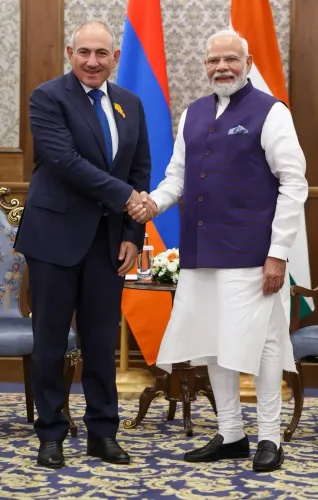
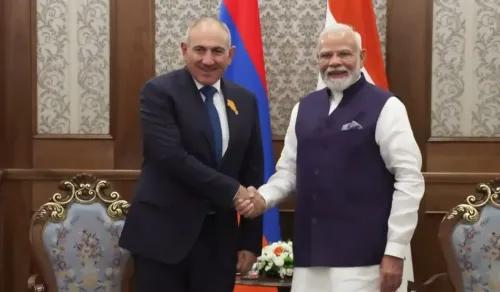
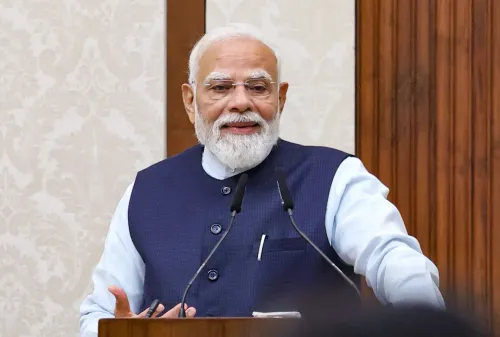
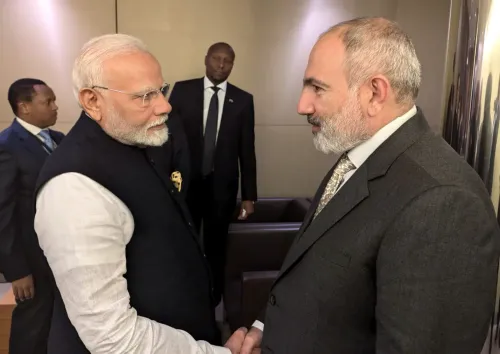
Prime Minister Narendra Modi on Monday, 8 June 2026, extended congratulations to Armenian Prime Minister Nikol Pashinyan following the impressive victory of the Civil Contract party in Armenia's parliamentary elections. Modi posted his message in Armenian on X, signalling a warm diplomatic gesture toward Yerevan at a significant political moment.
Writing in Armenian, Modi said: 'Շնորհավորում եմ պարոն Նիկոլ Փաշինյանին' ('I congratulate Mr. Nikol Pashinyan') on the 'impressive victory' of the Civil Contract party. He described the renewed mandate as reflecting the 'unwavering faith and trust of the people of Armenia' in Pashinyan's leadership and vision.
Context
Nikol Pashinyan has led Armenia since the landmark 2018 Velvet Revolution, which brought him to power on a wave of popular anti-corruption sentiment. His Civil Contract party subsequently secured a parliamentary majority in 2021 snap elections, and the latest electoral outcome extends that hold on power. The win represents a fresh public endorsement of Pashinyan's domestic and foreign policy direction.
Modi's choice to compose the congratulatory post in Armenian — rather than English or Hindi — is a deliberate diplomatic flourish, underscoring respect for Armenia's language and national identity. Such gestures have become a recognisable feature of India's outreach to smaller states in its extended neighbourhood.
Policy Backdrop
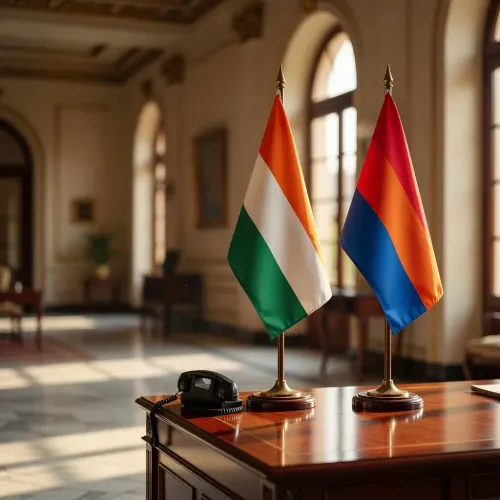
India and Armenia established diplomatic relations in 1992, shortly after Armenia declared independence following the dissolution of the Soviet Union. The two countries signed a defence cooperation agreement in 2018, and military-technical ties have expanded meaningfully since then, with India emerging as a notable supplier of defence equipment to Yerevan.
New Delhi's engagement with Armenia sits within its broader extended neighbourhood policy, which seeks to deepen bilateral interests across the South Caucasus and Eurasia. India has carefully avoided taking sides in Armenia's ongoing tensions with Azerbaijan and Turkey, instead prioritising direct bilateral channels — a balancing act that has allowed defence and trade ties to grow steadily.
Stakeholders and Impact
For the Armenian government, the congratulatory message from the leader of the world's most populous democracy carries diplomatic weight, reinforcing the legitimacy of the election outcome on the international stage. For India's Ministry of External Affairs, the post maintains momentum in a bilateral relationship that has gained strategic texture through defence cooperation.
The broader South Caucasus region watches India's engagement closely. New Delhi's willingness to deepen ties with Yerevan — even as it maintains working relationships with Baku and Ankara — reflects a multi-vector foreign policy that several regional actors find both useful and occasionally complex to navigate.
What's Next
With Pashinyan now holding a renewed parliamentary mandate, diplomatic observers will watch for possible bilateral meetings between Modi and the Armenian premier on the sidelines of upcoming multilateral forums, including SCO summits or the UN General Assembly sessions later in 2026. Defence contracts and trade expansion talks are among the practical areas where the relationship could deepen further.
India's consistent diplomatic signalling toward Armenia suggests that New Delhi views the South Caucasus not as a peripheral concern but as a meaningful node in its expanding Eurasian connectivity ambitions — and a renewed Pashinyan government offers a stable interlocutor for that agenda.
Point of View
And a fresh electoral mandate gives Pashinyan renewed authority to deepen external partnerships. For New Delhi, which has supplied defence equipment to Armenia and is expanding Eurasian connectivity, a stable and friendly government in Yerevan is a tangible strategic asset. The gesture fits a broader Modi-era pattern of personalised, language-sensitive outreach to leaders of smaller but strategically relevant states.
NationPress
22 Oct 2026
Frequently Asked Questions
Why did PM Modi congratulate Nikol Pashinyan in Armenian?
Modi posted his congratulations in Armenian as a diplomatic gesture of respect for Armenia's language and national identity, a practice consistent with India's personalised outreach to leaders of smaller strategic partner states.
What is the Civil Contract party in Armenia?
Civil Contract is the ruling political party in Armenia founded by Prime Minister Nikol Pashinyan, which rose to prominence after the 2018 Velvet Revolution and secured a parliamentary majority in 2021 snap elections.
What are India-Armenia relations like?
India and Armenia established diplomatic relations in 1992. The two countries signed a defence cooperation agreement in 2018 and have since expanded military-technical ties, with India emerging as a notable defence supplier to Yerevan.
Does India take sides in the Armenia-Azerbaijan conflict?
India has maintained a neutral stance on Armenia's tensions with Azerbaijan and Turkey, prioritising direct bilateral interests and avoiding alignment with either side, which has allowed defence and trade ties with Armenia to grow steadily.
Could Modi and Pashinyan meet after the Armenian elections?
Diplomatic observers are watching for possible bilateral meetings at multilateral forums such as SCO summits or the UN General Assembly sessions later in 2026, where defence and trade talks could advance further.