PM Modi Congratulates Pashinyan on Armenia Election Win

Synopsis
Prime Minister Narendra Modi congratulated Armenian PM Nikol Pashinyan on the Civil Contract Party's parliamentary election win on 8 June 2026, reaffirming India's commitment to close bilateral ties with Armenia across defence, trade, and diplomacy.
Key Takeaways
PM Modi congratulated Nikol Pashinyan on 8 June 2026 following the Civil Contract Party 's victory in Armenia's parliamentary elections .
Pashinyan has led Armenia since 2018 ; his party previously won a parliamentary majority in 2021 .
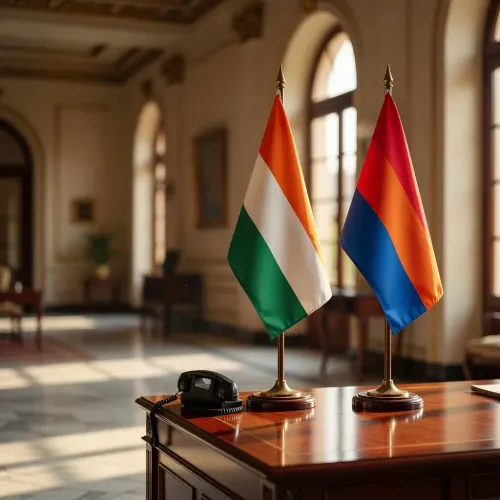
India and Armenia established diplomatic relations in 1992 and have since expanded ties in defence, trade, and culture.
India maintains a balanced engagement across the South Caucasus , including with Azerbaijan and Georgia .
Modi 's message signals intent to deepen the bilateral partnership under Pashinyan 's re-elected government.
Upcoming SCO and BRICS summits are likely venues for further India-Armenia engagement.
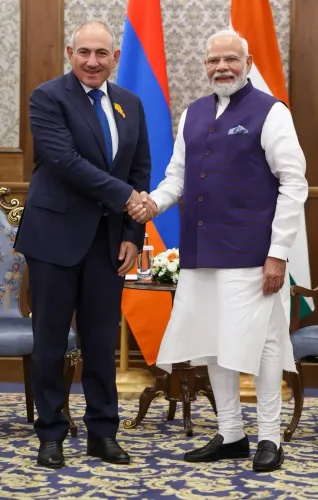
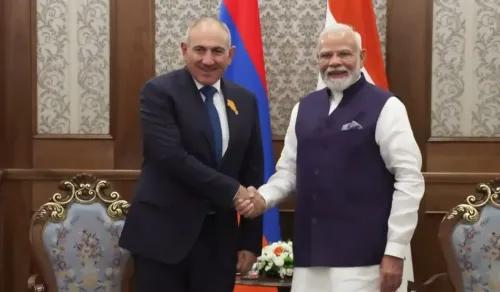
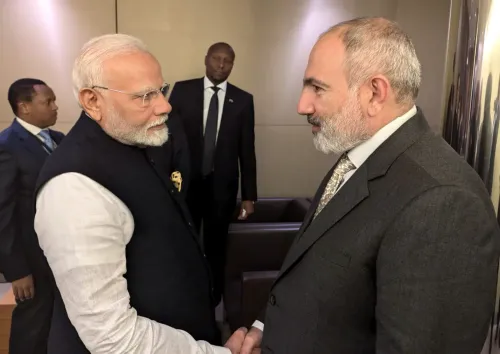
Prime Minister Narendra Modi on Monday, 8 June 2026, extended congratulations to Armenian Prime Minister Nikol Pashinyan following the victory of the Civil Contract Party in Armenia's parliamentary elections, expressing confidence in continued bilateral cooperation.
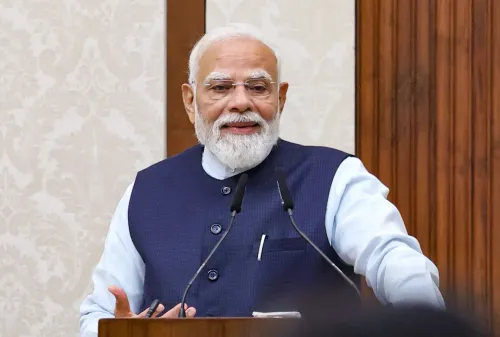
In his post on X, Modi wrote: 'Congratulations to Mr. Nikol Pashinyan on the impressive victory of the Civil Contract Party in the parliamentary elections. The renewed mandate reflects the enduring trust and confidence of the people of Armenia in your leadership and vision. I look forward to working closely.'
Context
Nikol Pashinyan has led Armenia as Prime Minister since 2018, when a popular movement brought him to power. His Civil Contract Party had previously secured a parliamentary majority in 2021, running on a platform of democratic reform and anti-corruption. The latest election result represents a renewed mandate from Armenian voters, reinforcing Pashinyan's continued hold on the country's political landscape.
Armenia, a South Caucasus republic, established diplomatic relations with India in 1992. The two countries have maintained regular high-level contacts, including meetings between Modi and Pashinyan on the margins of multilateral summits.
Policy Backdrop
India has steadily expanded its engagement with Armenia as part of a broader outreach to the South Caucasus region, with cooperation spanning defence exports, trade, and cultural ties. New Delhi's approach reflects a balanced regional posture — maintaining simultaneous engagement with Armenia, Azerbaijan, and Georgia.
The Indian Ministry of External Affairs has treated the South Caucasus as a corridor of strategic interest, particularly in the context of connectivity projects and diversified defence partnerships. Modi's swift congratulatory message signals New Delhi's intent to sustain and deepen this engagement under Pashinyan's re-elected government.
Stakeholders and Impact
For the Armenian government, the message from one of the world's most populous democracies carries diplomatic weight, particularly as Yerevan navigates complex regional dynamics involving Russia, the European Union, and its neighbours. India's non-aligned posture makes it a valued partner for Armenia.
On the Indian side, defence industry stakeholders and trade bodies stand to benefit from a stable, election-validated counterpart in Yerevan. Bilateral defence cooperation has grown in recent years, with Armenia emerging as a notable buyer of Indian-manufactured military equipment.
What's Next
The phrase 'I look forward to working closely' in Modi's post signals an expectation of active bilateral engagement in the coming months. Analysts will watch for follow-up diplomatic visits, new defence or trade agreements, and joint statements at upcoming multilateral forums including the SCO and BRICS summits.
With Pashinyan securing a fresh mandate, the institutional continuity in Yerevan is likely to accelerate ongoing negotiations and deepen the India-Armenia strategic partnership into new areas of cooperation.
Point of View
Not mere courtesy — it affirms New Delhi's strategic interest in a stable, reform-oriented Armenia at a time when the South Caucasus remains geopolitically contested. The reference to 'working closely' suggests ongoing or pipeline deliverables, likely in defence supply chains where India has emerged as a credible alternative partner for Yerevan. This fits a broader Modi-era foreign policy pattern of personalised outreach to leaders of smaller but strategically located nations, using bilateral warmth to underpin commercial and security interests. The timing — immediately after the election result — also positions India ahead of Western and Russian competitors in signalling post-election engagement.
NationPress
22 Oct 2026
Frequently Asked Questions
Why did PM Modi congratulate Nikol Pashinyan in June 2026?
PM Modi congratulated Nikol Pashinyan because his Civil Contract Party won Armenia's parliamentary elections, securing a renewed mandate from Armenian voters. Modi expressed confidence in continued bilateral cooperation between India and Armenia.
What is the Civil Contract Party of Armenia?
The Civil Contract Party is the ruling Armenian political party founded and led by Prime Minister Nikol Pashinyan. It came to power in 2018 and won a parliamentary majority in 2021 on a platform of democratic reform and anti-corruption.
What are India-Armenia relations like?
India and Armenia established diplomatic relations in 1992. Bilateral ties have grown steadily, covering defence exports, trade, and cultural cooperation. India has emerged as a notable supplier of defence equipment to Armenia in recent years.
Does India sell weapons to Armenia?
Yes, India has supplied defence equipment to Armenia, which has become a significant buyer of Indian-manufactured military hardware. This defence relationship is a key pillar of the broader India-Armenia bilateral partnership.
Where does India-Armenia cooperation stand in 2026?
As of 2026, India and Armenia cooperate across defence, trade, and diplomacy. India maintains a balanced engagement across the South Caucasus region, and Modi's congratulatory message to Pashinyan signals intent to deepen ties under his re-elected government.