PM Modi Calls Armenian PM, Thanks Him for Iran Evacuation Aid
Synopsis
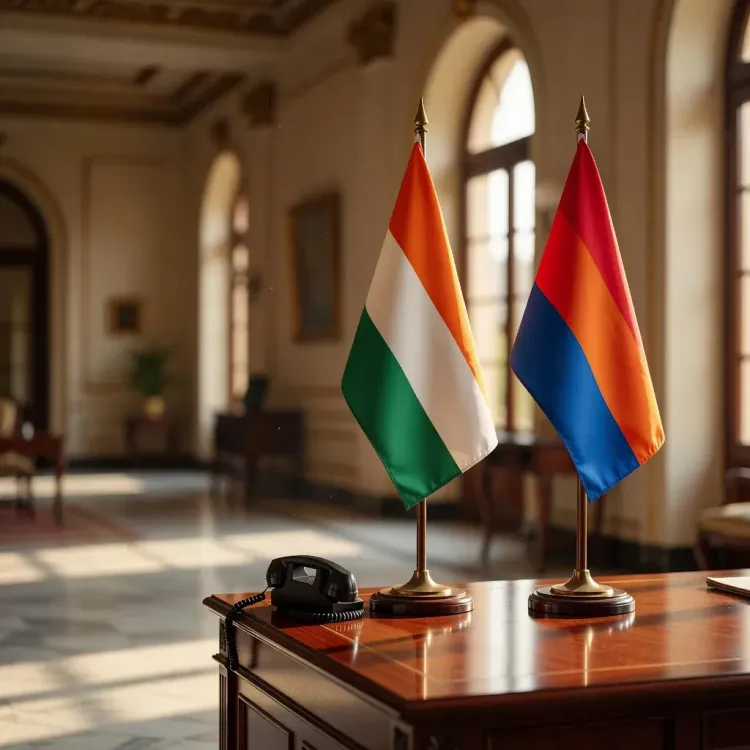
Prime Minister Narendra Modi spoke with Armenian PM Nikol Pashinyan on June 24, 2026, congratulating him on his party's parliamentary election victory and thanking Armenia for facilitating the evacuation of Indian nationals stranded in Iran, reinforcing growing India-Armenia ties.
Key Takeaways
PM Modi called Armenian PM Nikol Pashinyan on June 24, 2026 , in a bilateral phone conversation.
Modi congratulated Pashinyan and his Civil Contract party on their victory in Armenia's parliamentary elections .
Armenia facilitated the evacuation of Indian nationals stranded in Iran , for which Modi extended formal thanks.
India and Armenia have maintained diplomatic relations since 1992 , with defence ties deepening significantly in 2022–2023 .
The call reflects India's broader multi-alignment strategy and its use of personal diplomacy for consular support in third-country crises.
Follow-up bilateral defence or connectivity agreements and coordination at SCO forums are expected next steps.
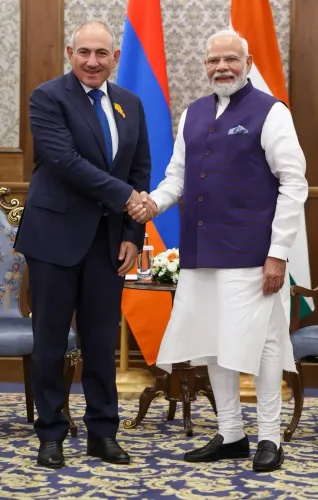
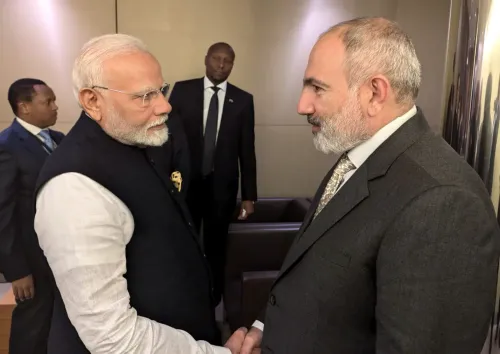
Prime Minister Narendra Modi on Wednesday, June 24, 2026, spoke with Armenian Prime Minister Nikol Pashinyan over phone, congratulating him on his party's victory in Armenia's recently held parliamentary elections and thanking him for facilitating the evacuation of Indian nationals stranded in Iran.
Context
In his post on X, Modi said he was 'delighted to receive a phone call' from Pashinyan and extended congratulations to him and his party on their electoral win. He also acknowledged Armenia's role in helping Indian citizens exit Iran amid prevailing regional tensions that left nationals stranded and in need of third-country assistance.
The call underscores the personal diplomatic rapport the two leaders have built over several years, including meetings on the sidelines of multilateral forums such as the Shanghai Cooperation Organisation (SCO).
Policy Backdrop
India and Armenia established formal diplomatic relations in 1992 following Armenia's independence from the Soviet Union. The bilateral relationship gained significant momentum in 2022–2023 when New Delhi supplied Yerevan with defence equipment — including Pinaka multi-barrel rocket systems — as Armenia navigated tensions with Azerbaijan.
India has a well-documented practice of leveraging diplomatic relationships with neighbouring or third countries to facilitate citizen evacuations from conflict-affected zones. Operation Ganga in 2022, which repatriated thousands of Indian students from Ukraine through countries like Romania, Hungary, and Poland, is a prominent precedent. Armenia's facilitation role in the Iran evacuation follows this established consular model.
Stakeholders and Impact
The most immediate beneficiaries of the diplomatic exchange are the Indian nationals who were stranded in Iran and have since been evacuated with Armenian assistance. The Indian diaspora and student or worker communities in West Asia and the Caucasus region watch such developments closely as an indicator of the government's consular responsiveness.
For Armenia, the call from one of the world's most prominent leaders following an electoral victory carries diplomatic weight. Yerevan has been actively seeking to diversify its partnerships beyond its traditional dependence on Russia, and India's engagement positions New Delhi as a credible, neutral partner in a region contested by Turkey, Azerbaijan, and Russia.
Pashinyan's Civil Contract party has led Armenia since the 2018 Velvet Revolution. An electoral win consolidates his mandate and signals continuity in the foreign policy orientation that has drawn Yerevan closer to New Delhi in recent years.
What's Next
The phone call is likely to set the stage for deeper bilateral engagement. Follow-up steps could include defence or connectivity agreements and coordinated positions at upcoming multilateral platforms such as the SCO or BRICS-adjacent dialogues where Armenian and Indian interests may intersect.
India's growing footprint in the South Caucasus — through defence supplies, diplomatic outreach, and consular cooperation — reflects its broader Eurasian connectivity and multi-alignment strategy. The Iran evacuation episode is expected to further cement the case for institutionalising such bilateral crisis-response mechanisms.
Point of View
Not merely a recipient of defence exports. By publicly acknowledging Yerevan's role in the Iran evacuation, New Delhi elevates a transactional consular favour into a visible diplomatic asset, reinforcing Armenia's value as a South Caucasus node. This fits a deliberate pattern: India has used citizen-rescue operations — from Operation Ganga to Gulf evacuations — as soft-power moments that simultaneously demonstrate state capacity and deepen bilateral goodwill. The timing, immediately after an Armenian electoral win, also positions India as among the first major non-Western democracies to affirm Pashinyan's renewed mandate, a gesture Yerevan will register as it continues to rebalance away from Moscow.
NationPress
23 Sept 2026
Frequently Asked Questions
Why did PM Modi call Armenian PM Pashinyan?
PM Modi called Pashinyan on June 24, 2026, to congratulate him on his party's victory in Armenia's parliamentary elections and to thank him for facilitating the evacuation of Indian nationals who were stranded in Iran.
How did Armenia help India with the Iran evacuation?
Armenia facilitated the safe passage or exit of Indian nationals who were stranded in Iran amid regional tensions, acting as a third-country partner in the evacuation effort, similar to how neighbouring countries assisted during Operation Ganga in Ukraine in 2022.
What is the relationship between India and Armenia?
India and Armenia established diplomatic relations in 1992. Ties strengthened considerably in 2022–2023 when India supplied Armenia with defence equipment including Pinaka rocket systems amid Armenia-Azerbaijan tensions, making New Delhi an important security partner for Yerevan.
Who is Nikol Pashinyan?
Nikol Pashinyan is the Prime Minister of Armenia, in office since 2018 following the Velvet Revolution. He leads the Civil Contract party, which recently won parliamentary elections in Armenia in 2026.
What is India's evacuation policy for citizens abroad?
India has an established practice of using diplomatic channels and third-country facilitation to evacuate Indian nationals from conflict or crisis zones. Operation Ganga in 2022, which repatriated students from Ukraine through neighbouring European countries, is the most prominent recent example of this approach.