Modi's DBT vision for Bengal: No leakage, no cut-money, PM tells diaspora
Synopsis
Speaking to the Indian diaspora in Jakarta, PM Modi turned a simple audience question into a sharp political statement: his vision for West Bengal is DBT without leakage or cut-money — a direct rebuke of the alleged corruption culture that defined 15 years of TMC rule and a public benchmark for the new BJP government under Suvendu Adhikari.
Key Takeaways
PM Narendra Modi addressed the Indian diaspora in Jakarta, Indonesia on 7 July .
He declared his vision for West Bengal as Direct Benefit Transfer (DBT) with no leakage and no cut-money.
The remarks were an implicit reference to corruption allegations against the Trinamool Congress (TMC) government that ruled Bengal from 2011 to 2026 .
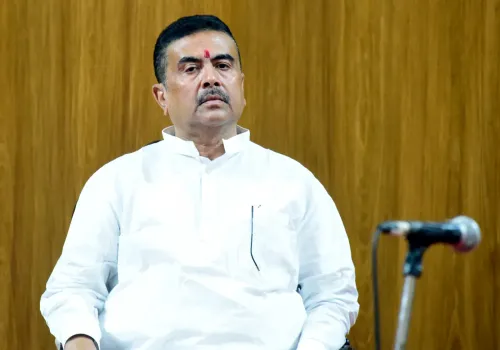
The BJP, now in power in Bengal under Chief Minister Suvendu Adhikari , has pledged to eliminate the alleged cut-money system.
Modi had raised the cut-money issue repeatedly at West Bengal assembly election rallies prior to this address.
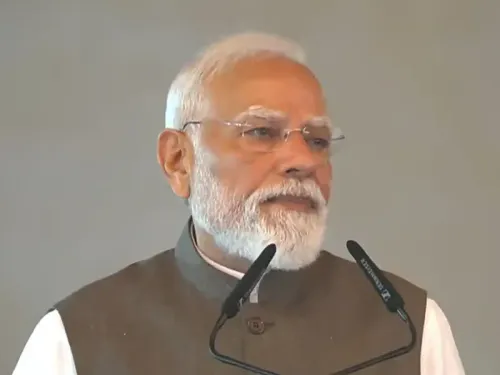
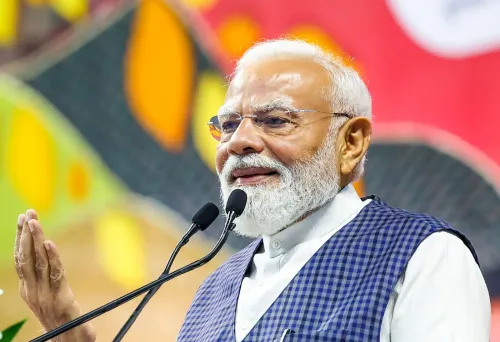
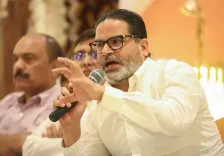
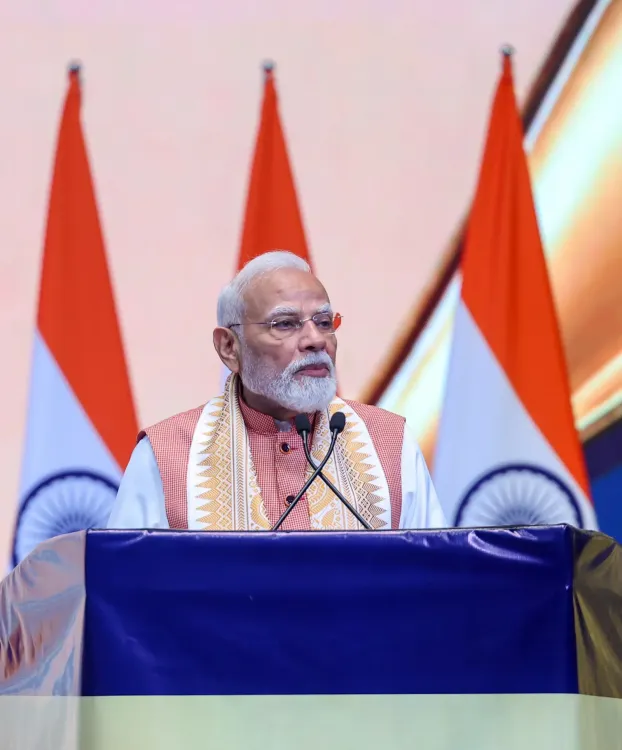
Prime Minister Narendra Modi, addressing the Indian diaspora in Jakarta, Indonesia on Monday, 7 July, made a pointed reference to the alleged culture of corruption and “cut-money” in West Bengal, using a question from the audience to articulate his vision for the state under a Bharatiya Janata Party (BJP) government: direct benefit transfers with zero leakage.
What Modi Said
Elaborating on the merits of the Direct Benefit Transfer (DBT) system — under which financial benefits from government welfare schemes are credited directly to beneficiaries’ bank accounts — Modi said the mechanism is designed to be foolproof. When an audience member asked him about his vision for West Bengal, he gave a direct answer: “Direct Benefit Transfer, no leakage, no cut-money.”
The remark was widely read as an implicit indictment of the All India Trinamool Congress (TMC) government that ruled the state from 2011 to 2026 under former Chief Minister Mamata Banerjee, during which large-scale allegations of corruption in the distribution of centrally-sponsored welfare funds were repeatedly raised.
The Cut-Money Controversy in Bengal
The term “cut-money” refers to the alleged practice of local political functionaries demanding a share of welfare scheme payouts before passing benefits on to intended recipients. Critics, including the BJP, have long accused TMC leaders and ministers of systematically enabling such leakages across 15 years of governance.
Notably, Modi had raised this issue repeatedly at election rallies ahead of the recently concluded West Bengal assembly elections, accusing TMC functionaries of using these leakages to enrich themselves personally. His Jakarta remarks extended that political argument to an international platform.
The BJP’s Bengal Pledge
With the BJP now in power in West Bengal under Chief Minister Suvendu Adhikari, Modi’s diaspora address served as a public commitment: that the new state government would dismantle the alleged cut-money infrastructure and ensure DBT flows reach beneficiaries without diversion. Officials have not yet outlined a specific timeline or verification mechanism for this pledge.
Broader Context
The DBT framework, rolled out progressively by the Centre since 2013, covers schemes ranging from cooking gas subsidies to scholarship disbursements and MGNREGS wages. The Centre has credited DBT with preventing significant fund diversion at the national level, though independent assessments have noted uneven implementation across states.
Whether West Bengal’s new administration can operationalise the same rigour — and how quickly — will be closely watched by both welfare recipients and political observers in the state.
Point of View
Grievance redress, and political will to act against party workers who benefit from diversion. Modi’s vision statement is politically potent; the execution under Adhikari will determine whether it becomes a governance record or another unfulfilled promise.
NationPress
6 Oct 2026
Frequently Asked Questions
What did PM Modi say about West Bengal in his Jakarta speech?
PM Modi said his vision for West Bengal is Direct Benefit Transfer with no leakage and no cut-money, responding to a question from an audience member at an Indian diaspora event in Jakarta on 7 July. The remark was widely seen as a rebuke of alleged corruption under the previous TMC government.
What is cut-money in the context of West Bengal politics?
Cut-money refers to the alleged practice of political functionaries demanding a percentage of welfare scheme payouts from beneficiaries before releasing funds. The BJP has accused TMC leaders and local workers of institutionalising this practice across 15 years of governance in West Bengal.
Who is now the Chief Minister of West Bengal?
Suvendu Adhikari of the BJP is the Chief Minister of West Bengal following the party’s victory in the recently concluded state assembly elections, ending 15 years of Trinamool Congress rule under Mamata Banerjee.
What is the Direct Benefit Transfer system that Modi referenced?
Direct Benefit Transfer (DBT) is a Centre-run mechanism that credits financial benefits from government welfare schemes directly into beneficiaries’ bank accounts, bypassing intermediaries. It was introduced progressively from 2013 and covers schemes ranging from gas subsidies to scholarships and wages.
Why did Modi raise the West Bengal corruption issue at an overseas event?
Modi was responding to a direct question from an Indian diaspora member in Jakarta about his vision for West Bengal. His answer — DBT with no leakage or cut-money — extended a central theme of the BJP’s recent West Bengal election campaign to an international platform.