PM Modi pushes women's quota ahead of Delimitation Bill session
Synopsis
After losing the April vote, Modi is going on the offensive. His X post casts the women's quota as a test of national interest over party interest, days before a revised Delimitation Bill that could expand the Lok Sabha to 850 seats. The Opposition still wants a Census first.
Key Takeaways
PM Narendra Modi reaffirmed his commitment to women's reservation in an X post on 29 November 2026 .
The 131st Constitutional Amendment Bill failed to secure a two-thirds majority in the Lok Sabha in April .
The Union Cabinet approved the revised measures on 27 November ; the Lok Sabha reconvenes on 30 November and the Rajya Sabha on 2 December .
The plan proposes a uniform 50% rise in seats, which could take the Lok Sabha to as many as 850 members .
Seat distribution among states would stay frozen until the first Census after 2051 .
The aim is one-third reservation for women by the 2029 general elections; the Opposition wants a fresh Census first.
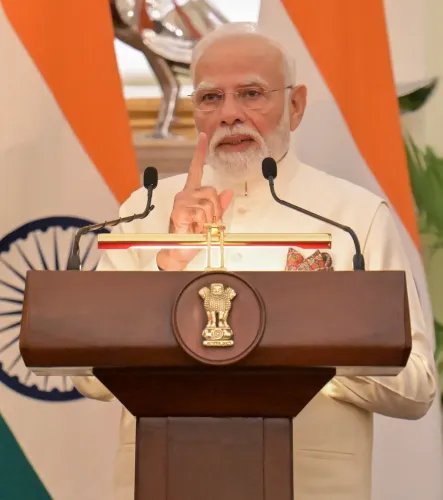
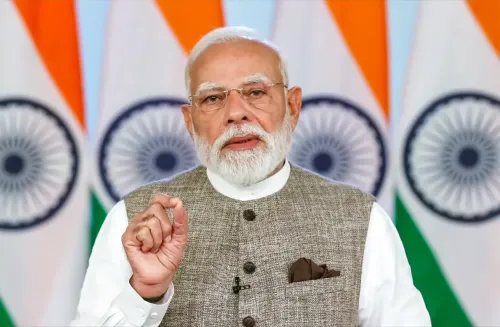
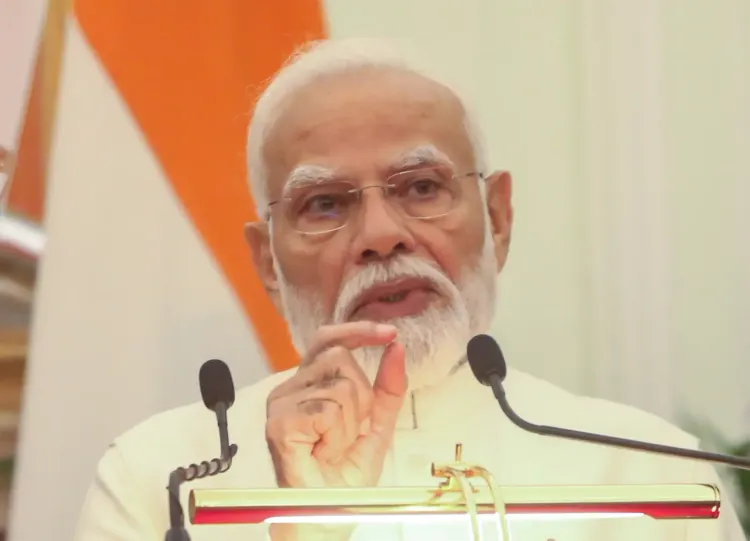
Prime Minister Narendra Modi on Sunday, 29 November 2026, reaffirmed his government's commitment to women's reservation in a post on X. His remarks come as the Centre prepares to introduce the revised Delimitation Bill in the upcoming Special Session of Parliament in New Delhi. Modi said India's growth must reflect the aspirations of women, and he accused unnamed rivals of putting party interests above the national interest.
The post signals a renewed political push. Months earlier, the Centre's first attempt to advance the legislation collapsed in the Lok Sabha.
Key Developments
Modi shared a clip from one of his earlier speeches on the Women's Reservation Bill, captioned: “India's progress, the soaring dreams of women's power.” In the video, he recalls the decades-long effort to secure greater participation for women in political and decision-making processes.
“The struggle to ensure the participation of women has been ongoing for decades; I, too, have been among those striving for this cause for years,” Modi said in the clip.
The Union Cabinet approved the revised measures on 27 November. The Lok Sabha is scheduled to reconvene on 30 November, and the Rajya Sabha will meet on 2 December.
What the Prime Minister Said
Modi took a pointed swipe at the Opposition in the video. “The commitment of the BJP and the NDA to empower women remains steadfast. For us, the national interest is paramount. However, when, for some, the interests of their political party become everything -- surpassing the national interest -- it is the women of this country, and the national interest itself, that have to pay the price,” he said.
“The Nari Shakti Vandan Adhiniyam is the need of the hour. Our resolve is unshakeable; for the sake of the dreams of half our population and for the future of our nation, we must fulfil this commitment,” he added.
The Earlier Setback and the Revised Proposal
This is the Centre's second attempt this year. In April, the 131st Constitutional Amendment Bill fell short of the two-thirds special majority it needed in the Lok Sabha.
Under the revised framework, the government proposes a uniform 50 per cent increase in seats in the Lok Sabha and state Legislative Assemblies across all states and Union Territories. The expansion could take the Lok Sabha's strength to as many as 850 members.
The proposal would also freeze the relative distribution of seats among states until the first Census conducted after 2051. The stated aim is to keep the existing balance between states while increasing the overall number of elected representatives.
The delimitation exercise and the rotation of reserved constituencies that follows are meant to enable one-third reservation for women in the Lok Sabha and state Assemblies by the 2029 general elections.
Opposition Concerns
The National Democratic Alliance (NDA) has presented the legislation as a way to speed up women's representation and modernise the size of parliamentary and Assembly constituencies. Opposition parties, however, have objected to carrying out delimitation without a fresh Census and to altering the country's electoral structure.
They have also demanded that the existing women's reservation law be implemented. Notably, the Nari Shakti Vandan Adhiniyam was enacted in 2023, but its rollout was linked to a future Census and delimitation.
What Happens Next
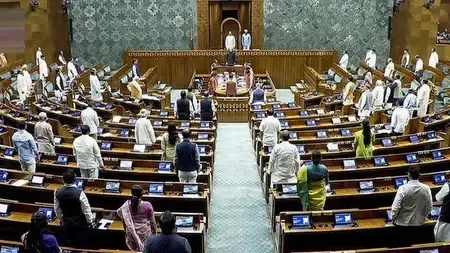
The revised package will need a special majority again, so the Centre must win over at least some Opposition parties to avoid a repeat of the April defeat. All eyes will be on the floor of the House when Parliament reconvenes on 30 November.
Point of View
Presenting the vote as women versus party politics. That framing obscures the real fault line: delimitation without a fresh Census, and the political weight of states in a vastly larger Lok Sabha. Freezing seat shares until after 2051 is a clear attempt to calm southern anxieties, but it also postpones a reckoning rather than resolving it. If the women's quota truly is the priority, the Opposition's question deserves an answer: why not implement the 2023 law without tying it to a constitutional overhaul?
NationPress
29 Nov 2026
Frequently Asked Questions
What did PM Modi say about women's reservation on 29 November 2026?
In a post on X, Modi said India's progress must reflect the dreams of women. He called the Nari Shakti Vandan Adhiniyam the need of the hour, and he accused some parties of placing party interests above the national interest.
What is the revised Delimitation Bill?
It proposes a uniform 50 per cent increase in Lok Sabha and Assembly seats, which could take the Lok Sabha to as many as 850 members. Relative seat shares among states would stay unchanged until the first Census after 2051, and the plan aims to enable one-third reservation for women by 2029.
Why did the earlier bill fail?
The 131st Constitutional Amendment Bill fell short of the required two-thirds special majority in the Lok Sabha in April this year. That defeat prompted the Centre to bring a revised package.
When will Parliament take up the revised bill?
The Lok Sabha reconvenes on 30 November and the Rajya Sabha on 2 December for the Special Session. The Union Cabinet approved the revised measures on 27 November.
Why is the Opposition opposing the delimitation plan?
Opposition parties object to carrying out delimitation without a fresh Census and to changing the country's electoral structure. They want the existing women's reservation law implemented instead.