Rajnath Singh urges DIAT Pune to become modern-day Takshashila
Synopsis
Rajnath Singh wants DIAT Pune to stop following and start leading. At its 15th Convocation, he called for a modern-day Takshashila that builds future-battlefield technologies in AI, quantum and directed energy — declaring that a nation that leads in technology also leads in security.
Key Takeaways
Defence Minister Rajnath Singh addressed DIAT Pune's 15th Convocation on 29 November 2026 .
He urged DIAT to emerge as a modern-day “Takshashila” leading global defence technology.
Singh cited AI , quantum computing , autonomous systems and directed-energy systems as transforming warfare.
He called for deeper ties with the military, global universities and industry.
Singh linked DIAT's role to the Viksit Bharat@2047 vision and welcomed growing participation of women in defence research.
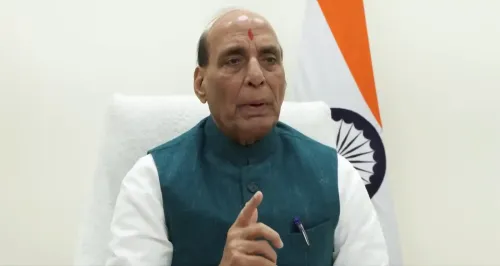
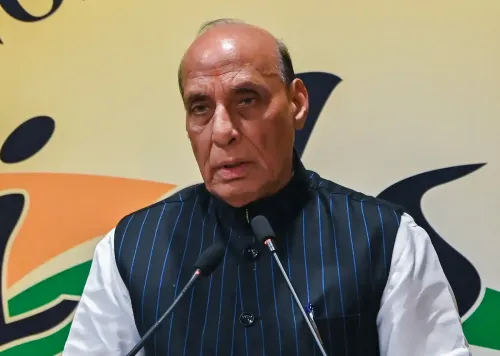
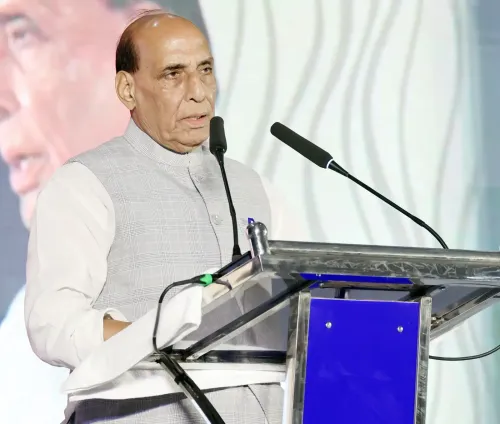
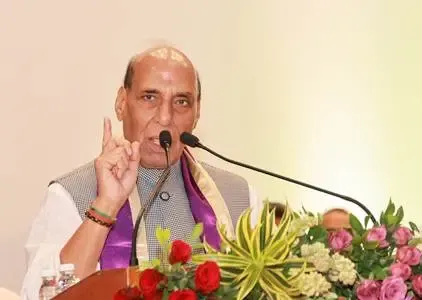
Defence Minister Rajnath Singh on Sunday, 29 November 2026, urged the Defence Institute of Advanced Technology (DIAT) in Pune to emerge as a modern-day “Takshashila” that leads the world in defence technology. Addressing the institute's 15th Convocation, Singh said DIAT should drive advanced research, innovation and indigenous solutions to India's security challenges. He framed technological leadership as central to national security.
Key Developments at the DIAT Convocation
Singh said rapid advances in artificial intelligence, machine learning, quantum computing, autonomous systems, advanced materials, cybersecurity, space-based capabilities and directed-energy systems have fundamentally transformed the nature of warfare.
He stressed that the challenge before the country was not only to develop new technologies but also to understand, adopt and harness them quickly in line with national interests.
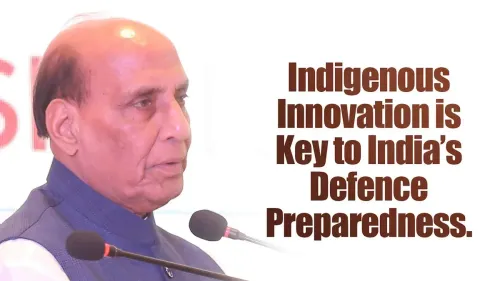
“DIAT must move beyond being a participant in these technological disruptions and emerge as a leader in developing technologies for the future battlefield,” the Defence Minister said.
Military Strength and Science as Twin Pillars
Singh described military strength and scientific capability as two interdependent pillars of national power. While the armed forces protect the country's sovereignty and territorial integrity, he said, science and technology drive economic growth, industrial development and self-reliance.
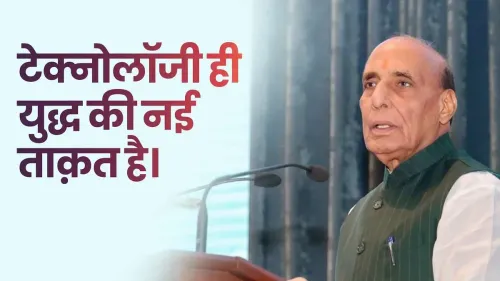
“A nation that leads in technology also leads in security; and those who excel in security are better able to firmly safeguard their independence, sovereignty and development,” he said.
Notably, the invocation of Takshashila, the ancient centre of learning, signals the government's ambition to position Indian defence institutions as global knowledge hubs rather than followers of foreign technology.
Civilian Spin-offs from Defence Research
The Defence Minister highlighted that innovations developed for military applications often find wider use in civilian sectors, including healthcare, agriculture, communications and transportation.
He said even a modest research initiative undertaken in a laboratory today could eventually provide a new tool to a farmer, an innovative solution to a doctor or a life-saving technology to a soldier.
Call for Deeper Collaboration
Calling for stronger collaboration across the defence research ecosystem, Singh said DIAT should deepen engagement with the military, promote interdisciplinary research, strengthen partnerships with leading global universities and expand industry collaborations.
He added that the institute had the potential to serve as a vital bridge connecting advanced education, scientific research and national security.
Role in Viksit Bharat@2047
Singh underlined DIAT's role in achieving the vision of 'Viksit Bharat@2047' by strengthening India's defence technology ecosystem and scientific capabilities. This comes amid the Centre's sustained push for self-reliance in defence manufacturing and research.
He also expressed satisfaction over the growing participation of women in advanced science, engineering and defence technology, saying their contribution would further bolster the country's defence research landscape.
With the minister setting a clear leadership mandate, attention will now turn to how DIAT translates this vision into partnerships, research output and battlefield-ready indigenous technologies in the years ahead.
Point of View
But ambition has rarely been India's defence-research problem — conversion has. Institutes like DIAT produce talent and papers, yet the pipeline from lab to deployed system remains slow and dependent on a handful of public-sector producers. The call for industry and global university partnerships is overdue; the real test is whether funding, procurement timelines and IP rules are reformed to let those partnerships deliver. Without that, 'leader in future battlefield technology' stays a convocation line rather than an operational reality.
NationPress
29 Nov 2026
Frequently Asked Questions
What did Rajnath Singh say at the DIAT convocation?
Rajnath Singh urged the Defence Institute of Advanced Technology in Pune to emerge as a modern-day Takshashila that leads the world in defence technology. He said DIAT must move beyond being a participant in technological disruptions and lead in developing technologies for the future battlefield.
Which technologies did Rajnath Singh say are transforming warfare?
Singh listed artificial intelligence, machine learning, quantum computing, autonomous systems, advanced materials, cybersecurity, space-based capabilities and directed-energy systems. He said these have fundamentally transformed the nature of warfare.
How does defence research benefit civilians, according to Rajnath Singh?
Singh said innovations developed for military use often find wider application in healthcare, agriculture, communications and transportation. He noted that even a modest lab project could eventually help a farmer, a doctor or a soldier.
How is DIAT linked to Viksit Bharat@2047?
Singh said DIAT has a role in achieving the Viksit Bharat@2047 vision by strengthening India's defence technology ecosystem and scientific capabilities.