Modi gifts Ganga Jal, Ramayana art to Nepal PM Balendra Shah
Synopsis
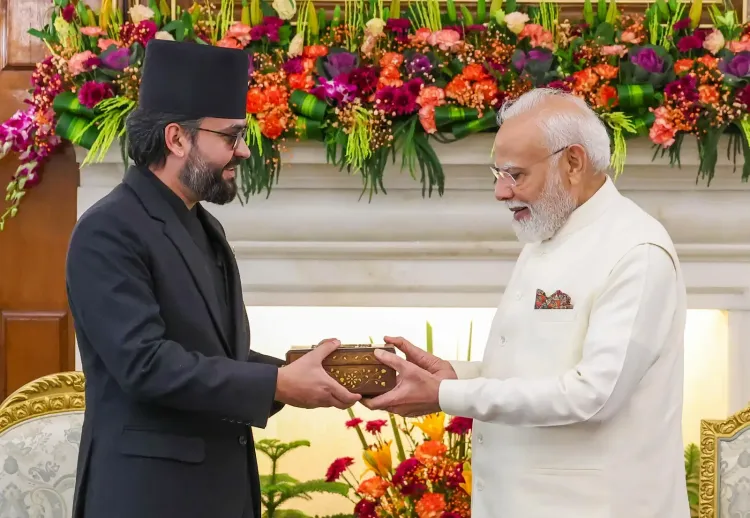
Ganga Jal from Kashi, Banarasi silk and a hand-painted Ramayana were among Prime Minister Narendra Modi's gifts to Nepali Prime Minister Balendra Shah during his state visit to India.
Key Takeaways
Prime Minister Narendra Modi presented three gifts to Nepali Prime Minister Balendra Shah during his state visit to India .
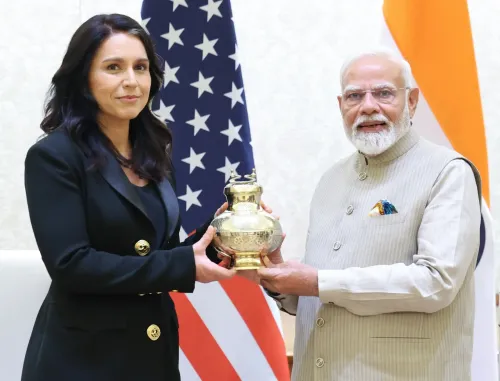
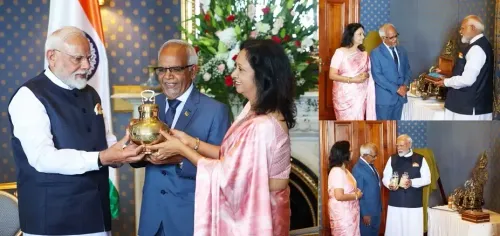
The Ganga Jal from Kashi was presented in a brass urn.
A Banarasi brocade silk stole from Varanasi was presented in a Sadeli box from Gujarat .
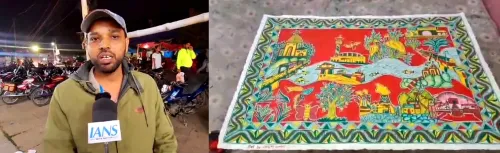
The Kalamkari Sampoorna Ramayana painting was hand-painted on cotton in the Srikalahasthi style of Andhra Pradesh .
The gifts referenced links between Kashi and Kathmandu , and between Ayodhya and Janakpur .
Prime Minister Narendra Modi presented Ganga Jal from Kashi, a Banarasi brocade stole and a Kalamkari Ramayana painting to Nepali Prime Minister Balendra Shah on Monday, 23 November, during Shah's state visit to India. The gifts draw on religious and artistic traditions shared across the two countries.
The offerings included water from the Ganga in a brass urn, the silk stole in a Sadeli box and a hand-painted depiction of the Ramayana. The source did not specify the venue of the presentation or the year of the visit.
Ganga Jal and the Kashi-Kathmandu connection
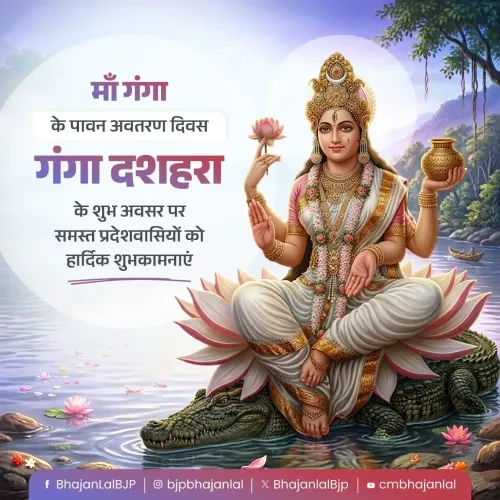
The Ganga Jal was presented in an intricately crafted brass urn. The water came from the Ganga near the Kashi Vishwanath Temple, according to the account of the gifts.
The offering was described as a symbol of purity, devotion and divine blessings, reflecting a spiritual connection between Baba Vishwanath of Kashi and Lord Pashupatinath of Kathmandu. Both are revered manifestations of Lord Shiva.
That connection gives the gift significance beyond the urn itself: it brings together places of worship in India and Nepal in a gesture presented as an expression of peace, prosperity and spiritual unity.
Banarasi silk presented in a Sadeli box
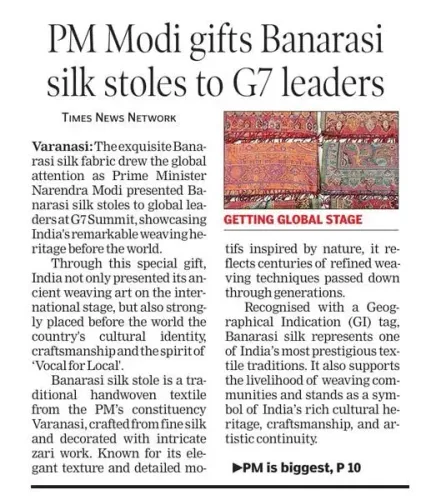
Modi also gave Shah a Banarasi brocade silk stole from Varanasi. Made by skilled master weavers, the stole features intricate motifs and shimmering zari work.
It was presented in a Sadeli box from Gujarat, distinguished by geometric inlay and traditional woodworking. Together, the textile and its box brought craftsmanship from two Indian regions into a single gift.
The pairing highlighted generational craft traditions as well as the religious themes represented in the other offerings. The source did not provide details of the artisans who made the individual pieces.
Ramayana painting links Ayodhya and Janakpur
The Kalamkari Sampoorna Ramayana painting depicts major episodes in Lord Rama's journey, from his birth and exile to his victory over Ravana and return to Ayodhya.
Hand-painted on cotton in the Srikalahasthi style of Andhra Pradesh, the work was made using a bamboo pen, known as a kalam, and natural dyes. Its subject and technique bring together storytelling, devotion and traditional craftsmanship.
The painting was also presented as a reflection of the connection between Ayodhya, associated with Lord Rama, and Janakpur, revered as the birthplace of Goddess Sita. That association places a shared religious narrative at the centre of the gift.
Significance of the state visit gifts
The three gifts emphasised different aspects of the relationship between India and Nepal: sacred geography, artisanal traditions and a shared cultural narrative. Their presentation took place during Shah's state visit to India.
The account of the gifts did not set out any agreements, policy announcements or further engagements from the visit. Any broader outcomes of the visit will depend on what the two sides announce separately.
Point of View
But it should not be mistaken for evidence of progress on the substantive issues between the two countries. The more meaningful measure of the visit will be the outcomes the two governments announce and implement.
NationPress
23 Nov 2026
Frequently Asked Questions
What did Modi gift Nepal PM Balendra Shah?
Modi presented Shah with Ganga Jal from Kashi in a brass urn, a Banarasi brocade silk stole in a Sadeli box, and a Kalamkari Sampoorna Ramayana painting. The gifts were presented during Shah's state visit to India.
Why was Ganga Jal from Kashi included in the gifts?
The Ganga Jal was presented as a symbol of purity, devotion and the spiritual connection between Kashi and Kathmandu. Baba Vishwanath and Lord Pashupatinath are both revered as manifestations of Lord Shiva.
What does the Kalamkari Ramayana painting show?
The painting depicts major episodes in Lord Rama's journey, including his birth, exile, victory over Ravana and return to Ayodhya. It was hand-painted on cotton in the Srikalahasthi style using a bamboo pen and natural dyes.
Where were the Banarasi stole and Sadeli box from?
The brocade silk stole was from Varanasi, while the Sadeli box was from Gujarat. The stole features motifs and zari work, and the box has geometric inlay.
What happened after the gifts were presented?
The source did not specify any subsequent engagements or agreements from the visit. Any further outcomes would need to be confirmed through separate announcements.