Dr. Jitendra Singh highlights PM Modi's push for green tech partnerships
Synopsis
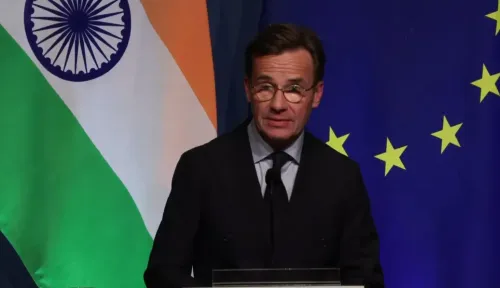
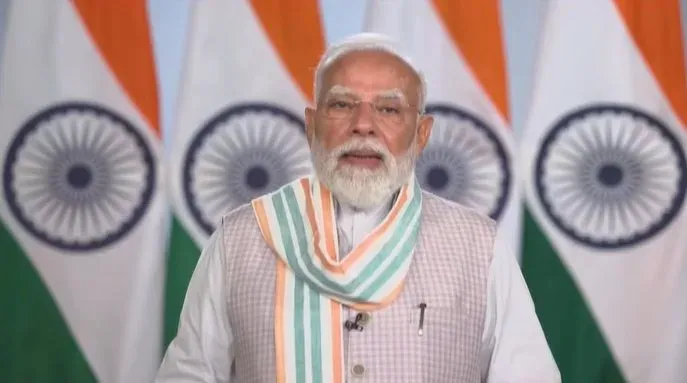
Union Minister Dr. Jitendra Singh amplified PM Modi's remarks on India's expanding clean energy, critical minerals, and green hydrogen partnerships with Sweden, Norway, and Italy, framing them as gateways to a new economy and future clean manufacturing industries.
Key Takeaways
Jitendra Singh shared PM Modi's remarks on India's green technology partnerships on 23 May 2026 .
India is deepening cooperation with Sweden , Norway , and Italy in clean energy, critical minerals, green hydrogen, and sustainable manufacturing.
The National Green Hydrogen Mission , approved in January 2023 , is a central pillar of India's domestic green transition strategy.
India has committed to reaching net-zero emissions by 2070 , announced at COP26 in Glasgow .
These European partnerships aim to secure critical mineral supply chains and technology transfer for India's clean manufacturing ambitions.
Progress on joint research projects and memoranda of understanding with the three countries is expected at upcoming bilateral summits.
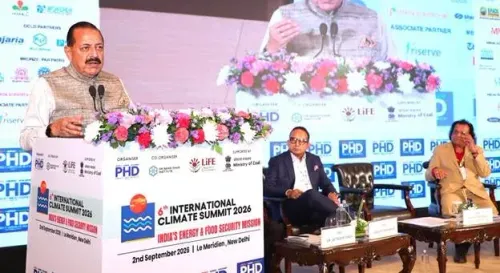
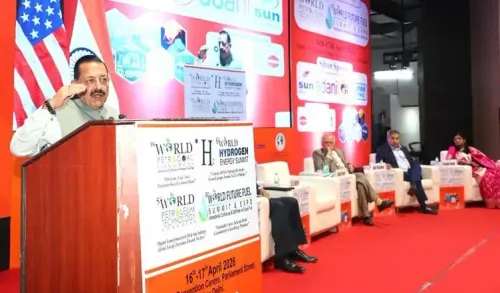
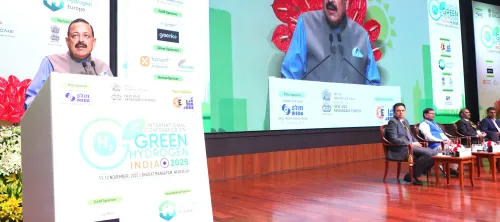
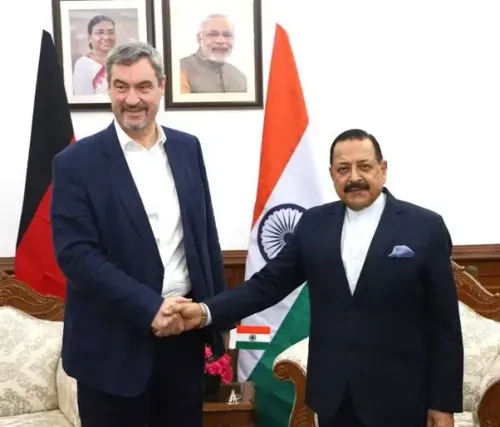
Union Science and Technology Minister Dr. Jitendra Singh on Saturday, 23 May 2026, shared remarks attributed to Prime Minister Narendra Modi highlighting India's expanding cooperation with Sweden, Norway, and Italy in clean energy, critical minerals, green hydrogen, and sustainable manufacturing.
Context
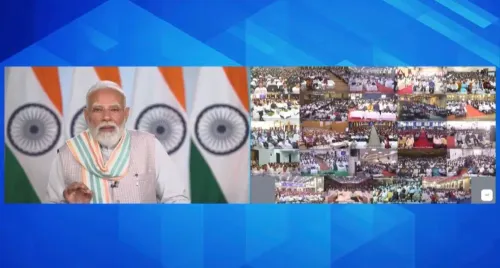
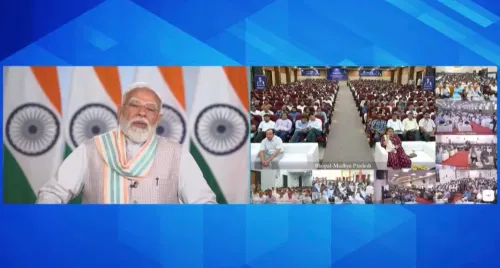
The post quotes PM Modi observing that sectors such as clean energy, critical minerals, green hydrogen, and sustainable manufacturing are advancing rapidly. In his words: 'इनसे जुड़ी partnership एक नई economy के... new opportunities के दरवाजे खोल रही हैं' — 'Partnerships in these areas are opening the doors to a new economy and new opportunities.'
Dr. Jitendra Singh, who coordinates between the Prime Minister's Office and key science ministries, amplified these remarks as part of a broader communication effort around India's green transition agenda.
Policy Backdrop
India's engagement with European nations on green technology sits within a well-established policy framework. The country announced its net-zero emissions target by 2070 at COP26 in Glasgow in 2021, and the National Green Hydrogen Mission was approved by the Union Cabinet in January 2023, committing significant resources to scale the production, storage, and use of green hydrogen domestically.
The International Solar Alliance, co-launched by India and France in 2015, and the upgraded India-EU Clean Energy and Climate Partnership from 2016 laid the diplomatic groundwork for the kind of bilateral technology cooperation now being extended to Sweden, Norway, and Italy. These partnerships are designed to help India secure critical mineral supply chains and advanced manufacturing know-how essential for its clean energy ambitions.
India has simultaneously pursued production-linked incentive schemes to attract investment in sectors such as solar modules, electrolysers, and battery storage — positioning itself as a clean manufacturing hub for the global green economy.
Stakeholders and Impact
Renewable energy firms, industrial manufacturers, and critical mineral processors stand to benefit directly from deepened cooperation with the three European nations. Sweden brings established expertise in sustainable technology and industrial decarbonisation; Norway contributes strengths in ocean economy, hydropower, and renewable energy project finance; and Italy offers industrial manufacturing capabilities aligned with EU green standards.
For Indian industry, these partnerships could accelerate technology transfer, open export pathways for clean-manufactured goods, and reduce dependence on single-source critical mineral suppliers — a priority underscored repeatedly under the G20 and Quad frameworks on supply-chain resilience.
What's Next
Upcoming bilateral summits between India and its European partners are expected to yield progress reports on joint research projects and potential memoranda of understanding covering critical minerals and green hydrogen. Any follow-up budget allocations or regulatory frameworks that operationalise these partnerships will be closely watched by industry and climate policy observers.
As India moves to strengthen its position in future clean manufacturing industries, the pace and depth of these European collaborations will serve as a key indicator of whether the country can translate diplomatic intent into industrial capacity ahead of its 2070 net-zero commitment.
Point of View
Positioning India as a clean manufacturing destination. The explicit naming of Sweden, Norway, and Italy suggests a targeted diversification of green technology partnerships beyond India's traditional partners. This fits a broader pattern of using multilateral climate commitments as leverage to attract industrial investment and technology transfer from advanced economies. The timing, ahead of expected bilateral summits, suggests the government is building a public narrative around green diplomacy to accompany policy announcements.
NationPress
7 Oct 2026
Frequently Asked Questions
What did PM Modi say about India's green energy partnerships?
PM Modi stated that partnerships in clean energy, critical minerals, green hydrogen, and sustainable manufacturing are opening doors to a new economy and new opportunities, with cooperation growing with countries like Sweden, Norway, and Italy.
Which countries is India partnering with for green technology?
India is expanding green technology and sustainable manufacturing cooperation with Sweden , Norway , and Italy , according to remarks shared by Union Minister Dr. Jitendra Singh on 23 May 2026.
What is India's National Green Hydrogen Mission?
The National Green Hydrogen Mission is a central government programme approved by the Union Cabinet in January 2023 to scale the production, storage, and use of green hydrogen across India.
What is India's net-zero emissions target?
India has committed to achieving net-zero emissions by 2070 , a target announced by PM Modi at the COP26 climate summit in Glasgow in 2021 .
Why is India focusing on critical minerals partnerships with Europe?
India is pursuing critical mineral partnerships with European nations to reduce dependence on single-source suppliers, secure supply chains for clean energy technologies, and strengthen its position as a global clean manufacturing hub.