PM Modi prays to Chhathi Maiya on Chhath Puja's final day, Usha Arghya marks end
Synopsis
PM Modi marked the final day of Chhath Puja 2026 by praying to Chhathi Maiya for the well-being of all fasting devotees and describing the festival as a 'wonderful confluence' of resolve and spirituality — as millions nationwide stood in water at sunrise to perform Usha Arghya, one of Hinduism's most demanding and distinctive folk observances.
Key Takeaways
PM Narendra Modi extended greetings on the final day of Chhath Puja on 16 November 2026 .
Modi posted on X , calling the festival a 'wonderful confluence of firm resolve and spiritual practice.' He prayed to Chhathi Maiya for blessings on all fasting devotees and his 'family members across the country.' Usha Arghya — the offering of prayers to the rising Sun — marked the culmination of the four-day festival.
Devotees concluded the fast by consuming Prasad after seeking blessings from family elders.
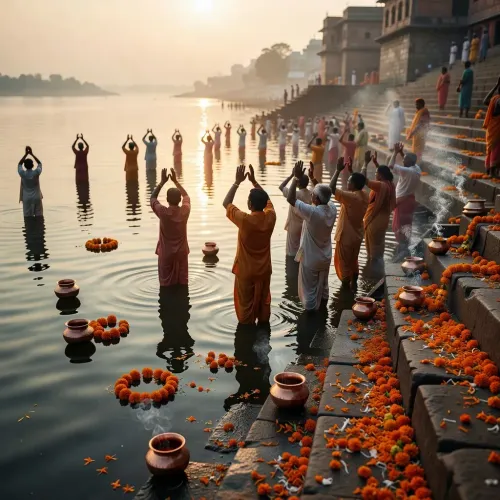
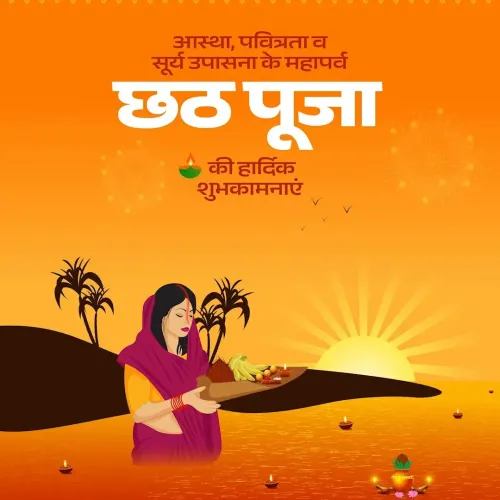
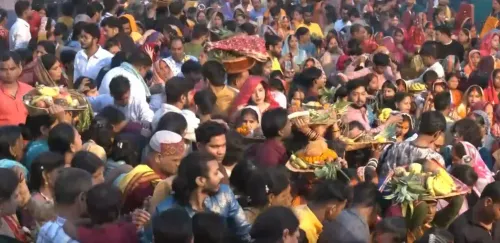
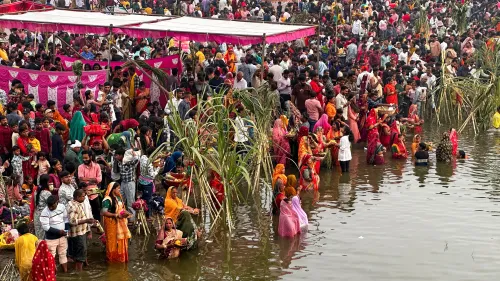
Prime Minister Narendra Modi on Monday, 16 November 2026, extended warm greetings to the nation on the concluding day of Chhath Puja, describing the four-day festival as a 'wonderful confluence' of firm resolve and spirituality. Millions of devotees gathered at ghats, riverbanks, and ponds across India to perform Usha Arghya — the sacred offering of prayers to the rising Sun — bringing the festival to a close.
Modi's Message to the Nation
Taking to social media platform X, Prime Minister Modi shared a heartfelt message with devotees. 'With the offering of arghya to the rising sun, the four-day ritual of the great festival of Chhath concluded today. This divine festival dedicated to nature witnessed a wonderful confluence of firm resolve and spiritual practice,' he wrote.
He added: 'I pray to Chhathi Maiya to bestow her blessings on all the devotees observing the fast, as well as on my family members across the country.' The message reflects the significance Modi attaches to the festival, which commands deep cultural resonance across Bihar, Uttar Pradesh, Jharkhand, and among the Indian diaspora worldwide.
The Significance of Usha Arghya
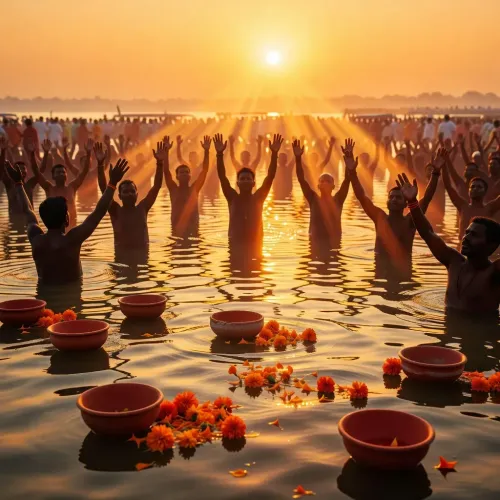
Usha Arghya is one of the most spiritually charged rituals of Chhath Puja, symbolising the welcoming of a new dawn and the honouring of the rising Sun's energy. It follows Sandhya Arghya, performed on Sunday evening, which is an expression of gratitude to the setting Sun. Together, the two rituals encapsulate Chhath's distinctive tradition of venerating both phases of the Sun's daily journey — a practice unique among major Hindu festivals.
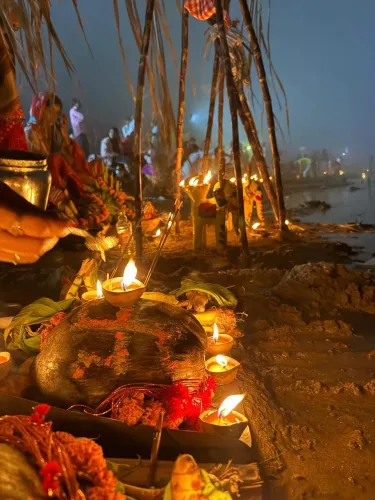
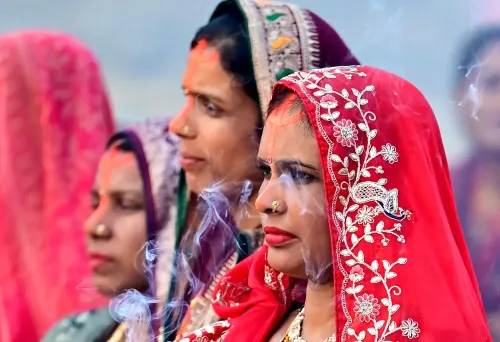
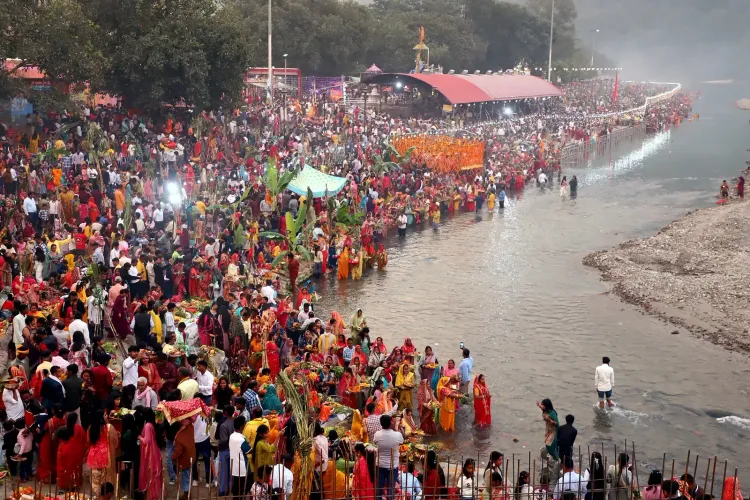
Devotees stood in water at sunrise, offering water and milk to Lord Surya while chanting prescribed prayers. Traditional Chhath songs filled the ghats as families gathered in the early hours, creating a devotional atmosphere marked by deep discipline and community spirit.
How the Festival Concludes
Upon completing Usha Arghya, devotees offer prayers to Chhathi Maiya — the folk goddess associated with the festival — seeking blessings for the health and prosperity of their families. The person observing the rigorous fast then seeks blessings from elder family members before breaking the fast by consuming Prasad, in accordance with individual family traditions.
According to religious belief, offering prayers to the Sun God and Chhathi Maiya on this day is considered especially auspicious and is said to bring happiness, prosperity, and good health to the household. The fast itself is observed with strict discipline — no food or water is consumed for extended periods, making its conclusion a moment of both spiritual and physical relief for devotees.
Scale and Reach
Chhath Puja is among India's most widely observed folk festivals, drawing participation from communities across the country and abroad. Ahead of the final rituals, civic authorities in several cities — including New Delhi, Patna, and Varanasi — made extensive arrangements at ghats to manage the large footfall. The festival's reach has grown steadily over the years, with Chhath celebrations now a fixture in cities far from its traditional heartland in the Gangetic plain.
With Usha Arghya now complete, Chhath Puja 2026 formally draws to a close, with devotees returning home after one of the most demanding — and revered — religious observances in the Indian calendar.
Point of View
And the Prime Minister's consistent, personal-toned outreach on folk festivals is a studied part of his cultural connect strategy. The phrasing 'my family members across the country' is a recurring rhetorical device that conflates the personal and the national. While the sentiment is genuine to many devotees, the timing and platform choice — a public X post on the festival's most-watched morning — underscore that cultural messaging and political signalling are rarely separate in Indian public life.
NationPress
16 Nov 2026
Frequently Asked Questions
What did PM Modi say on the final day of Chhath Puja 2026?
PM Modi posted on X on 16 November 2026, calling Chhath Puja a 'wonderful confluence of firm resolve and spiritual practice' and praying to Chhathi Maiya to bestow blessings on all fasting devotees and his 'family members across the country.' He marked the conclusion of the four-day festival as the Usha Arghya rituals were performed nationwide.
What is Usha Arghya and why is it significant?
Usha Arghya is the ritual offering of prayers to the rising Sun, performed on the final morning of Chhath Puja. It symbolises welcoming the new dawn and completes the festival's distinctive cycle of venerating both the setting Sun (Sandhya Arghya) and the rising Sun — making Chhath unique among major Hindu observances.
How is the Chhath Puja fast broken?
After completing the Usha Arghya and offering prayers to Chhathi Maiya, the person observing the fast seeks blessings from elder family members and then breaks the fast by consuming Prasad, in accordance with family tradition. The fast is known for its strict discipline, including extended periods without food or water.
Which states celebrate Chhath Puja most widely?
Chhath Puja has its traditional heartland in Bihar, Uttar Pradesh, and Jharkhand in the Gangetic plain, but is now widely observed in cities across India and among the Indian diaspora abroad. Major ghats in New Delhi, Patna, and Varanasi see especially large gatherings during the festival.
What is the religious significance of Chhath Puja?
Chhath Puja is dedicated to Lord Surya (the Sun God) and Chhathi Maiya, a folk goddess associated with the festival. According to religious belief, offering prayers on these days brings happiness, prosperity, and good health to the family. The festival is marked by strict fasting, ritual bathing, and offerings at water bodies at both sunset and sunrise.