PM Modi: Somnath Temple's 1951 restoration proclaimed India's spirit of independence
Synopsis
At the Somnath Amrut Mahotsav marking 75 years of the temple's reconstruction, PM Modi declared that the 1951 consecration was as momentous as India's 1947 independence — framing Sardar Patel's restoration effort as a civilisational proclamation, not merely a religious act. The address blended spiritual devotion with a pointed historical argument about India's cultural resurgence.
Key Takeaways
PM Modi attended the Somnath Amrut Mahotsav in Gir Somnath, Gujarat on 11 May 2025 , marking 75 years of the temple's restoration.
Modi declared that the 1951 consecration of Somnath was the "proclamation of India's spirit of independence," complementing political freedom achieved in 1947 .
Sardar Vallabhbhai Patel led the reconstruction effort; the temple was inaugurated by President Dr Rajendra Prasad in 1951 .
Modi released a commemorative stamp and coin honouring the temple's legacy at the event.
Religious ceremonies including Jalabhishek , Maha Puja , Dhwaj Pooja , and Kumbhabhishek — using holy water from 11 pilgrimage sites — were performed.
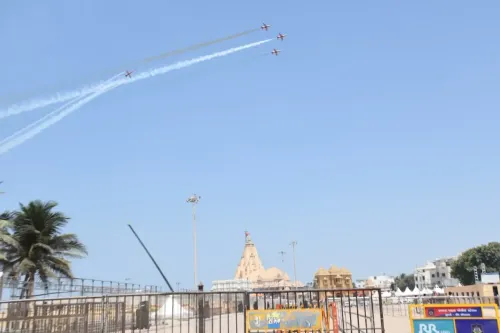
Prime Minister Narendra Modi on Monday, 11 May declared that the restoration of the Somnath Temple in 1951 marked the "proclamation of India's spirit of independence," adding that it sent a powerful message to the world that the nation had embarked on the path of reclaiming its ancient glory. Modi was speaking at Gir Somnath, Gujarat, during the 'Somnath Amrut Mahotsav' — a grand celebration marking 75 years since the inauguration of the reconstructed temple.
The Significance of the Occasion
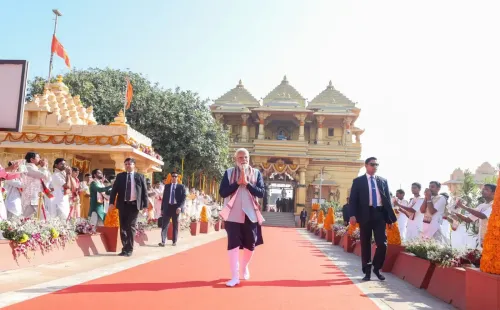
The event commemorated the 75th anniversary of the restored Somnath Temple's inauguration by India's first President, Dr Rajendra Prasad, in 1951, following reconstruction efforts led by Sardar Vallabhbhai Patel. Prime Minister Modi released a commemorative stamp and coin to honour the legacy of the sacred shrine. He arrived at the temple after a roadshow through Somnath, where large crowds lined the route to greet him, with artists from across the country performing cultural programmes as his convoy moved toward the temple complex.
What the Prime Minister Said
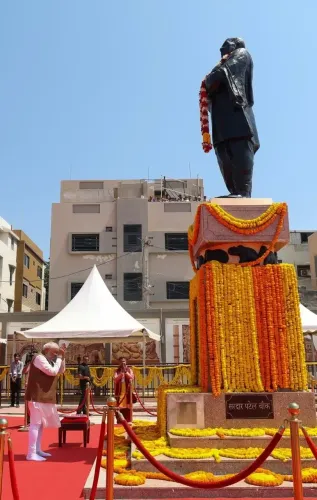
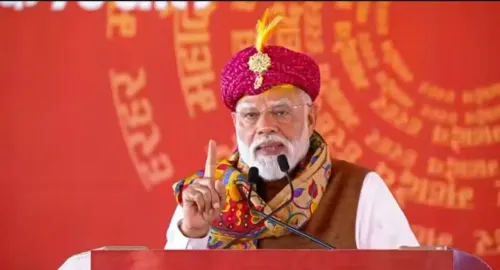
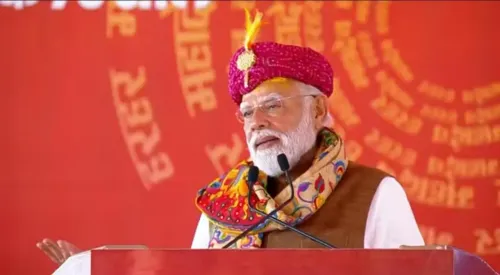
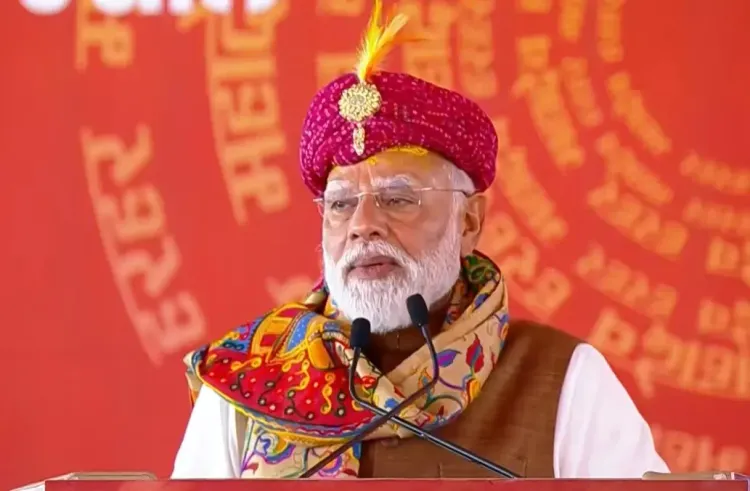
Beginning his address with the chant of "Har Har Mahadev" before a large gathering, Modi emphasised the deep spiritual and national significance of the occasion. "If India became independent in 1947, then the consecration of Somnath in 1951 marked the proclamation of India's spirit of independence," he said. He further noted that Sardar Patel had unified more than 500 princely states to shape modern India, and that the restoration of the Somnath Temple simultaneously sent a message that India had "already embarked on the path to reclaiming its ancient glory."
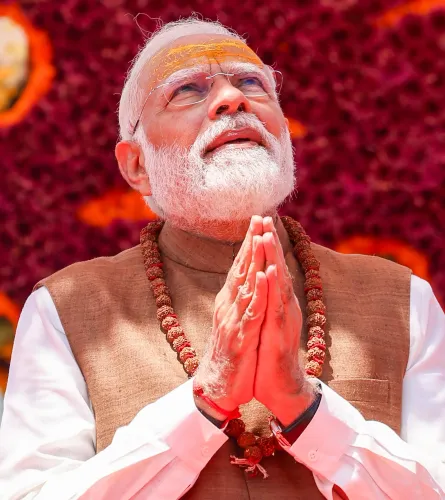
Modi also reflected on his personal connection to the shrine. "As a devoted follower of Somnath, I have visited this place many times and bowed before the deity on numerous occasions. However, now, as I was coming here, this journey through time gave me a deeply pleasant experience," he said. He described the occasion as not merely a 75-year milestone but "the resolve of creation emerging from destruction, which Somnath has embodied."
Ceremonies Performed at the Temple
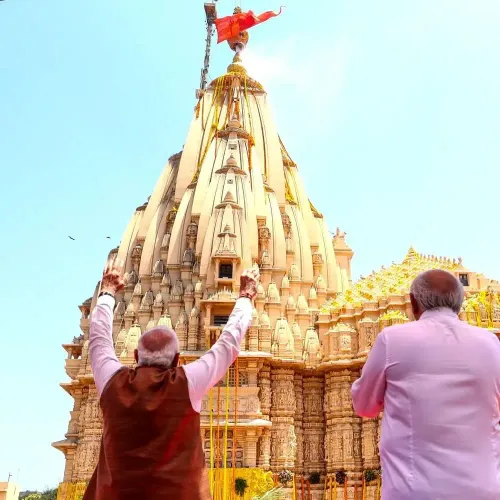
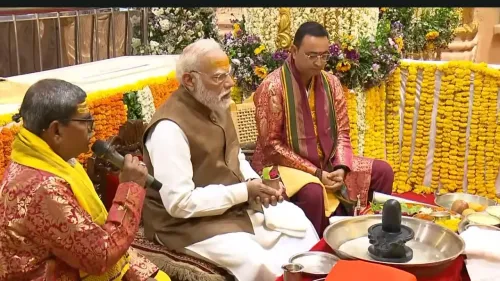
At the temple, the Prime Minister participated in a series of religious ceremonies, including Jalabhishek, Maha Puja, and Dhwaj Pooja. The Kumbhabhishek was performed using holy water collected from 11 pilgrimage sites across the country — a ritual underscoring the temple's pan-India spiritual significance. The ceremonies were conducted amid Vedic chants, lending a deeply sacred atmosphere to the celebrations.
Historical Context: Destruction and Reconstruction
The Somnath Temple has been destroyed and rebuilt multiple times over centuries, making its 1951 reconstruction a potent symbol of cultural and civilisational resilience. Sardar Patel championed the rebuilding effort, viewing it as integral to the consolidation of a unified, independent India. The temple's reconstruction was not without political debate at the time — Prime Minister Jawaharlal Nehru had reservations about a state-backed religious project — yet it proceeded as a national endeavour. Modi invoked this history directly, calling the restoration "not an ordinary event" and describing it as a moment where "the victory of truth over falsehood" was witnessed once again at Prabhas Patan.
Looking Ahead
The Somnath Amrut Mahotsav serves as both a spiritual milestone and a cultural assertion, with the government's visible participation signalling continued emphasis on heritage and civilisational pride. As the temple marks 75 years of its modern consecration, it remains one of India's most visited and symbolically charged religious sites — and Monday's ceremonies are likely to reinforce its place at the centre of the nation's cultural narrative.
Point of View
The Prime Minister is advancing a civilisational reading of nationhood that goes beyond constitutional milestones. This narrative has deepened over his tenure, with Somnath serving as a recurring touchstone. What mainstream coverage often underplays is the contested history of the reconstruction itself — Nehru's reservations, the separation of state and religion debates — which makes Modi's unambiguous state participation in a religious milestone a statement of ideological continuity as much as cultural commemoration.
NationPress
24 Sept 2026
Frequently Asked Questions
What is the Somnath Amrut Mahotsav?
The Somnath Amrut Mahotsav is a celebration marking 75 years since the restored Somnath Temple was inaugurated by India's first President, Dr Rajendra Prasad, in 1951. The reconstruction was championed by Sardar Vallabhbhai Patel after India's independence.
Why did PM Modi call the 1951 Somnath restoration a proclamation of India's independence?
Modi argued that while India achieved political independence in 1947, the consecration of the Somnath Temple in 1951 represented the proclamation of India's cultural and civilisational spirit of independence. He said it sent a message that India had embarked on the path to reclaiming its ancient glory.
What ceremonies did PM Modi participate in at Somnath Temple?
PM Modi took part in Jalabhishek, Maha Puja, and Dhwaj Pooja at the Somnath Temple. He also attended the Kumbhabhishek, which was performed using holy water collected from 11 pilgrimage sites across India.
Who inaugurated the reconstructed Somnath Temple in 1951?
The reconstructed Somnath Temple was inaugurated by India's first President, Dr Rajendra Prasad, in 1951. The reconstruction effort was led by Sardar Vallabhbhai Patel, who viewed it as integral to the consolidation of a unified India.
What commemorative items did PM Modi release at the Somnath Amrut Mahotsav?
PM Modi released a commemorative stamp and coin at the Somnath Amrut Mahotsav to honour the legacy of the sacred shrine and mark 75 years of the temple's modern consecration.