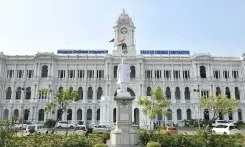
PM Modi addresses 23rd ASEAN-India Summit in Manila
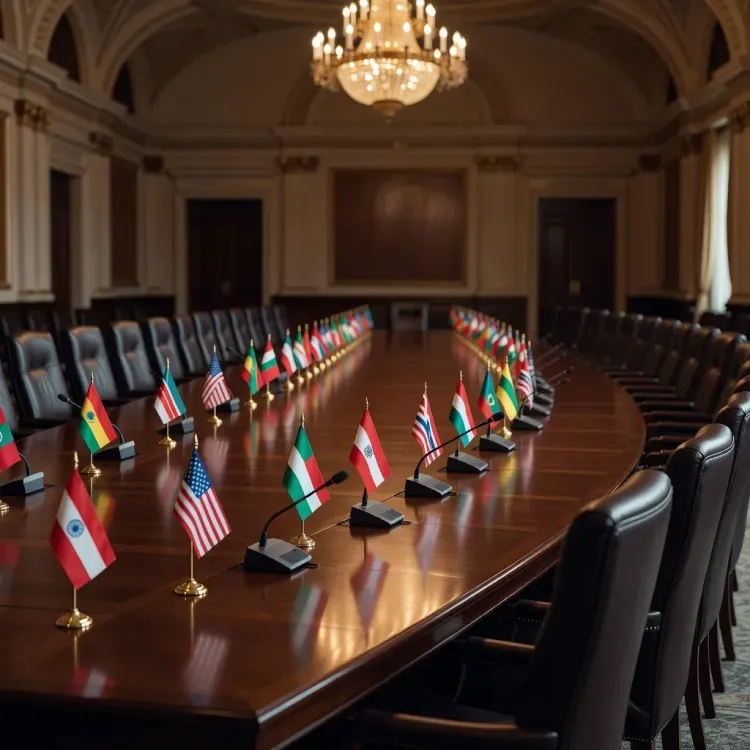
Synopsis
Prime Minister Narendra Modi addressed ASEAN leaders at the 23rd ASEAN-India Summit in Manila on 17 November 2026. The annual meeting, rooted in a partnership dating to 1992 and supercharged by India's 2014 Act East Policy, is a key forum for trade, connectivity and Indo-Pacific security dialogue.
Key Takeaways
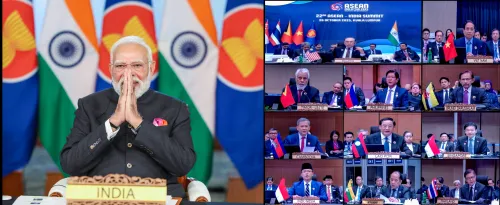
PM Narendra Modi addressed the 23rd ASEAN-India Summit in Manila on 17 November 2026 .
The Philippines is the ASEAN chair and host nation for the 2026 summit.
India and ASEAN have held annual leaders' summits since 2002 ; the dialogue partnership itself dates to 1992 .
The relationship was elevated to a Strategic Partnership at the 2012 Commemorative Summit .
India's Act East Policy , launched in 2014 , made ASEAN engagement a central pillar of foreign policy.
Key ongoing initiatives include the ASEAN-India Free Trade Agreement and the India-Myanmar-Thailand Trilateral Highway .
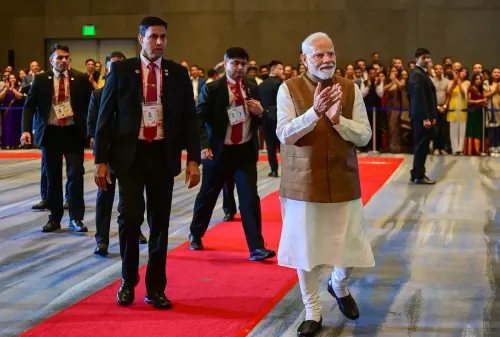
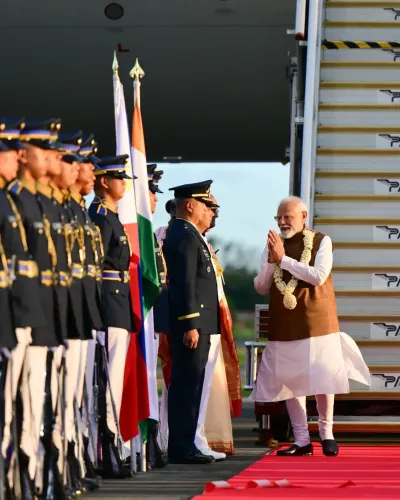
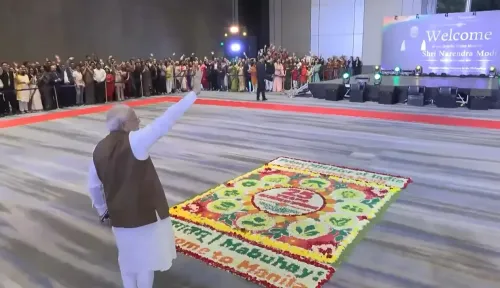
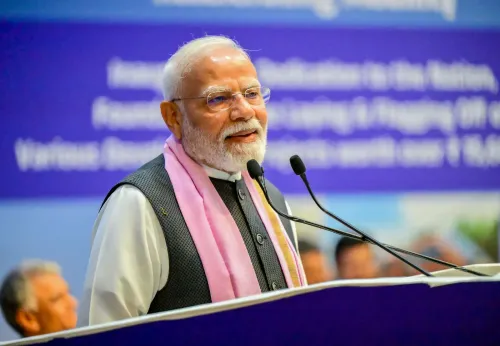
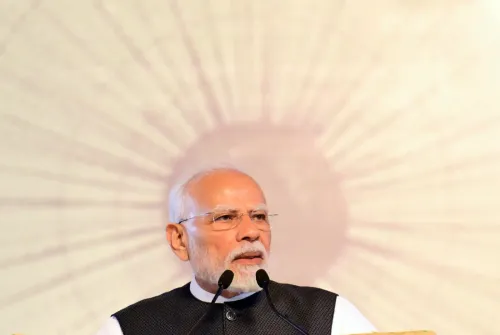
From Manila, Prime Minister Narendra Modi took the stage at the 23rd ASEAN-India Summit on Tuesday, 17 November 2026, delivering his address to leaders of the ten-nation Southeast Asian bloc — a moment that marks more than three decades of one of India's most consequential diplomatic partnerships.
Three decades in the making: India and ASEAN's long arc
The relationship did not arrive fully formed. India and ASEAN — the Association of Southeast Asian Nations — established their dialogue partnership back in 1992, and it took another decade before the first leaders' summit convened in 2002. The upgrade to a Strategic Partnership came in 2012, at the 20th Commemorative Summit. Each step was deliberate, each elevation hard-earned through trade negotiations, infrastructure pledges and quiet security consultations.
Then came 2014 and the Act East Policy — Modi's signal that the Look East framework of earlier governments was being replaced with something faster, more ambitious, more economically muscular. ASEAN sits at the heart of that pivot.
Why Manila, why now
The Philippines, as the ASEAN chair in 2026, is hosting a summit that falls at a charged moment for Indo-Pacific affairs. India's trade and connectivity agenda with Southeast Asia — including the long-running ASEAN-India Free Trade Agreement and the ambitious India-Myanmar-Thailand Trilateral Highway — continues to evolve, and annual summits serve as the pressure point where political will is tested against implementation timelines.
Twenty-four summits in, the annual leaders' meeting is no longer ceremonial. It is the engine room where bilateral grievances get cleared, corridor projects get new deadlines, and strategic alignments — especially in the South China Sea neighbourhood — get quietly calibrated.
Modi's Manila moment in a shifting Indo-Pacific
India is not simply a dialogue partner anymore; it is a strategic variable ASEAN capitals factor into their own calculations with Beijing and Washington. Modi's presence in Manila reinforces that positioning — that New Delhi sees Southeast Asia not as a peripheral market but as a co-equal theatre of economic and security interest.
The specific content of his remarks at the summit has not yet been officially released, but the address itself — shared publicly by the Prime Minister — signals India's intent to keep this engagement visible and high-frequency.
Thirty-four years after a dialogue began quietly in 1992, India and ASEAN are deep enough into their partnership that the question is no longer whether the relationship matters — it is how fast both sides are willing to move.
Point of View
Turning what was once a soft-power dialogue into a hard-edged agenda of trade corridors, digital connectivity and defence consultations. At a moment when ASEAN states are carefully hedging between great-power pressures, India's sustained summit-level visibility gives New Delhi diplomatic leverage that goes well beyond the bilateral trade balance. The key test, as always, is whether summitry translates into concrete deliverables on stalled connectivity projects.
NationPress
17 Nov 2026
Frequently Asked Questions
What is the 23rd ASEAN-India Summit?
The 23rd ASEAN-India Summit is the annual leaders' meeting between India and the ten-member Association of Southeast Asian Nations, held in Manila in November 2026 under the Philippines' ASEAN chairmanship.
What is India's Act East Policy?
India's Act East Policy, launched in 2014 by Prime Minister Modi, replaced the earlier Look East approach and aims to deepen economic, connectivity and security ties with ASEAN and broader Southeast Asia.
How long have India and ASEAN held summits?
India and ASEAN have held annual leaders' summits since 2002, following the establishment of their dialogue partnership in 1992. The relationship was upgraded to a Strategic Partnership in 2012.
Why is the Philippines hosting the ASEAN-India Summit in 2026?
The Philippines holds the ASEAN chairmanship in 2026 and therefore hosts the annual ASEAN-India Summit in its capital, Manila.
What are the main agenda items at ASEAN-India Summits?
ASEAN-India Summits typically cover trade agreements such as the ASEAN-India FTA, physical connectivity projects like the India-Myanmar-Thailand Trilateral Highway, and Indo-Pacific security and maritime dialogue.