PM Modi Highlights Uzbekistan's Love for Yoga
Synopsis
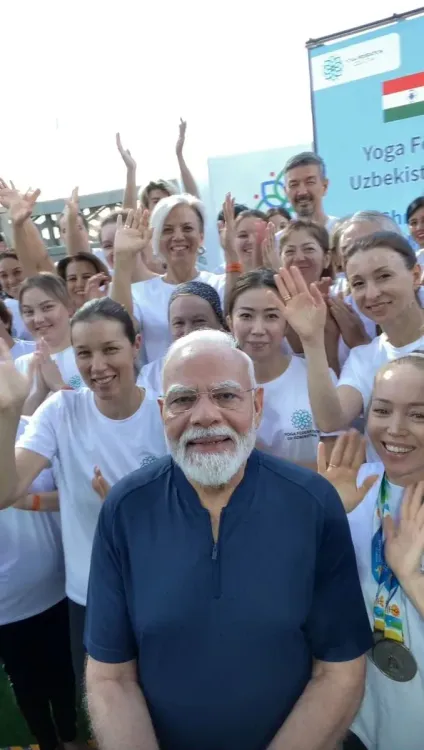
Prime Minister Narendra Modi on August 30, 2026, shared a video celebrating Uzbekistan's embrace of Yoga, reinforcing India's decade-long soft power push that began with the UN's unanimous adoption of June 21 as International Day of Yoga in 2014.
Key Takeaways
PM Modi posted a video on August 30, 2026 , highlighting Uzbekistan's enthusiasm for Yoga.
India secured unanimous UN adoption of June 21 as International Day of Yoga in 2014 .
Yoga promotion is a consistent pillar of India's cultural soft power strategy across multiple regions.
Uzbekistan is a Central Asian partner that has participated in Yoga events linked to the international observance.
The post fits a broader pattern of Modi highlighting positive foreign reception of Indian culture to reinforce diplomatic ties.
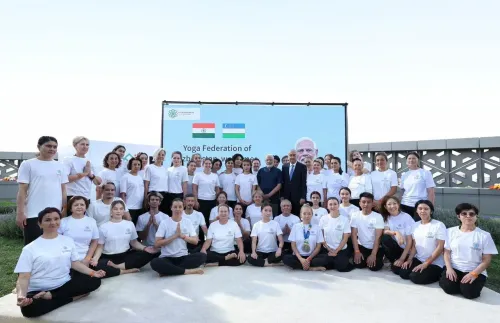
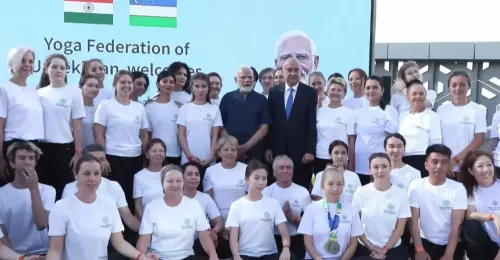
Yoga has crossed the Himalayas and reached the steppes of Central Asia — and Prime Minister Narendra Modi wants the world to know it. In a brief but pointed post on Sunday, August 30, 2026, Modi shared a video celebrating the embrace of Yoga in Uzbekistan, signalling yet another chapter in India's quiet cultural campaign across the globe.
From New Delhi to Tashkent: Yoga as soft power
India's investment in Yoga diplomacy did not begin with a single tweet. It began with a landmark moment at the United Nations in 2014, when India's proposal to designate June 21 as the International Day of Yoga was adopted unanimously — the fastest adoption of any UN resolution of its kind. Since then, Modi has made Yoga a calling card of Indian cultural outreach, from the lawns of the UN headquarters to public squares across Asia, Europe, and beyond.
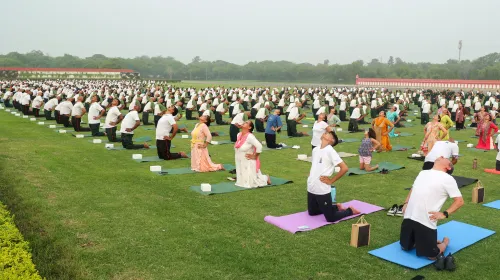
Uzbekistan, a landlocked Central Asian nation with deep civilisational ties to the Indian subcontinent, has been part of this expanding circle. The country has participated in Yoga events tied to the annual international observance, and Modi's post — accompanied by a video — underscores that the reception there is more than ceremonial.
The pattern behind the post
Posts of this kind follow a deliberate rhythm in India's public diplomacy playbook. By highlighting a foreign country's enthusiasm for Yoga, New Delhi projects cultural resonance without a single diplomatic communiqué. The message is simple but effective: India's heritage is universal, and the world is choosing it freely.
Central Asia has become an increasingly active frontier for this outreach. India's 'Connect Central Asia' policy and its engagement through the Shanghai Cooperation Organisation have given cultural ties a strategic underpinning. A video of Uzbeks practising Yoga is, in that context, a data point in a much larger argument about Indian soft power.
When a nation of 36 million people in the heart of the ancient Silk Road bends into a sun salutation, it is not just a wellness trend — it is a bridge being built, one asana at a time.
Point of View
New Delhi builds a narrative of voluntary global embrace, which serves India's broader goal of positioning itself as a civilisational power. Central Asia is a contested zone of influence, and cultural threads — however thin — reinforce India's presence where hard power has limited reach. The pattern suggests this is less spontaneous celebration and more sustained strategic communication.
NationPress
14 Oct 2026
Frequently Asked Questions
Why did PM Modi post about Yoga in Uzbekistan?
Modi shared a video to highlight Uzbekistan's enthusiasm for Yoga as part of India's ongoing cultural diplomacy, reinforcing ties with a Central Asian partner and showcasing the global reach of Indian heritage.
What is the International Day of Yoga?
The International Day of Yoga is observed every year on June 21 , a date established by a unanimous UN resolution in 2014 following a proposal by India under Prime Minister Modi.
Does Uzbekistan have close ties with India?
Yes. Uzbekistan and India maintain cultural and diplomatic ties, including participation in Yoga events and engagement through multilateral forums such as the Shanghai Cooperation Organisation.
How does India use Yoga in its foreign policy?
India has consistently promoted Yoga as a tool of soft power, organising events on International Day of Yoga at Indian missions worldwide and encouraging foreign governments and citizens to participate.
What is India's Connect Central Asia policy?
India's 'Connect Central Asia' policy is a framework for deepening political, economic, and cultural engagement with Central Asian nations, of which Uzbekistan is a key partner.