Modi govt's 12 years: 25 crore lifted from poverty, new middle class emerges
Synopsis
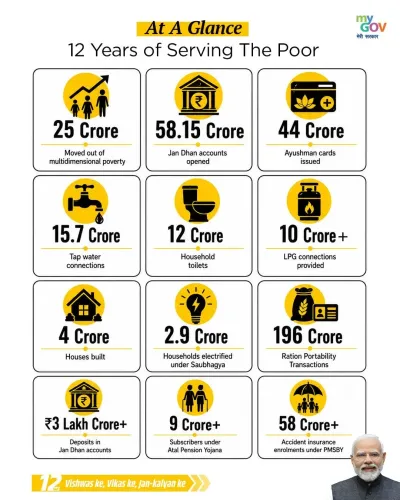
India's poverty headcount has fallen from 16.2% to 2.3% on the international benchmark since 2011-12, with over 25 crore people crossing the poverty line under Modi's watch — a claim now backed by the World Bank's Spring 2025 brief. With income-tax payers more than doubling to 12.13 crore, the government argues middle-class growth and poverty alleviation are no longer trade-offs but twin outcomes of the same policy architecture.
Key Takeaways
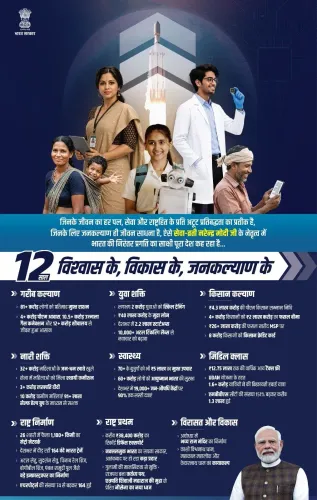
Prime Minister Narendra Modi told NDA leaders on 10 June that more than 25 crore people have risen above the poverty line in 12 years of NDA rule.
The World Bank's Spring 2025 Poverty and Equity Brief recorded India's extreme poverty rate falling from 16.2% in 2011-12 to 2.3% in 2022-23.
Under Modi 3.0 , India reportedly lifted 171 million people out of extreme poverty in under one year.
A Niti Aayog MPI report found multidimensional poverty dropped from 24.85% to 14.96% between 2015-16 and 2019-21, with 13.55 crore people escaping poverty.
Income-tax payers grew from 5.26 crore (2013-14) to 12.13 crore (2024-25), more than doubling in 11 years .
India is assessed as on track to meet SDG target 1.2 on poverty reduction well ahead of the 2030 deadline.
Under Prime Minister Narendra Modi's leadership since 2014, India has witnessed a structural shift in its economic landscape — more than 25 crore people have crossed the poverty line, and a newly expanded middle class has emerged as the backbone of the country's growth story. The transformation, driven by targeted policy reforms, digitalisation, and infrastructure investment, was highlighted at an National Democratic Alliance (NDA) conclave in New Delhi on Wednesday, 10 June, marking 12 years of the coalition government.
What Modi Said at the NDA Conclave
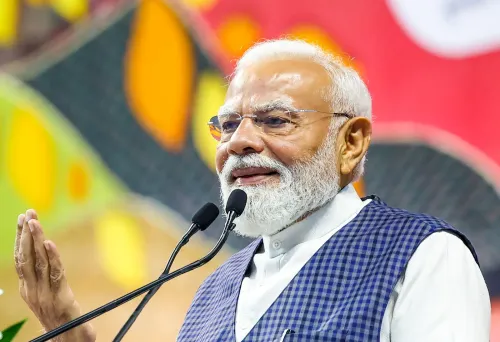
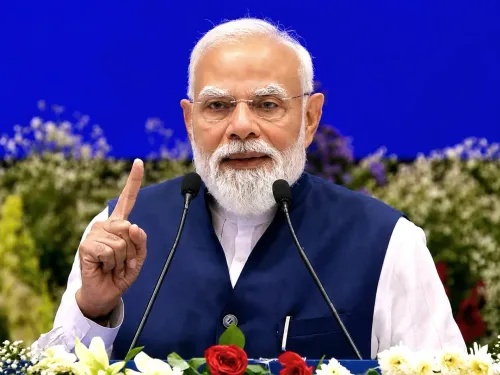
'In these 12 years of the NDA government, the rise of more than 25 crore people out of poverty line illustrates the fact that our policies are correct, our direction is right. This success instils confidence in the people in India that his struggle will end someday, that he too will achieve his dreams one day,' the Prime Minister said while addressing Chief Ministers, alliance partners, and senior leaders gathered for the occasion.
Modi also issued a forward-looking directive to his allies: 'We have to ensure that those who were poor till the other day, those who are today's new middle class, should not be let to slide back ever. So as the representatives of the people, we have to work day and night and work hard.'
World Bank Data and Poverty Benchmarks
The claims find independent support in the World Bank's Spring 2025 Poverty and Equity Brief, which acknowledged India's decisive fight against extreme poverty. According to the report, the share of Indians living on less than USD 2.15 a day — the international benchmark for extreme poverty — fell sharply from 16.2 per cent in 2011-12 to just 2.3 per cent in 2022-23. Notably, in less than one year under Modi 3.0, India reportedly lifted 171 million people out of extreme poverty — described as one of the most remarkable achievements of the past decade.
An earlier Niti Aayog report on the Multidimensional Poverty Index (MPI) reinforced this trend, recording a near-halving of the index value. The proportion of the population in multidimensional poverty declined from 24.85 per cent to 14.96 per cent between 2015-16 and 2019-21 — a reduction of 9.89 percentage points, equivalent to approximately 13.55 crore people escaping poverty over that period.
The Niti Aayog report noted that this puts India 'well on course to achieve SDG target 1.2 — which aims to halve the proportion of people living in poverty in all its dimensions — much ahead of 2030.' The Intensity of Poverty, measuring average deprivation among those still in multidimensional poverty, also eased from 47.14 per cent to 44.39 per cent over the same period.
The Four Pillars Driving Middle-Class Expansion
The government attributes this growth to what it describes as four pillars: targeted interventions in taxation, healthcare, education, and infrastructure. On taxation, successive reforms have lowered income tax rates and simplified return filing, with the stated aim of allowing citizens to retain more of their earnings.
The results are visible in filing data. The number of income-tax payers rose from 5.26 crore in fiscal year 2013-14 to 12.13 crore in 2024-25 — more than doubling in 11 years. Officials argue this reflects voluntary participation as economic conditions improve, representing one of the largest structural expansions of India's formal middle class.
Middle Class as India's Economic Engine
This expanded middle class is now positioned as a critical driver of domestic consumption, innovation, and equitable growth. Analysts and government officials alike point to the demographic shift as central to India's stated ambition of reaching a USD 10 trillion economy. The convergence of rising taxpayer numbers and falling poverty rates is presented as evidence that middle-class expansion and poverty alleviation can function as complementary — rather than competing — forces in a developing economy.
This transformation, if sustained, would represent one of the most significant demographic and economic shifts in the country's post-independence history. Whether the momentum holds will depend on continued policy consistency and the government's ability to prevent newly elevated households from sliding back — a concern Modi himself flagged explicitly at the conclave.
Point of View
But the framing deserves scrutiny. The sharpest poverty decline recorded — from 16.2% to 2.3% on the USD 2.15 benchmark — spans 2011-12 to 2022-23, a period that includes both UPA and NDA tenures; attributing it entirely to post-2014 policy is an overreach. The MPI improvement, while genuine, covers 2015-16 to 2019-21 and predates Modi 3.0. The '171 million lifted in under one year' figure is striking enough to warrant independent verification and a clearer methodology. More telling is the tax-base doubling — from 5.26 crore to 12.13 crore filers — which is a structural, verifiable signal of formalisation. The real policy test going forward is whether the newly elevated households are protected from reversal, a vulnerability Modi himself acknowledged at the conclave.
NationPress
21 Sept 2026
Frequently Asked Questions
How many people has India lifted out of poverty under the Modi government?
According to Prime Minister Modi, more than 25 crore people have risen above the poverty line during the 12 years of NDA rule. The World Bank's Spring 2025 Poverty and Equity Brief separately recorded India's extreme poverty rate — measured at the USD 2.15-a-day international benchmark — falling from 16.2% in 2011-12 to 2.3% in 2022-23.
What does the World Bank's 2025 report say about India's poverty?
The World Bank's Spring 2025 Poverty and Equity Brief acknowledged India's decisive progress against extreme poverty, noting the share of people living on less than USD 2.15 a day fell sharply from 16.2% in 2011-12 to just 2.3% in 2022-23. The brief covers poverty trends across more than 100 developing countries.
What is India's Multidimensional Poverty Index progress?
A Niti Aayog report found that India's Multidimensional Poverty Index value nearly halved, with the proportion of people in multidimensional poverty declining from 24.85% to 14.96% between 2015-16 and 2019-21. This translates to approximately 13.55 crore people escaping multidimensional poverty over that period.
How has India's income-tax base changed under the Modi government?
The number of income-tax payers in India grew from 5.26 crore in fiscal year 2013-14 to 12.13 crore in 2024-25 — more than doubling in 11 years. The government presents this as evidence of a structural expansion of the formal middle class as economic conditions improve.
Is India on track to meet the UN's SDG poverty targets?
According to the Niti Aayog MPI report, India is on course to achieve SDG target 1.2 — which calls for halving the proportion of people living in poverty in all its dimensions — well ahead of the 2030 deadline. The Intensity of Poverty among those still in multidimensional poverty also eased from 47.14% to 44.39% between 2015-16 and 2019-21.