PM Modi marks 12 years of NDA rule with middle-class 'ease of living' push
Synopsis
Twelve years in, the Modi government is making a pointed play for middle-class credit — citing 103 crore internet connections, 164 Vande Bharat trains, and a tax-free income ceiling that has risen sixfold since 2014. The 'Saksham Middle Class' campaign is as much political positioning as policy recap, arriving with state elections on the horizon.
Key Takeaways
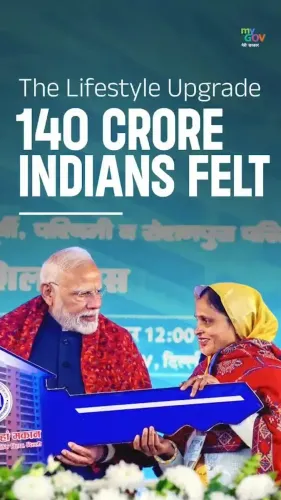
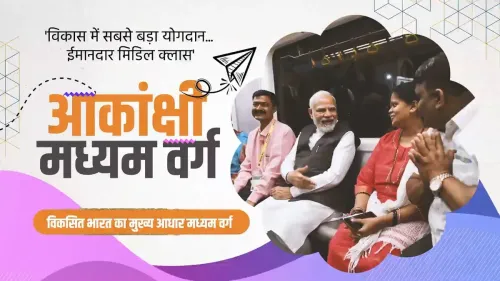
PM Modi on 15 June launched the #12YearsOfSakshamMiddleClass campaign on platform X, marking 12 years of NDA governance.
Internet connections have crossed 103 crore , with significantly reduced data costs, according to MyGovIndia .
164 Vande Bharat trains are operational, having served over 9 crore passengers to date.
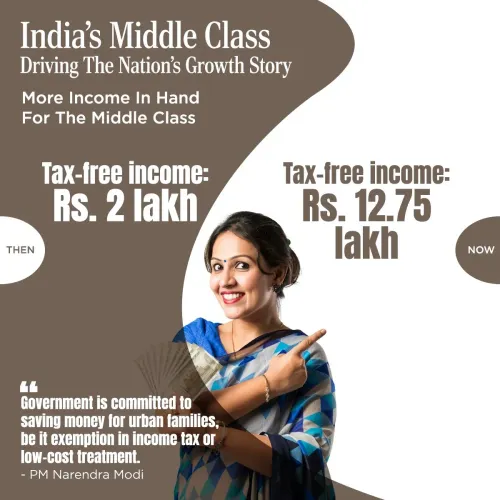
The tax-free income limit for salaried individuals has risen from ₹2 lakh in 2014 to ₹12.75 lakh in 2026 .
Citizens can now access over 800 government services digitally via platforms such as CSCs and UMANG .
The campaign highlights metro expansion, highway upgrades, regional air connectivity, and new mobility platforms including Bharat Taxi .
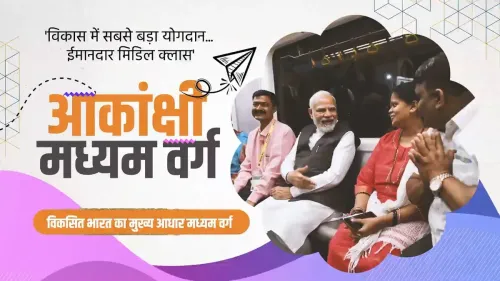
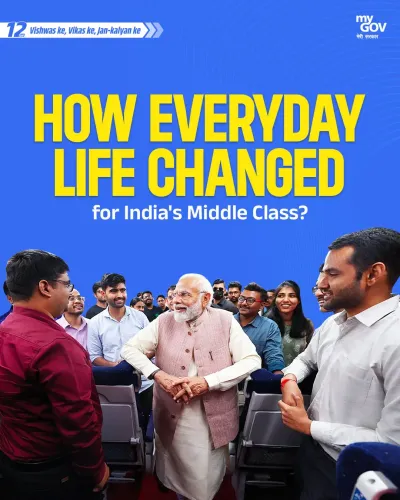
Prime Minister Narendra Modi on Monday, 15 June credited the NDA government's 12-year tenure with measurably improving the quality of life for India's middle class, sharing a detailed account of infrastructure, digital access, and tax reforms delivered over the past decade. Taking to social media platform X with the hashtag #12YearsOfSakshamMiddleClass, Modi framed the anniversary as a governance milestone centred on 'ease of living' for ordinary citizens.
What Modi Said
'A Government for the middle class. It is the NDA Government's privilege to be working towards fulfilling the aspirations of our middle class. They have contributed to nation-building in countless ways,' Modi wrote. He added that governance over the last decade has 'increasingly focused on improving the quality of life of ordinary citizens,' citing easier access to opportunities, better infrastructure, affordable healthcare, quality education, cleaner cities, and reduced burdens in everyday life.
Key Developments Highlighted
Modi reposted a thread from the government platform MyGovIndia, which catalogued several flagship improvements. On digital connectivity, the post noted that internet penetration has reached over 103 crore connections, with drastically reduced data costs enabling access to education, digital payments, and entertainment. On rail travel, it pointed to 164 operational Vande Bharat trains that have already served over 9 crore passengers, with sleeper variants further expanding long-distance convenience.
Urban mobility improvements were attributed to rapid metro rail expansion across major cities, while road infrastructure upgrades — including streamlined toll systems — were said to have reduced travel delays and improved logistics performance. Regional air connectivity, the post added, has brought smaller cities into the national aviation network through a growing number of routes and airports.
Tax Relief and Digital Services
Among the most cited data points: the tax-free income limit for salaried individuals has risen from ₹2 lakh in 2014 to ₹12.75 lakh in 2026, alongside a higher standard deduction aimed at improving household savings. On public service delivery, the government highlighted platforms such as Common Service Centres (CSCs) and UMANG, through which citizens can now access over 800 services digitally. New mobility solutions including Bharat Taxi and women-focused transport initiatives were also cited as reshaping urban commuting.
Context and Significance
The campaign marks 12 years since the NDA came to power in May 2014. The government's decision to anchor the anniversary around the middle class — rather than welfare schemes or rural programmes — signals a deliberate political framing ahead of upcoming state elections. This comes amid ongoing debate about whether India's middle class has benefited proportionally from economic growth, with household consumption data offering a mixed picture. The 'Saksham Middle Class' messaging is the latest in a series of targeted outreach efforts by the Modi administration to consolidate urban and semi-urban voter sentiment.
What Comes Next
The campaign is expected to continue across government platforms in the days ahead, with additional data on sectoral improvements likely to be shared. Observers will watch whether the outreach translates into concrete policy announcements, particularly on income tax thresholds and urban infrastructure spending in the upcoming Union Budget cycle.
Point of View
Not just a governance report card. By anchoring the NDA's 12th anniversary around urban infrastructure and tax relief rather than rural welfare, the BJP is explicitly courting the aspirational middle — a demographic that has grown restless about stagnant real wages and rising cost of living. The numbers cited (103 crore connections, ₹12.75 lakh tax-free limit) are real, but they elide harder questions: household debt levels have risen, private consumption growth has been uneven, and the benefits of digital access are not uniformly distributed. A government confident in its delivery record would welcome independent audits of these claims; the campaign's reliance on self-reported MyGovIndia data suggests that confidence has limits.
NationPress
14 Sept 2026
Frequently Asked Questions
What is the #12YearsOfSakshamMiddleClass campaign?
It is a government-led social media campaign launched on 15 June 2026 to mark 12 years of NDA rule, highlighting improvements in digital access, transport infrastructure, tax relief, and public service delivery for India's middle class. Prime Minister Modi shared the campaign on platform X, reposting a thread from the official MyGovIndia account.
How has the tax-free income limit changed under the Modi government?
According to the MyGovIndia post, the tax-free income limit for salaried individuals has risen from ₹2 lakh in 2014 to ₹12.75 lakh in 2026, alongside an increase in the standard deduction aimed at improving household savings for middle-class families.
How many Vande Bharat trains are currently operational?
As of the campaign data shared on 15 June 2026, 164 Vande Bharat trains are operational and have collectively served over 9 crore passengers. Sleeper variants are also being introduced to improve long-distance travel.
What digital services are now available to Indian citizens?
Citizens can access over 800 government services digitally through platforms such as Common Service Centres (CSCs) and UMANG, according to MyGovIndia. Internet penetration has reached over 103 crore connections, with significantly reduced data costs.
Why is the government focusing on the middle class in this campaign?
The campaign marks the 12th anniversary of the NDA coming to power and is framed around 'ease of living' improvements for urban and semi-urban citizens. Analysts note the timing aligns with upcoming state elections, with the BJP seeking to consolidate middle-class voter sentiment ahead of the electoral cycle.