PM Modi Highlights 12 Years of Ease of Living for Middle Class
Synopsis
Prime Minister Narendra Modi on June 15, 2026, marked twelve years of BJP-led governance by highlighting 'Ease of Living' gains for India's middle class, citing reforms spanning direct benefit transfers, GST, affordable housing, and digital service delivery under the #12YearsOfSakshamMiddleClass campaign.
Key Takeaways
PM Narendra Modi posted on June 15, 2026 , sharing a visual on 'Ease of Living' improvements for the middle class.
The hashtag #12YearsOfSakshamMiddleClass marks over a decade of BJP-led NDA governance at the Centre.
The 'Ease of Living' framework, developed since 2014 , targets urban service delivery, housing, and compliance simplification.
Direct Benefit Transfer , GST (2017) , and Pradhan Mantri Awas Yojana (Urban) (2015) are key policy pillars cited under this agenda.
Middle-class households remain a central policy and electoral constituency for the ruling party, with the next Union Budget expected to carry further targeted measures.
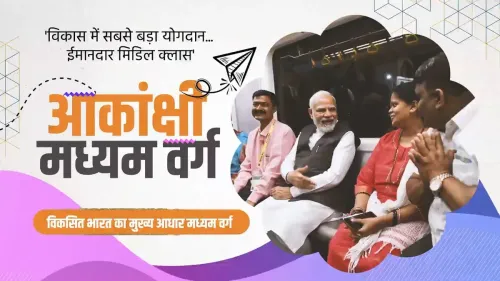
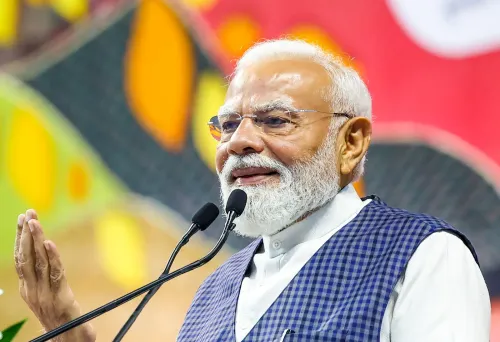
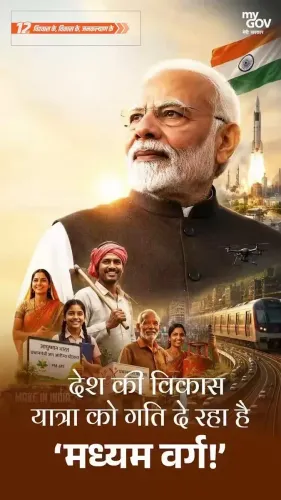
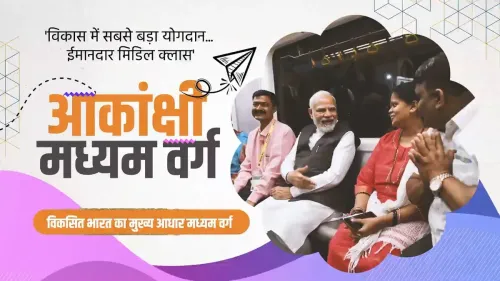
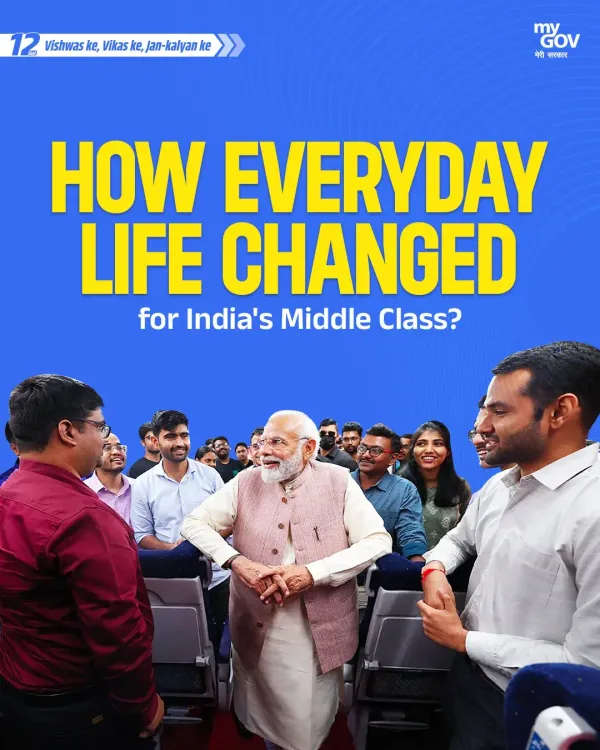
Prime Minister Narendra Modi on Monday, June 15, 2026, shared a glimpse of how his government has worked to enhance the 'Ease of Living' for India's middle class, marking the occasion with the hashtag #12YearsOfSakshamMiddleClass — a reference to twelve years of Bharatiya Janata Party-led governance at the Centre.
Context
The post arrives as the BJP-led National Democratic Alliance government marks over a decade in power, a milestone the ruling party has been commemorating through a series of outreach campaigns. The phrase 'Ease of Living' has been a cornerstone of the administration's public messaging since 2014, positioning governance reforms as directly improving the daily lives of ordinary citizens — particularly urban middle-class households.
The hashtag #12YearsOfSakshamMiddleClass — roughly translating to 'twelve years of an empowered middle class' — signals a structured communications campaign timed to the anniversary of the government's formation.
Policy Backdrop
The 'Ease of Living' framework was developed as a complement to the government's better-known 'Ease of Doing Business' agenda. Where the latter targeted entrepreneurs and industry, the former focused on measurable improvements in urban service delivery, housing access, and daily compliance burdens for residents.
Key pillars cited by the government over the years include the expansion of Direct Benefit Transfer from 2014-15 onward, which was credited with reducing leakages in subsidy delivery and improving access for middle-income households. The rollout of the Goods and Services Tax (GST) in 2017 unified India's indirect tax structure, a move the government presented as simplifying compliance for consumers and small businesses alike.
Pradhan Mantri Awas Yojana (Urban), launched in 2015, extended affordable housing credit-linked subsidies to middle-class families — a segment that had historically fallen outside the ambit of welfare schemes designed for below-poverty-line beneficiaries.
Stakeholders and Impact
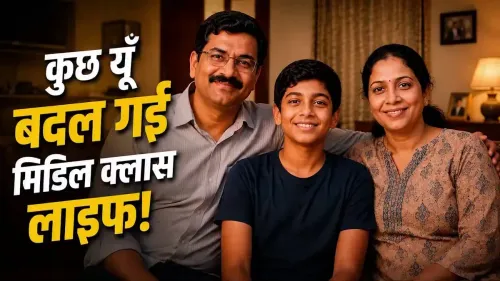
India's middle class — broadly defined as urban professionals, salaried employees, and small business owners — has been a central electoral and policy constituency for the BJP since 2014. This segment has benefited from digitisation of government services, reduced paperwork through platforms such as DigiLocker and the Unified Payments Interface (UPI), and income-tax relief measures introduced across successive Union Budgets.
At the same time, this constituency has also voiced concerns over inflation, stagnant real wages, and the rising cost of education and healthcare — pressures that the government's 'Ease of Living' narrative is partly designed to address. Public campaigns such as #12YearsOfSakshamMiddleClass serve a dual purpose: consolidating perceived gains and pre-empting opposition critiques ahead of electoral cycles.
What's Next
Political observers will watch the next Union Budget closely for proposals on personal income-tax slab revisions and new urban housing or skill-development schemes aimed at the middle class. The #12YearsOfSakshamMiddleClass campaign is likely to be amplified across BJP platforms in the coming weeks, with ministers and party functionaries expected to highlight sector-specific outcomes in areas such as infrastructure, digital services, and financial inclusion. Whether the campaign translates into concrete new policy announcements or remains a retrospective communications exercise will define its political salience.
Point of View
Designed to consolidate the BJP's identity as the party of middle-class aspiration. By foregrounding 'Ease of Living' — a metric that is felt rather than easily quantified — the messaging sidesteps difficult questions about inflation and real income growth while anchoring the narrative on visible reforms such as UPI, DigiLocker, and housing subsidies. The timing, over a decade into office, signals that the ruling party is already in campaign mode, seeking to lock in the loyalty of urban professionals who are both the most vocal critics and the most coveted voters. How the opposition responds — and whether it can offer a credible counter-narrative on middle-class welfare — will shape the political contest heading into the next electoral cycle.
NationPress
19 Sept 2026
Frequently Asked Questions
What is the 'Ease of Living' initiative by PM Modi?
'Ease of Living' is a governance framework introduced by the Modi government from 2014 onward, aimed at improving the quality of daily life for citizens — particularly the urban middle class — through better service delivery, digital access, housing support, and simplified tax compliance.
What does #12YearsOfSakshamMiddleClass mean?
#12YearsOfSakshamMiddleClass translates roughly to 'twelve years of an empowered middle class' and is a BJP campaign hashtag marking over a decade of the party-led NDA government's focus on middle-class welfare since 2014 .
What schemes has the Modi government launched for the middle class?
Key schemes include Pradhan Mantri Awas Yojana (Urban) for affordable housing credit, Direct Benefit Transfer for subsidy delivery, GST for simplified indirect taxation, and digital platforms such as UPI and DigiLocker for easier access to financial and government services.
When did PM Modi post about the middle class on X?
PM Narendra Modi posted about 'Ease of Living' for the middle class on Monday, June 15, 2026 , at approximately 12:04 PM IST , on his official X account.
What is the BJP's policy record on middle-class taxation?
The BJP-led government has introduced income-tax relief measures across successive Union Budgets since 2014 , including revised tax slabs and standard deduction increases, positioning itself as a champion of the salaried middle class. Further tax proposals are expected in upcoming budget cycles.