Modi's 3rd consecutive oath: Rajnath Singh marks one year of historic third term
Synopsis
One year after Modi's historic third consecutive oath, Rajnath Singh's tribute on X frames 12 years of unbroken rule as a governance milestone. On 10 June 2025, Modi crosses Nehru's continuous-tenure record — a first in post-independence India — with three years still remaining in his current term.
Key Takeaways
Defence Minister Rajnath Singh marked the first anniversary of PM Modi's third consecutive oath, taken on 9 June 2024 .
Modi completes 12 unbroken years as Prime Minister on 10 June 2025 , surpassing Jawaharlal Nehru's continuous-tenure record.
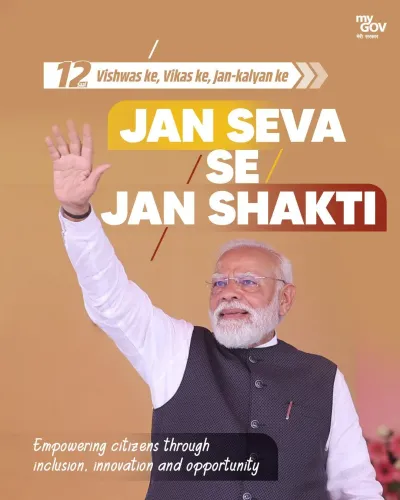
Singh cited #12YearsOfSeva achievements including empowerment of the poor, national security, infrastructure growth, and digital innovation.
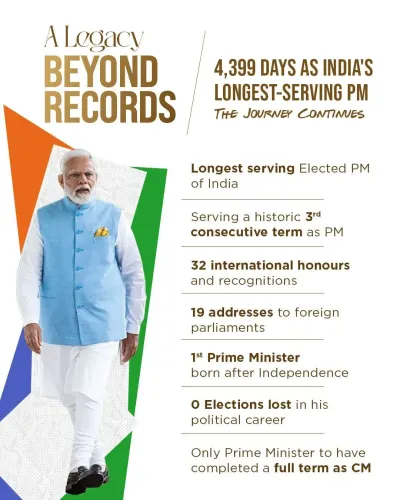
Modi's executive tenure spans over two decades, including nearly 13 years as Chief Minister of Gujarat and more than 4,400 days as Prime Minister.
Key projects of the Modi era include Vande Bharat trains, INS Vikrant , Central Vista , Namo Bharat RRTS , and the Kashmir rail link .
Three more years remain in Modi's current term, pointing toward the Viksit Bharat 2047 development agenda.
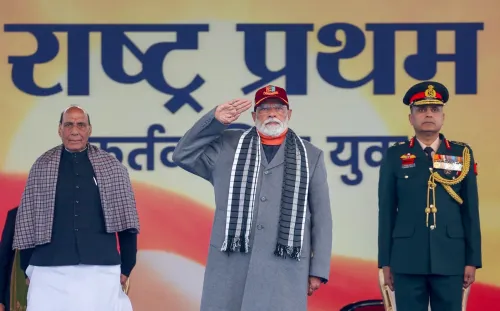
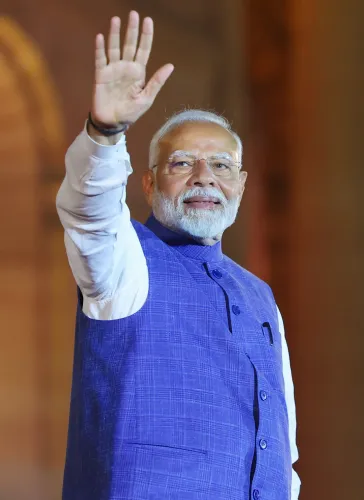
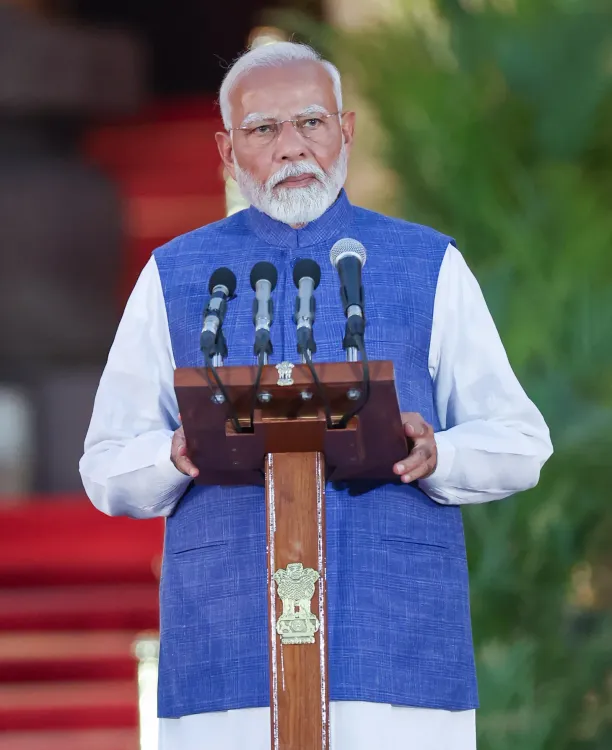
Defence Minister Rajnath Singh on Tuesday, 9 June 2025 marked the first anniversary of Prime Minister Narendra Modi taking oath for a third consecutive term, calling it 'a new chapter in India's history.' The swearing-in on 9 June 2024 made Modi one of India's longest-serving leaders with an unbroken tenure at the helm of the Union government.
Rajnath Singh's Tribute on X
In a post on social media platform X, Singh wrote: 'On this Day in 2024, Shri @narendramodi took oath as the Prime Minister of India for the third consecutive time, scripting a new chapter in India's history. Modiji's visionary leadership has redefined governance through the spirit of Seva over the last 12 years, ensuring that development reaches every section of society.'
Singh further invoked the hashtag #12YearsOfSeva, stating the journey had been 'guided by the principle of Service Before Self' and marked by 'the empowerment of the poor, strengthened national security, transformative reforms, rapid infrastructure growth and digital innovation.' He added that these 12 years stand as 'a testament to visionary leadership, inclusive development and an unwavering commitment to nation-first governance' as India advances toward Viksit Bharat 2047.
A Milestone in India's Political History
Prime Minister Modi is set to complete 12 years at the helm of the Union government on 10 June 2025 — a political journey that has significantly reshaped India's electoral and governance landscape. From his first swearing-in in 2014 to successive mandates in 2019 and the historic third consecutive term in 2024, Modi has emerged as one of the country's longest-serving leaders in continuous executive office.
His overall tenure in executive roles spans more than two decades, including nearly 13 years as Chief Minister of Gujarat and more than 4,400 days as Prime Minister.
Surpassing Nehru's Record
On 10 June 2025, Modi will cross the record set by India's first Prime Minister, Jawaharlal Nehru, who was first elected to the post in 1952 — his earlier stint from 1947 to 1952 having been as head of an interim government, before elections were institutionalised. Indira Gandhi held the office for a cumulative 14 years, though her tenure was fractured. Modi's unbroken 12-year run as Prime Minister, with three more years remaining in the current term, places him in a distinct category among post-independence leaders.
Infrastructure and Governance Milestones
The Modi era has been marked by a series of high-profile nation-building projects, including the new Parliament building, the Central Vista redevelopment, Kartavya Path, Vande Bharat trains, the Statue of Unity, INS Vikrant, the Kashmir rail link, Noida International Airport, Namo Bharat RRTS, and the Ganga Expressway.
As the 12-year milestone approaches, the focus will turn to whether the third term can sustain the pace of reforms and delivery that defined the earlier years — particularly on economic growth, employment, and the long-term Viksit Bharat 2047 vision.
Point of View
Uninterrupted arc of national service ahead of the Nehru record crossing. What the tribute does not address is the texture of those 12 years: the contested economic data on jobs and inequality, the debates around institutional autonomy, and the unfinished agenda on agricultural reform. Crossing Nehru's continuous-tenure record is a genuine historical milestone, but longevity in office and quality of governance are distinct metrics. The Viksit Bharat 2047 framing gives the BJP a forward-looking narrative for the remaining three years — the test will be whether that narrative is backed by measurable outcomes on employment, health, and per-capita income rather than landmark projects alone.
NationPress
24 Oct 2026
Frequently Asked Questions
Why is 10 June 2025 significant for PM Modi?
On 10 June 2025, PM Modi completes 12 unbroken years as Prime Minister, surpassing the continuous-tenure record previously held by Jawaharlal Nehru. Unlike Indira Gandhi's 14-year total, which was fractured, Modi's stint has been uninterrupted across three consecutive terms.
What did Rajnath Singh say about Modi's third term anniversary?
Defence Minister Rajnath Singh posted on X that Modi 'scripted a new chapter in India's history' by taking oath for a third consecutive time on 9 June 2024. He credited the past 12 years with empowering the poor, strengthening national security, and driving infrastructure and digital growth under the principle of 'Service Before Self.'
How many times has PM Modi been sworn in as Prime Minister?
PM Modi has been sworn in three times — in May 2014, May 2019, and June 2024 — each time following a general election victory. His 2024 oath marked the first time a non-Congress Prime Minister secured three consecutive terms.
What major infrastructure projects are associated with the Modi government?
Key projects include the new Parliament building, Central Vista redevelopment, Kartavya Path, Vande Bharat trains, the Statue of Unity, INS Vikrant, the Kashmir rail link, Noida International Airport, Namo Bharat RRTS, and the Ganga Expressway.
What is Viksit Bharat 2047?
Viksit Bharat 2047 is the Modi government's long-term vision to make India a developed nation by the centenary of its independence in 2047. It serves as the overarching framework for economic, infrastructure, and social policy goals across the current and future terms.