Kishan Reddy: Modi's Mann Ki Baat Puts Purnia Makhana, Kalaburagi Pulses on World Map
Synopsis
Union Minister G. Kishan Reddy echoed PM Modi's 139th Mann Ki Baat address, which cited Purnia's makhana reaching Greece and Kalaburagi's pulses finding markets in the Maldives as proof that Vocal for Local is translating into real global export gains for India's rural producers.
Key Takeaways
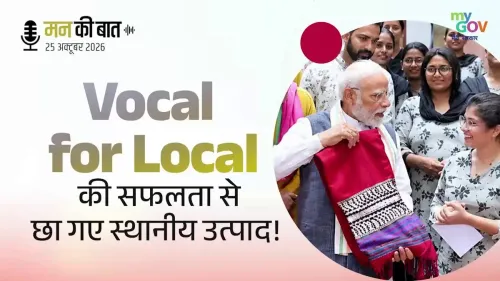
PM Modi highlighted Vocal for Local successes during the 139th episode of Mann Ki Baat on October 25, 2026 .
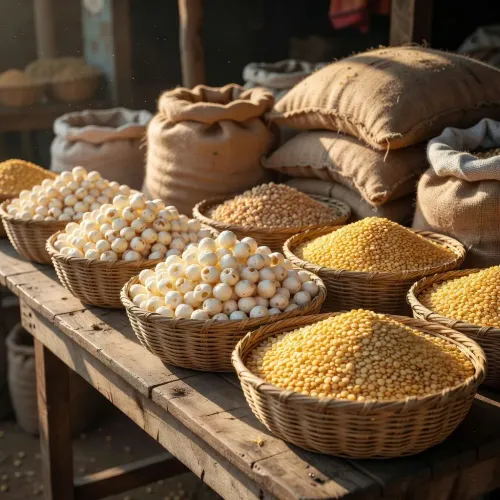
Purnia (Bihar) makhana has reached Greece ; Kalaburagi (Karnataka) pulses have found markets in the Maldives .
PM Modi urged citizens to support local artisans, rural workers, and small businesses during the festive season.
Vocal for Local is a core pillar of the Atmanirbhar Bharat initiative launched in May 2020 .
Kishan Reddy amplified the message on X, extending its reach ahead of the peak festive consumption window.
From a Bihar wetland to Greek tables, and from a Karnataka field to Maldivian kitchens — Union Coal and Mines Minister G. Kishan Reddy on Sunday, October 25, amplified Prime Minister Narendra Modi's call during the 139th episode of Mann Ki Baat, spotlighting how India's grassroots produce is quietly conquering foreign markets under the #VocalForLocal banner.
Two Districts, Two Export Wins
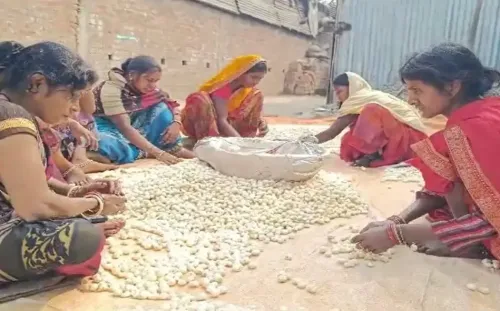
The examples PM Modi chose were pointed — and deliberate. Purnia, a district in Bihar, has long been the heartland of India's makhana (fox-nut) cultivation, a crop that commands premium health-food attention in international markets. Kalaburagi, a major pulse-producing hub in Karnataka, has found buyers as far as the Maldives. These are not metro success stories. They are rural districts whose farmers and small traders are threading into global supply chains.
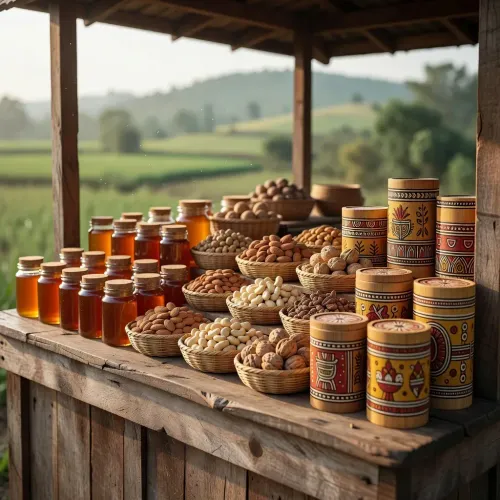
Kishan Reddy's post quoted the Prime Minister urging citizens to 'encourage and support local artisans, rural workers and small businesses this festive season' — a message timed deliberately around the peak consumption period of India's festival calendar.
Vocal for Local's Six-Year Journey
The Vocal for Local campaign did not arrive fully formed. It emerged as a core pillar of the Atmanirbhar Bharat (Self-Reliant India) initiative, announced by PM Modi in May 2020 amid the economic disruption of the pandemic. The idea was structural: redirect domestic spending toward Indian goods, reduce import dependence, and create a feedback loop that grows rural incomes while building export competitiveness.
Six years on, the government's messaging has evolved from 'buy Indian instead of imported' to 'Indian products reaching global shelves' — a subtle but significant shift in the narrative arc. Mann Ki Baat has served as the consistent broadcast vehicle for these regional success stories, reaching millions of listeners across the country every month.
Festive Season as a Policy Moment
The timing of Sunday's episode is no accident. The festive season — stretching from Navratri through Diwali — represents India's single largest consumer spending window. Government campaigns routinely intensify during this period to steer purchase decisions toward domestic and artisanal goods over imported alternatives.
By naming specific geographies — Purnia, Kalaburagi — rather than speaking in abstractions about 'Indian industry', PM Modi's messaging roots the campaign in real places with real producers. It gives the Vocal for Local call a human face: the makhana farmer in Bihar, the pulse trader in Karnataka, both now connected to a buyer they will never meet across an ocean.
If the next export figures from these districts start to move, that abstract hashtag will have done very concrete work.
Point of View
Ground-level export wins, not just headline policy. Amplification by a minister who is also Telangana BJP president extends the message into southern India during a high-stakes festive political season. The shift in Vocal for Local's narrative from 'buy domestic' to 'our products are going global' represents a maturation of the Atmanirbhar Bharat communication strategy, designed to sustain the campaign's salience six years after its launch.
NationPress
25 Oct 2026
Frequently Asked Questions
What did PM Modi say in the 139th Mann Ki Baat episode?
PM Modi highlighted how the Vocal for Local spirit is taking Indian products to global markets, citing Purnia's makhana reaching Greece and Kalaburagi's pulses finding buyers in the Maldives. He urged citizens to support local artisans and small businesses during the festive season.
What is Purnia makhana and why is it significant?
Makhana, or fox-nut, is a water-crop cultivated primarily in the wetlands of Purnia district in Bihar. It has gained international attention as a nutritious snack and health food, and its export to markets like Greece illustrates the global reach of India's rural agri-produce.
What is the Vocal for Local campaign?
Vocal for Local is a campaign under PM Modi's Atmanirbhar Bharat (Self-Reliant India) initiative, launched in May 2020, that encourages Indians to buy domestically produced goods to support artisans, rural workers, and small businesses while reducing import dependence.
Why did G. Kishan Reddy post about Mann Ki Baat?
As Union Coal and Mines Minister and BJP's Telangana state president, G. Kishan Reddy regularly amplifies central government messaging on social media. His post extended PM Modi's Mann Ki Baat address to a wider digital audience ahead of the peak festive season.
What is Kalaburagi known for in agriculture?
Kalaburagi, a district in Karnataka, is one of India's major pulse-producing regions. Its farmers grow a range of lentils and legumes, and the district has been cited as an example of rural agricultural produce successfully entering export markets.