Mahua Moitra flags Adani winning Rs 9,700 cr FCI contracts

Synopsis
TMC MP Mahua Moitra has alleged that the central government removed an anti-monopoly clause from Food Corporation of India tenders, enabling Adani Group to secure contracts worth Rs 9,700 crore in India's grain-storage programme, raising questions about corporate concentration in public procurement.
Key Takeaways
TMC MP Mahua Moitra posted an 'Adani Alert' on 30 May 2026 , alleging removal of an anti-monopoly clause from FCI grain-storage tenders.
She claims Adani Group subsequently won contracts worth Rs 9,700 crore under the programme.
The Food Corporation of India , set up in 1965 , manages India's foodgrain procurement and storage under the Public Distribution System .
The Shanta Kumar Committee (2015) had recommended greater private-sector participation in FCI's storage and logistics operations.
Opposition MPs have repeatedly questioned dilution of single-entity caps in large public tenders involving the Adani Group .
Parliamentary scrutiny and a potential CAG audit of the grain-storage programme are expected to follow.
TMC MP Mahua Moitra on Saturday, 30 May 2026, alleged that the central government removed an anti-monopoly clause from Food Corporation of India (FCI) tenders, enabling the Adani Group to secure contracts worth Rs 9,700 crore under India's grain-storage programme. The Krishnanagar MP posted the alert on X, urging followers to read a detailed report on the development.
Context
Moitra's post, captioned 'Adani Alert', claims that a clause designed to prevent a single entity from dominating FCI contracts was quietly removed, after which the Adani Group won a substantial share of the grain-storage programme. She described the conglomerate as the government's 'best friend' and flagged the contract value at Rs 9,700 crore. The post directed attention to reported investigative coverage of the tender process.
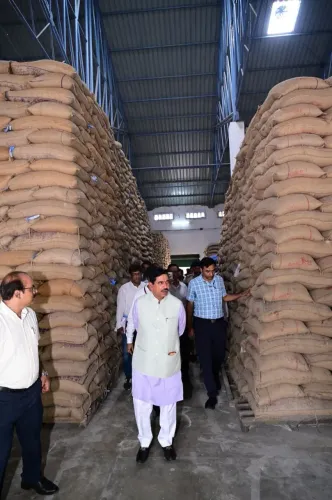
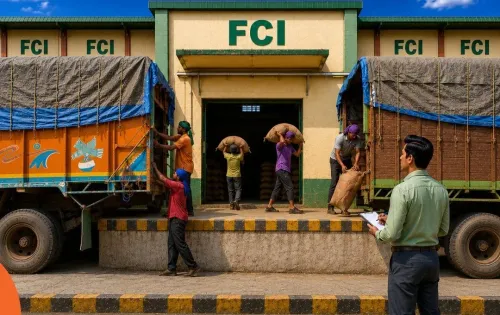
The Food Corporation of India, established in 1965, is the central public-sector undertaking responsible for procurement, storage and distribution of foodgrains under India's Public Distribution System (PDS). It manages one of the world's largest food-security networks, and its storage and logistics contracts run into thousands of crore rupees annually.
Policy Backdrop
The push for private-sector participation in agricultural storage has a documented policy lineage. The Shanta Kumar Committee, constituted in 2015, recommended restructuring FCI operations and inviting private investment into storage and handling infrastructure. Since the mid-2010s, successive central governments have expanded public-private partnership models across the agri-logistics chain.
Opposition MPs have repeatedly questioned the dilution or removal of clauses meant to prevent single-entity dominance in large public tenders. The Adani Group — active in ports, airports, energy and logistics — has secured multiple large-scale government infrastructure contracts in recent years, drawing sustained parliamentary scrutiny.
Stakeholders and Impact
The FCI grain-storage programme directly affects grain traders, small farmers and FCI contractors across the country, many of whom have historically relied on a competitive tender environment to access public contracts. Critics argue that concentration of such contracts in a single large conglomerate squeezes out smaller players and raises questions about value for public money.
For the Adani Group, logistics and agri-infrastructure represent a growing vertical. A contract of the alleged scale — Rs 9,700 crore — would represent a significant expansion of its footprint in the government-backed grain-handling sector. The government has not publicly responded to Moitra's specific allegations as of the time of posting.
What's Next
The allegation is likely to invite parliamentary questions and demands for a committee examination of FCI tender conditions, particularly any amendments to anti-monopoly or single-bidder-cap clauses. A performance audit by the Comptroller and Auditor General (CAG) on the grain-storage programme could surface additional details on contract awards and compliance.
If the Opposition presses the issue in the next parliamentary session, the government will face pressure to disclose the specific tender documents and the rationale for any clause modifications. The broader debate over corporate concentration in public-sector contracts — a recurring theme in Indian policy discourse — is unlikely to recede.
Point of View
A narrative that has gained traction across infrastructure sectors from ports to airports. The FCI angle is particularly potent because grain storage sits at the intersection of food security and public expenditure, making any perceived favouritism politically sensitive. If the anti-monopoly clause removal is confirmed through official documents, it would strengthen demands for a parliamentary standing committee review of FCI's procurement framework. The episode underscores a broader tension in Indian policy between efficiency-driven consolidation of logistics contracts and the democratic imperative to maintain competitive, transparent public procurement.
NationPress
20 Sept 2026
Frequently Asked Questions
What is the Adani FCI grain storage controversy about?
TMC MP Mahua Moitra has alleged that the central government removed an anti-monopoly clause from Food Corporation of India tender conditions, after which Adani Group reportedly won grain-storage contracts worth Rs 9,700 crore.
What is the Food Corporation of India and why does it matter?
The Food Corporation of India (FCI) is a central public-sector undertaking established in 1965 that handles procurement, storage and distribution of foodgrains under India's Public Distribution System, making its contracts critical to national food security.
What is an anti-monopoly clause in government tenders?
An anti-monopoly or single-entity cap clause in a government tender limits how many contracts or what share of total contract value a single company can win, preventing any one firm from dominating a public programme.
Has Adani Group won large government contracts before?
Yes. The Adani Group has secured multiple large-scale government infrastructure contracts in recent years across sectors including ports, airports and energy, drawing repeated parliamentary scrutiny from Opposition MPs.
What action could follow Mahua Moitra's allegation?
The allegation is likely to prompt parliamentary questions, possible committee scrutiny of FCI tender documents, and could form the basis for a Comptroller and Auditor General performance audit of the grain-storage programme.