MP Cabinet clears ₹3,000 crore for Sandipani schools and education infra
Synopsis
The Madhya Pradesh Cabinet has cleared a sweeping ₹3,000 crore education package anchored by Sandipani schools, paired with a ₹1,698 crore AYUSH Mission renewal and multi-thousand-crore irrigation approvals — the broadest single-session policy push by the Mohan Yadav government to date, stretching from tribal school transport to Bhopal's ambitions as an IT hub.
Key Takeaways
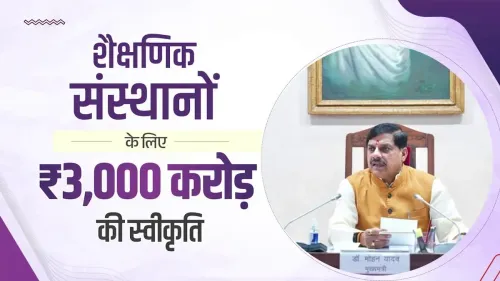
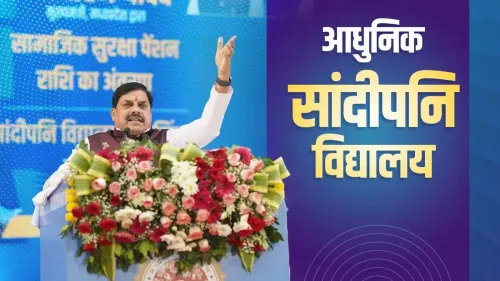
The MP Cabinet approved nearly ₹3,000 crore on 15 October 2026 for Sandipani schools , government schools, hostels, libraries, and residential institutions.
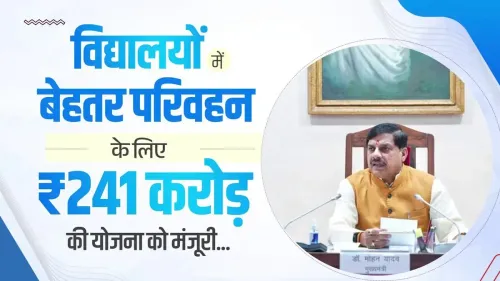
A separate ₹241 crore scheme was cleared for school transport, with District Collectors overseeing bus operations to serve tribal and OBC students.
The National AYUSH Mission received a continuation outlay of approximately ₹1,698 crore ; nine new Ayurvedic colleges have been approved in the past two and a half years.
Irrigation approvals include a ₹750 crore Sitamau scheme and a ₹1,320 crore micro-irrigation project for Singrauli , both extended for five years.
Four new Women and Child Development offices are being set up in Niwari , Mauganj , Pandhurna , and Maihar .
Bhopal is being developed as an IT hub, with a Global Investors Summit planned and 120+ industry leaders signalling investments of roughly ₹375 crore via the tourism conclave.
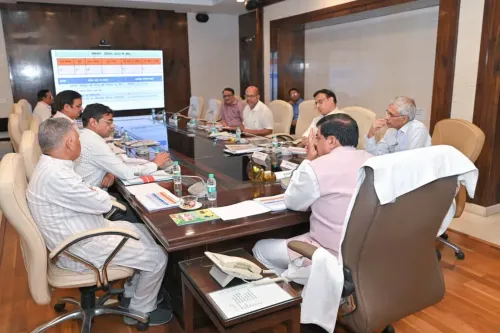
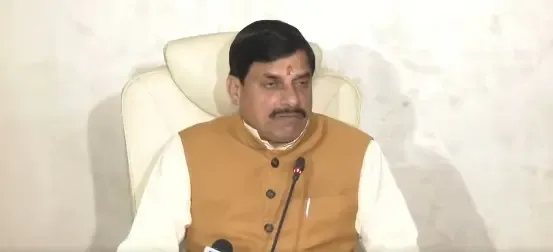
The Madhya Pradesh Cabinet on 15 October 2026 approved an allocation of nearly ₹3,000 crore for the establishment of Sandipani schools and the development of government schools, hostels, libraries, residential schools, and allied educational institutions, Chief Minister Mohan Yadav announced. Contributions from MLAs and MPs will also be pooled to upgrade facilities and improve the overall quality of education across the state.
Key Education and Transport Decisions
Alongside the school infrastructure push, the Cabinet cleared a scheme worth approximately ₹241 crore to strengthen transport facilities for school students. Responsibility for operating and maintaining buses has been assigned to District Collectors, enabling arrangements to be tailored to local conditions and regional cost variations. The initiative specifically targets students in tribal areas as well as those attending schools serving Other Backward Classes (OBC) communities across the state.
AYUSH Sector Expansion
The Cabinet also approved the continuation of the National AYUSH Mission with an outlay of approximately ₹1,698 crore to strengthen AYUSH education, healthcare services, and traditional medical practices. Chief Minister Yadav noted that when the current government took office, Madhya Pradesh had seven Ayurvedic colleges; over the past two and a half years, nine new Ayurvedic colleges have been approved and are progressing towards becoming operational.
Irrigation and Infrastructure Approvals
On the irrigation front, the Water Resources Department cleared several continuity decisions. Irrigation improvements are slated for Burhanpur, while projects in the Udaipura and Bhojpur regions of Raisen district have been approved for continuation over the next five years. A project worth approximately ₹750 crore under the Sitamau scheme and a micro-irrigation project of ₹1,320 crore benefiting the Singrauli region have also been cleared for a five-year extension. Additionally, four new offices of the Department of Women and Child Development are being established in the newly formed districts of Niwari, Mauganj, Pandhurna, and Maihar.
Industrial Growth and Tourism Push
The government is simultaneously advancing industrial and economic development. Logistics potential in and around Jabalpur is being harnessed, while food-processing units and warehouses are planned for Narsinghpur and Raisen to help farmers secure better value for their produce. Bhopal is being positioned as an emerging IT and technology hub, with a Global Investors Summit scheduled in the capital. An annual tourism conclave will also be held in Bhopal, with more than 120 industry leaders having already expressed interest in investments totalling approximately ₹375 crore. Efforts are underway to develop Dewas, Sehore, Ujjain, and Indore into metropolitan cities, with a similar vision for Jabalpur. The overall focus remains on balanced development across the Mahakaushal, Malwa, and Madhya Bharat regions through greater investment, industry, and employment opportunities.
Point of View
Irrigation, AYUSH, women's welfare, and industrial development signals a pattern more characteristic of pre-election consolidation than routine governance — worth watching given the political calendar. The Sandipani schools brand carries cultural weight in the BJP's ideological vocabulary, but the real measure of the ₹3,000 crore commitment will be execution speed and equitable reach to tribal belts, where school infrastructure has historically lagged. The AYUSH expansion, meanwhile, reflects a genuine state-level bet on traditional medicine as a healthcare supplement, but nine new Ayurvedic colleges mean little without faculty pipelines and clinical standards oversight. Bhopal's IT-hub ambition is the most speculative element: ₹375 crore in expressed investor interest at a conclave is far from committed capital.
NationPress
15 Oct 2026
Frequently Asked Questions
What are Sandipani schools and how much has MP approved for them?
Sandipani schools are a state government school initiative named after the ancient guru of Lord Krishna, aimed at combining modern education with cultural values. The Madhya Pradesh Cabinet approved nearly ₹3,000 crore on 15 October 2026 for their establishment along with upgrades to government schools, hostels, libraries, and residential institutions.
What is the school transport scheme approved by the MP Cabinet?
The Cabinet cleared a ₹241 crore scheme to strengthen bus transport for school students, particularly in tribal and OBC-dominated areas. District Collectors have been given operational responsibility to tailor arrangements to local and regional cost conditions.
What did the MP Cabinet decide for the AYUSH sector?
The Cabinet approved continuation of the National AYUSH Mission with an outlay of approximately ₹1,698 crore, covering AYUSH education, healthcare services, and traditional medical practices. Chief Minister Mohan Yadav noted that nine new Ayurvedic colleges have been approved in the past two and a half years, up from seven when the government took office.
Which irrigation projects were approved by the Madhya Pradesh Cabinet?
Key approvals include a ₹750 crore project under the Sitamau scheme and a ₹1,320 crore micro-irrigation project for the Singrauli region, both extended for five years. Irrigation improvements were also cleared for Burhanpur and projects in the Udaipura and Bhojpur regions of Raisen district.
What industrial and economic development plans did the MP Cabinet announce?
The Cabinet outlined plans to develop Bhopal as an IT and technology hub, host a Global Investors Summit, and hold an annual tourism conclave in the city, where over 120 industry leaders have indicated investment interest of roughly ₹375 crore. Logistics development around Jabalpur and agri-processing units in Narsinghpur and Raisen were also announced.