MP CM Mohan Yadav Announces 2 Lakh Govt Recruitments in 2 Years
Synopsis
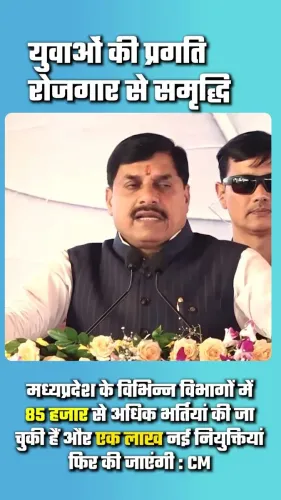
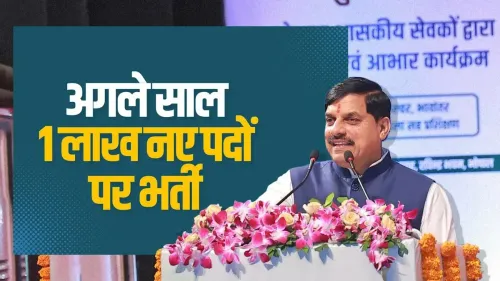
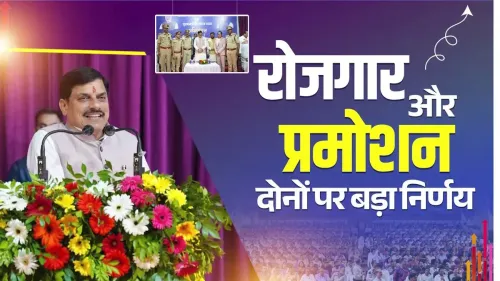
Madhya Pradesh CM Dr. Mohan Yadav has announced 2 lakh government recruitments over two years and a reform to hold MPPSC exams twice annually under 'Yuva Varsh', aiming to widen and accelerate employment opportunities for the state's youth.
Key Takeaways
2 lakh government posts to be filled in Madhya Pradesh over the next two years , as announced by CM Dr.
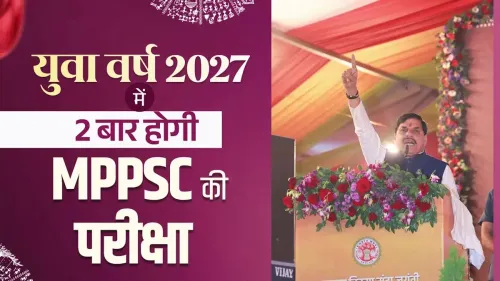
Under Yuva Varsh , the MPPSC will conduct its competitive examinations twice per year , up from the current once-a-year cycle.
The reform directly addresses long-standing delays in the civil services recruitment pipeline that have stretched aspirant wait times across multiple years.
Mohan Yadav has led Madhya Pradesh's BJP government since December 2023 , with youth employment as a stated policy priority.
The next critical milestone is the release of a detailed department-wise recruitment calendar and updated MPPSC exam notification schedules.
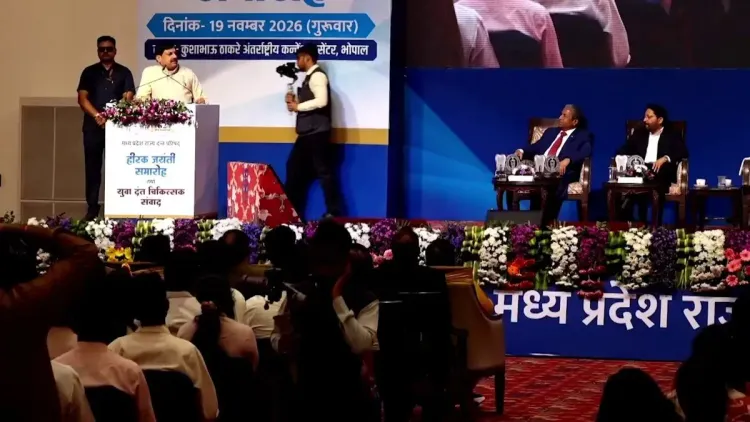
Two lakh government posts. Two years. And MPPSC exams twice a year — Madhya Pradesh Chief Minister Dr. Mohan Yadav has just redrawn the employment map for the state's job aspirants, announcing a sweeping recruitment push on Thursday, 19 November 2026 that targets both the scale of hiring and the speed of the pipeline that delivers it.
Posting from the official Chief Minister's Office account, CM Yadav declared: 'Aagami 2 varshon mein 2 lakh padon par bharti ki jaayegi' — ('In the coming two years, recruitment will be carried out for 2 lakh posts') — and paired that headline number with a structural reform: in what the government is calling Yuva Varsh, the Madhya Pradesh Public Service Commission (MPPSC) will hold its examinations twice annually instead of once, directly doubling the frequency at which candidates can enter the civil services pipeline.
Why MPPSC exam frequency matters
For thousands of young aspirants in Madhya Pradesh, MPPSC exam delays have historically meant years of uncertainty — a single annual cycle with long result timelines can stretch a candidate's wait from application to appointment to three or four years. Conducting examinations twice a year compresses that wait, creates more entry windows, and clears the institutional backlog that has frustrated an entire generation of government-job seekers. It is a structural fix, not just a numbers announcement.
The MPPSC is the state body that recruits for civil services, state engineering services, forest services, and a range of other gazetted government posts. Any change to its examination calendar carries immediate weight for a large cohort of competitive-exam aspirants across the state's 52 districts.
MP's recruitment record and what this push signals
Dr. Mohan Yadav, who has led the BJP government in Madhya Pradesh since December 2023, has made youth employment a visible policy pillar. State governments across India have increasingly used bulk recruitment drives to signal responsiveness to a young electorate impatient for stable public-sector work — but the combination of a two-year target number alongside a structural reform to examination frequency makes this announcement more substantive than a headline figure alone.
The broader national context is equally relevant: India's states are competing to convert the demographic dividend into visible employment outcomes, and Madhya Pradesh — a large, centrally-located state with a significant rural youth population — is squarely in that contest.
What aspirants should watch next
The critical follow-through will be the release of a detailed recruitment calendar laying out which departments will fill which posts, and updated MPPSC exam notification schedules confirming the twice-yearly cycle. Without that calendar, the 2 lakh figure remains a commitment on a clock. Aspirants and civil-society watchdogs will now track whether the notification rhythm matches the promise.
Madhya Pradesh just told its young population: the wait is getting shorter. Now comes the harder part — delivering on that promise, posting by posting, exam by exam.
Point of View
The Madhya Pradesh government is attempting to shift the conversation from promises to process — historically the weaker link in state recruitment drives. The 'Yuva Varsh' framing also signals a deliberate political narrative around youth engagement, a space all major parties are contesting ahead of future electoral cycles. The real test will be whether the recruitment calendar is published swiftly and adhered to, since past cycles across Indian states have seen large announced numbers dissolve into multi-year delays. If Madhya Pradesh executes, it sets a replicable template; if it stalls, it reinforces the credibility gap that makes such announcements easy to dismiss.
NationPress
19 Nov 2026
Frequently Asked Questions
How many government posts will be filled in Madhya Pradesh in the next two years?
CM Dr. Mohan Yadav has announced that 2 lakh (200,000) government posts will be filled in Madhya Pradesh over the next two years.
How often will MPPSC exams be held after this announcement?
Under the new reform announced during Yuva Varsh , the MPPSC will hold its competitive examinations twice every year , doubling the previous once-a-year frequency.
What is Yuva Varsh in Madhya Pradesh?
Yuva Varsh is a Madhya Pradesh government initiative focused on youth employment, under which reforms like the twice-yearly MPPSC exam cycle have been announced by CM Dr. Mohan Yadav.
Who is the Chief Minister of Madhya Pradesh in 2026?
Dr. Mohan Yadav is the Chief Minister of Madhya Pradesh, representing the BJP government. He has held the post since December 2023 .
When will the MP government recruitment calendar be released?
A detailed department-wise recruitment calendar and updated MPPSC exam notification schedules are expected to follow the announcement, though an exact release date has not yet been specified.