MP CM launches Mukhyamantri Sugam Parivahan Seva in Bhopal
Synopsis
The Madhya Pradesh government launched the Mukhyamantri Sugam Parivahan Seva — a new state-run public passenger bus service — at BHEL Dashahara Maidan in Bhopal on 25 September 2026, aiming to boost affordable connectivity for urban and rural commuters across the state.
Key Takeaways
The Mukhyamantri Sugam Parivahan Seva was officially launched on 25 September 2026 in Bhopal .
The launch event was held at BHEL Dashahara Maidan , a prominent public ground in Bhopal's BHEL township.
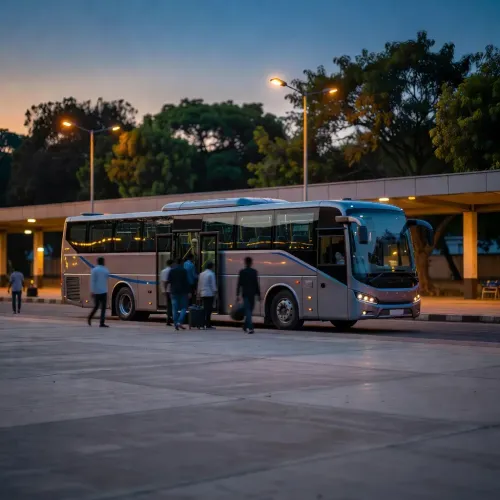
The scheme aims to provide affordable public passenger bus services across Madhya Pradesh, reducing dependence on private operators.
The Chief Minister's Office broadcast the inauguration live on X , amplifying public reach from the outset.
Phased route roll-outs and fleet induction numbers are the key metrics to watch in coming months.
Public commuters and rural passengers — especially on thin-coverage inter-town routes — are the primary intended beneficiaries.
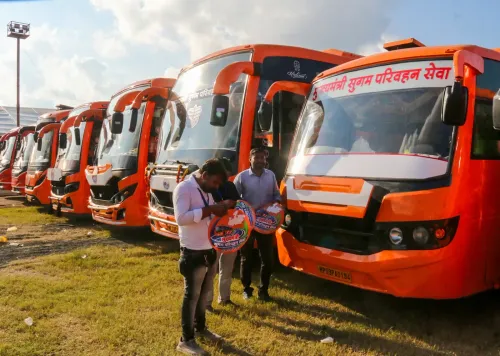
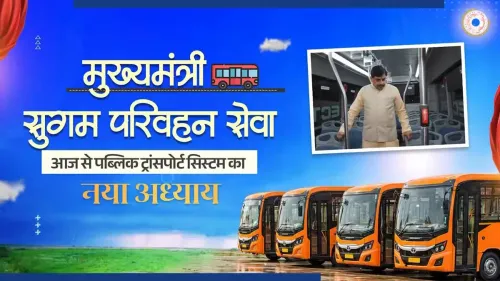
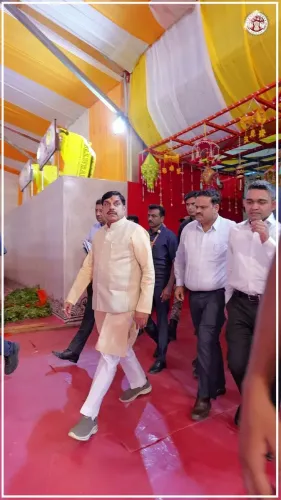
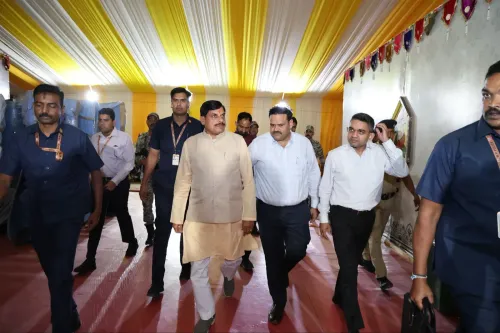
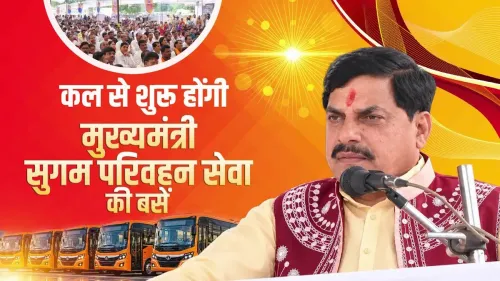
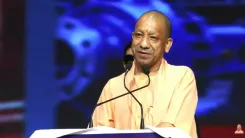
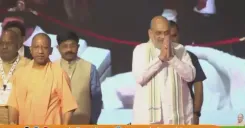
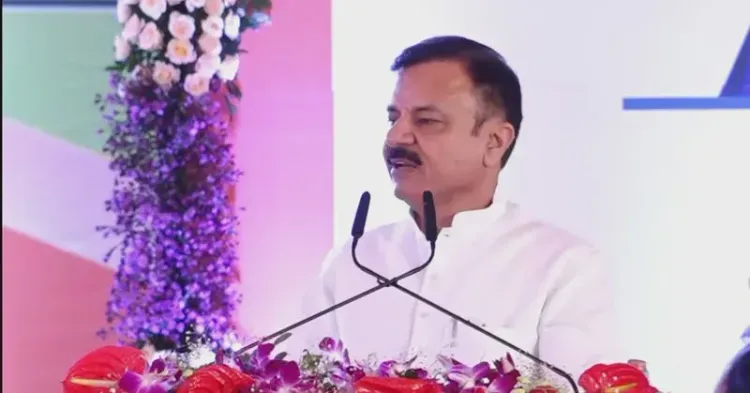
A new era of public mobility rolled into gear in Madhya Pradesh on Friday, 25 September 2026, as the Chief Minister's Office of Madhya Pradesh officially launched the Mukhyamantri Sugam Parivahan Seva — a state-run public passenger bus service — at the BHEL Dashahara Maidan in Bhopal.
BHEL grounds host Bhopal's landmark bus service roll-out
The launch ceremony was held at the sprawling grounds of Bharat Heavy Electricals Limited (BHEL), one of India's most storied central public sector enterprises, whose manufacturing township in Bhopal has long anchored the city's western corridor. The choice of venue — accessible, iconic, and central to a densely populated residential zone — underscored the scheme's intent to reach everyday commuters directly.
The Chief Minister's Office broadcast the event live on X under the hashtag #मुख्यमंत्री_सुगम_परिवहन_सेवा, signalling the government's push to give the programme wide public visibility from day one. The word sugam — meaning 'easy' or 'accessible' — captures the scheme's core promise: affordable, reliable bus connectivity for passengers who currently depend on private operators or have no formal transit option at all.
Why state-run bus services matter for Madhya Pradesh
Madhya Pradesh is one of India's largest states by area, and the gap between urban transit and rural last-mile connectivity has long been a policy pressure point. State governments across India have periodically revived or expanded bus-service networks precisely to address this gap — reducing fares, standardising routes, and cutting the commuter's dependence on unregulated private operators.
The state has maintained a transport corporation framework for decades, running both urban and inter-district routes. The Mukhyamantri Sugam Parivahan Seva appears to build on that institutional foundation while giving it fresh political and budgetary momentum. Public commuters and rural passengers stand to be the primary beneficiaries, particularly those travelling between smaller towns and district headquarters where private bus frequency is thin.
What to watch as the scheme rolls out
The launch is the starting line, not the finish. The real test will come in the weeks ahead — specifically, how many routes are activated in the first phase, how quickly the fleet is inducted, and whether the new service integrates smoothly with existing district transport arrangements. Phased rollouts of schemes like this often reveal operational gaps only once buses hit the road at scale.
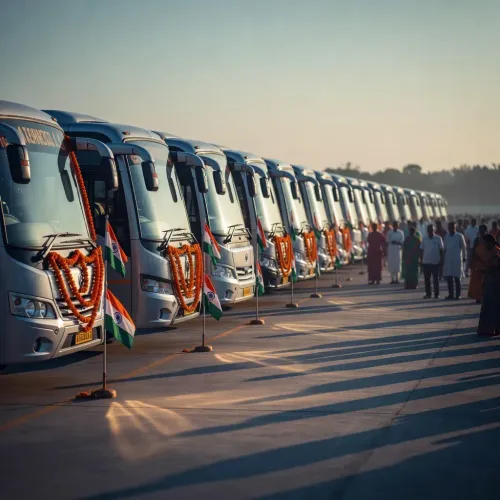
For now, the flags are out at BHEL Dashahara Maidan. Madhya Pradesh has made its move on public transit — and millions of daily commuters will be watching every route announcement that follows.
Point of View
Chief-minister-linked welfare schemes to deepen direct-delivery narratives ahead of electoral cycles. For Madhya Pradesh, reinvigorating state-run bus connectivity addresses a genuine infrastructure deficit while also generating visible grassroots goodwill — a dual dividend. The scheme's long-term credibility, however, will hinge on operational follow-through: fleet size, route penetration into underserved talukas, and financial sustainability are all unresolved questions that past state transport revivals have stumbled on. Analysts will watch whether this is a genuine structural upgrade to public mobility or a politically timed flag-off without proportionate backend investment.
NationPress
25 Sept 2026
Frequently Asked Questions
What is the Mukhyamantri Sugam Parivahan Seva?
The Mukhyamantri Sugam Parivahan Seva is a state-run public passenger bus service launched by the Madhya Pradesh government to provide affordable and accessible bus connectivity to commuters across the state, including rural and semi-urban areas.
Where was the Mukhyamantri Sugam Parivahan Seva launched?
The scheme was launched at BHEL Dashahara Maidan in Bhopal, Madhya Pradesh, on 25 September 2026.
What is BHEL Dashahara Maidan in Bhopal?
BHEL Dashahara Maidan is a large public ground located within the township of Bharat Heavy Electricals Limited (BHEL) in Bhopal, a major industrial and residential zone in the city's western corridor.
Who will benefit from the Mukhyamantri Sugam Parivahan Seva in Madhya Pradesh?
The primary beneficiaries are public commuters and rural passengers, particularly those travelling between smaller towns and district headquarters where private bus services are infrequent or expensive.
What routes will the Mukhyamantri Sugam Parivahan Seva cover?
Specific route details have not been officially confirmed in publicly available sources yet. The government is expected to announce phased route roll-outs and fleet induction numbers in the weeks following the launch.