MP CM Mohan Yadav Launches 10,000 E-Bus Drive Under PM Scheme
Synopsis
Chief Minister Dr. Mohan Yadav has launched Madhya Pradesh's rollout of 10,000 electric buses under the central PM e-Bus Seva Yojana, backed by a ₹57,000-crore PPP investment and a projected 45,000–55,000 new jobs — one of the largest single-state e-bus deployments in India.
Key Takeaways
10,000 electric buses will be deployed in Madhya Pradesh under the PM e-Bus Seva Yojana via a PPP model.
Total project cost is approximately ₹57,000 crore , with the Central Government contributing around ₹20,000 crore .
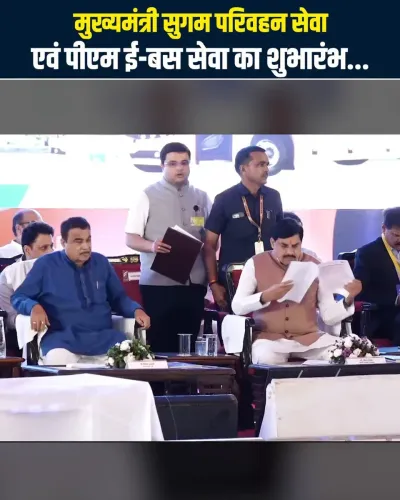
Mohan Yadav launched the initiative through what officials describe as an 'innovative model'.
The project is expected to generate 45,000 to 55,000 employment opportunities across the state.
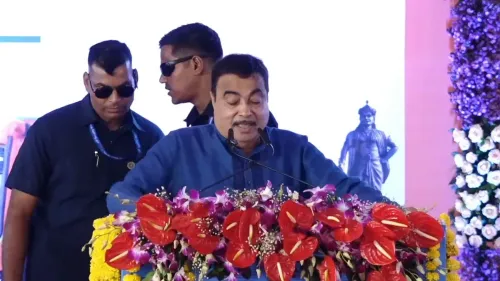
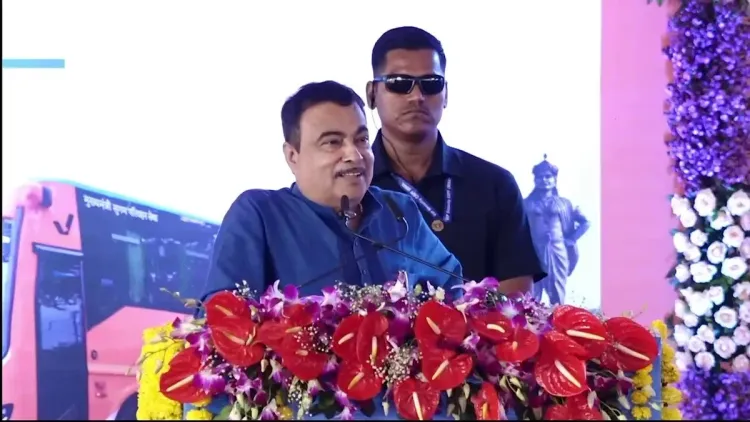
Union Minister Nitin Gadkari is directly associated with the announcement, linking it to the national urban mobility agenda.
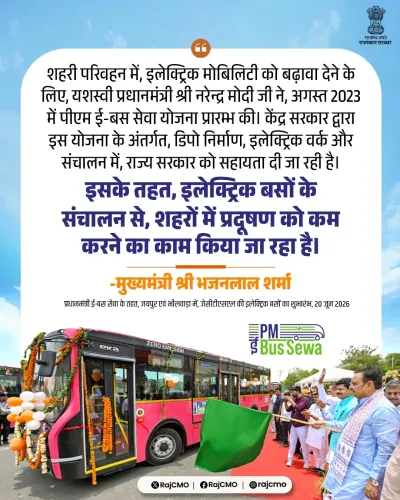
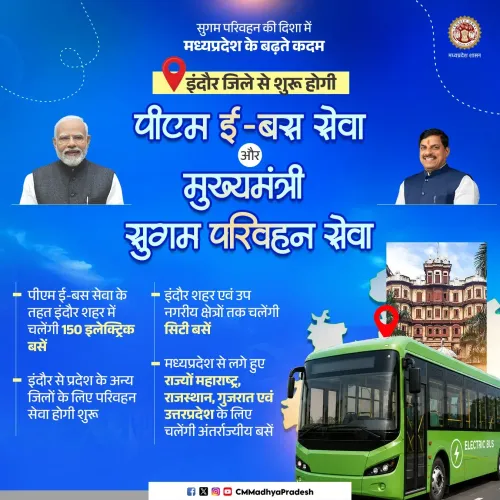
The PM e-Bus Sewa scheme was launched by the Centre in 2023 targeting electric bus deployment in 169 cities nationwide.
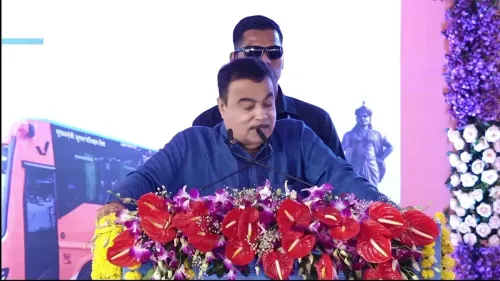
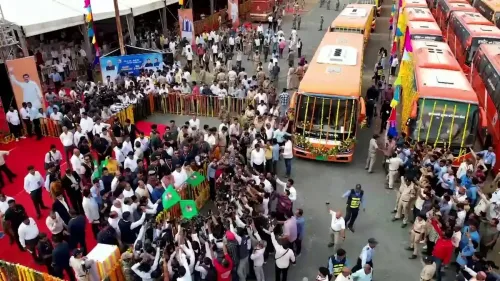
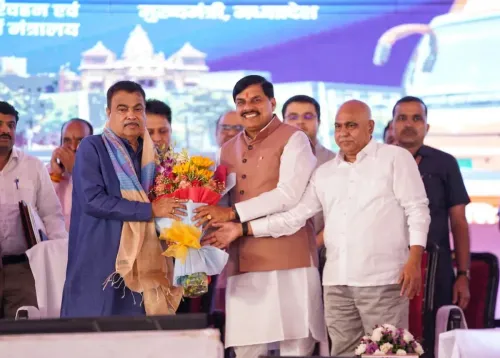
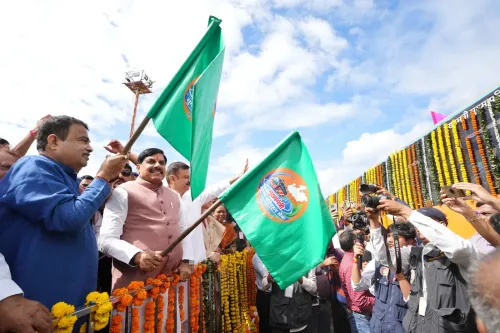
A ₹57,000-crore public transport overhaul is underway in Madhya Pradesh — and it starts with 10,000 electric buses. The Chief Minister's Office of Madhya Pradesh announced on Friday, 25 September 2026 that Chief Minister Dr. Mohan Yadav has formally launched the state's rollout under the PM e-Bus Seva Yojana, deploying the fleet through a public-private partnership (PPP) model and promising between 45,000 and 55,000 new jobs in the process.
The post, attributed to Union Minister Nitin Gadkari, described the initiative in precise financial terms: total project cost of approximately ₹57,000 crore, with the Central Government contributing roughly ₹20,000 crore. The remaining share is expected to be mobilised through the PPP structure. The announcement tags @mptransportdept and carries the hashtag #मुख्यमंत्री_सुगम_परिवहन_सेवा ('Chief Minister's Seamless Transport Service'), signalling the state government's branding of the project as a flagship mobility mission.
What the PM e-Bus Seva Yojana actually is
The Government of India launched PM e-Bus Sewa in 2023 to push electric buses into 169 cities nationwide, filling a glaring gap in urban public transport where bus fleets had aged and shrunken for years. The scheme operates on a 'gross cost contract' basis — private operators run the buses, state agencies pay per kilometre, and the Centre chips in with capital support. Madhya Pradesh's 10,000-bus target makes it one of the largest single-state deployments under the programme.
This is not India's first electric mobility push. The FAME (Faster Adoption and Manufacturing of Electric Vehicles) scheme, running since 2015, seeded an earlier generation of e-buses in select cities. PM e-Bus Seva is the scaled-up, city-network iteration — broader in geography, bigger in fleet size, and more explicitly tied to employment generation. Madhya Pradesh's move fits squarely into that trajectory.
Dr. Mohan Yadav's 'innovative model' — and what it means for commuters
The announcement specifically credits Dr. Mohan Yadav with launching the scheme through an 'innovative model' — language that suggests a state-level structural twist to the standard PPP template, though full operational details are yet to be made public. What is clear: the deployment is designed to modernise a public transport network that, like most Indian states, has long relied on ageing diesel fleets and inadequate last-mile coverage.
For daily commuters across Madhya Pradesh's cities — from Bhopal and Indore to smaller district towns — the shift to electric buses means cleaner air, lower fare volatility insulated from diesel price swings, and potentially more frequent services if the PPP operators hit their contracted kilometre targets. The projected 45,000–55,000 jobs span drivers, charging-station technicians, fleet maintenance crews, and operations management roles.
The numbers to watch as buses hit the road
The headline figures — ₹57,000 crore in total investment, ₹20,000 crore from the Centre, 10,000 buses — are significant even by national infrastructure standards. But the proof will be in the rollout: tender finalisation, phased city-by-city deployment timelines, and whether actual employment generation tracks the projected range. Gadkari's direct association with the announcement — as Union Road Transport Minister — lends the project institutional weight and links it to the broader national road-and-mobility agenda his ministry oversees.
Madhya Pradesh has committed to one of the boldest electric-bus targets in the country. The next milestone is making sure those buses leave the depot.
Point of View
000-bus commitment represents a decisive state-level scaling of central urban mobility policy — and the explicit attachment of Nitin Gadkari's name to the announcement is a deliberate signal of Centre-state alignment on a high-visibility infrastructure project. The PPP architecture keeps fiscal exposure manageable for the state while leveraging private operational efficiency, a model the Centre has been keen to replicate across the FAME-to-e-Bus Seva continuum. Critically, the jobs narrative — 45,000 to 55,000 positions — frames an infrastructure project as an employment scheme, a framing that plays well both politically and as genuine economic policy in a large, semi-urban state like MP. Tender timelines and city-wise deployment sequencing will determine whether this becomes a governance success story or a headline without follow-through.
NationPress
25 Sept 2026
Frequently Asked Questions
What is the PM e-Bus Seva Yojana?
The PM e-Bus Sewa Yojana is a central government scheme launched in 2023 to deploy electric buses in 169 Indian cities through public-private partnerships, with the Centre providing capital support and state agencies managing operations via gross-cost contracts with private operators.
How many e-buses will Madhya Pradesh get under this scheme?
Madhya Pradesh plans to operate 10,000 electric buses under the PM e-Bus Seva Yojana through the PPP model, making it one of the largest single-state deployments under the national programme.
What is the total cost of the MP e-bus project?
The total project cost is approximately ₹57,000 crore, of which the Central Government is expected to contribute around ₹20,000 crore, with the remainder mobilised through the PPP structure.
How many jobs will the MP e-bus project create?
The project is expected to generate between 45,000 and 55,000 employment opportunities in Madhya Pradesh, spanning roles such as drivers, charging-station technicians, and fleet maintenance personnel.
Who launched the e-bus scheme in Madhya Pradesh?
Chief Minister Dr. Mohan Yadav launched the scheme in Madhya Pradesh through what officials described as an innovative model, with Union Minister Nitin Gadkari also associated with the announcement.