MP CM Mohan Yadav pledges better milk prices via dairy cooperatives
Synopsis
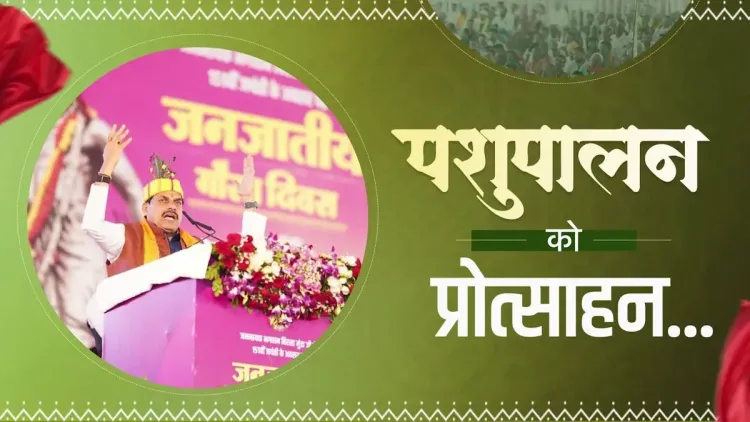
Madhya Pradesh CM Dr. Mohan Yadav has committed the state government to boosting animal husbandry and ensuring remunerative milk prices for farmers and livestock rearers through cooperative societies, with a visible focus on tribal communities.
Key Takeaways
Mohan Yadav publicly committed on 16 November 2026 to securing better milk prices for farmers and livestock rearers in Madhya Pradesh .
The government plans to route milk procurement through cooperative societies , following the established Operation Flood model.
The post explicitly tagged central tribal affairs and welfare ministries , signalling a focus on tribal livestock-rearing communities.
Animal husbandry is positioned as a supplementary income source to reduce dependence on rain-fed crop farming.
Implementation details — procurement centres, pricing floors, cold-chain infrastructure in tribal districts — remain to be announced.
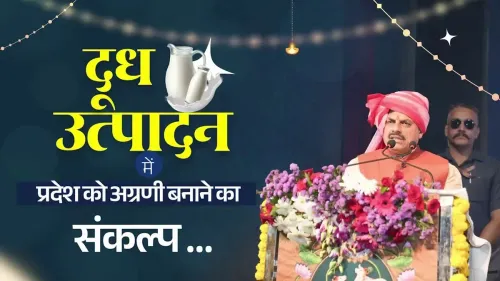
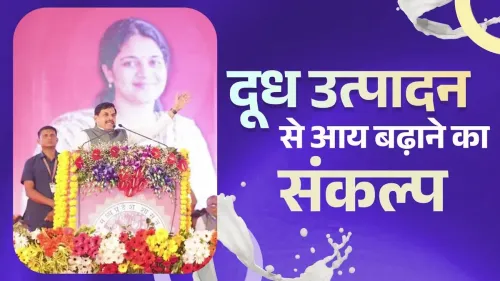
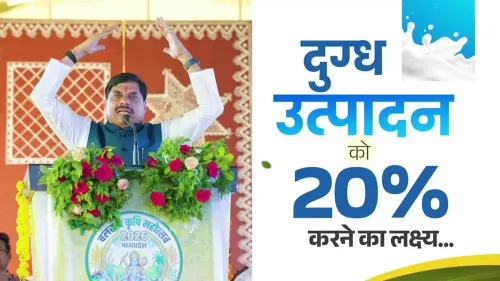
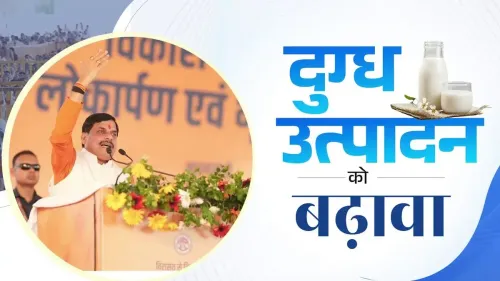
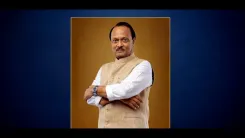
Milk, not just crops, is the economic lifeline for millions of rural and tribal households in Madhya Pradesh — and on Monday, 16 November 2026, Chief Minister Dr. Mohan Yadav made a pointed public commitment to protect it. The Chief Minister's Office of Madhya Pradesh declared the state government's resolve to promote animal husbandry and ensure farmers and livestock rearers receive better prices for their milk through cooperative societies.
Posting on X, the Chief Minister's Office quoted CM Dr. Mohan Yadav: 'प्रदेश सरकार पशुपालन को प्रोत्साहित करने के साथ सहकारी समितियों के माध्यम से किसानों और पशुपालकों को दूध का बेहतर दाम दिलाने के लिए प्रतिबद्ध है' — 'The state government is committed to encouraging animal husbandry and, through cooperative societies, to securing better prices for milk for farmers and livestock rearers.'
Why cooperatives are the instrument of choice
The cooperative dairy model in India traces its roots to Operation Flood, launched in 1970, which wired rural milk producers directly into urban markets and stripped out exploitative middlemen. The Amul pattern — procurement through village-level cooperatives, pooled processing, collective bargaining — transformed dairy from a subsistence activity into a structured income stream. Madhya Pradesh, with its vast rural hinterland and large tribal population, has periodically leaned on this architecture to supplement crop-dependent incomes.
By channelling milk procurement through cooperative societies rather than private traders, the state government aims to give small producers a price floor they can count on. For a household with two or three cattle, the difference between a fair cooperative rate and a depressed trader rate can determine whether the month ends in surplus or debt. That is the real stakes behind the policy language.
The tribal dimension
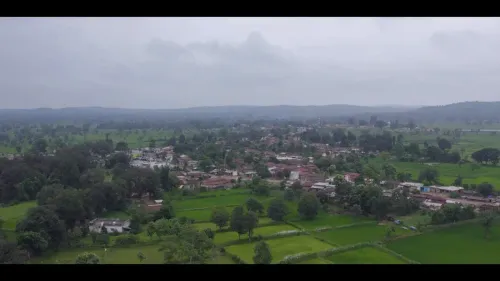
The post's tagging of @TribalAffairsIn and @WelfareTribal signals that tribal communities are a specific target of this push. Animal husbandry has long been a secondary livelihood pillar for tribal households in Madhya Pradesh's forest-adjacent districts, where land holdings are often small or fragmented. Strengthening cooperative dairy access in these geographies could widen the economic floor for some of the state's most vulnerable populations.
Implementation, however, is where such commitments are tested. The critical questions are whether new milk procurement centres will be established in tribal-dominant blocks, what minimum support pricing will look like in practice, and whether cooperative infrastructure — cold chains, collection points, payment systems — will reach the last mile. Those details are yet to surface publicly.
A pattern across agrarian states
Madhya Pradesh is not alone in this pivot. Several large agrarian states have doubled down on dairy cooperative strengthening in recent years, recognising that crop-only income strategies leave farmers exposed to monsoon volatility. Livestock-based income smooths that cycle. CM Dr. Mohan Yadav, in office since December 2023, has consistently framed rural economy revival as a core pillar — this statement slots neatly into that arc.
The cooperative promise is on the record. Now every dairy farmer in Madhya Pradesh will be watching to see the price on the slip.
Point of View
The government signals a structurally sustainable approach — but also one that is harder to deliver quickly. The tagging of central tribal welfare ministries hints at an intent to co-opt Union government resources and visibility, a pattern typical of BJP-ruled states seeking to blend state and central schemes. The real test will be whether procurement infrastructure investments follow the rhetoric into tribal-dominant districts.
NationPress
16 Nov 2026
Frequently Asked Questions
What did MP CM Mohan Yadav say about milk prices for farmers?
CM Dr. Mohan Yadav stated on 16 November 2026 that the Madhya Pradesh government is committed to encouraging animal husbandry and ensuring farmers and livestock rearers receive better prices for their milk through cooperative societies.
How do dairy cooperatives help farmers get better milk prices?
Dairy cooperatives pool milk from small producers, process it collectively, and negotiate prices as a group, eliminating exploitative middlemen — a model pioneered by India's Operation Flood from 1970 onwards.
Why are tribal communities specifically mentioned in MP's dairy cooperative push?
Animal husbandry is a key livelihood source for tribal households in Madhya Pradesh's forest-adjacent districts, where small or fragmented landholdings limit crop income, making cooperative dairy access particularly impactful for them.
What is Dr. Mohan Yadav's focus as Madhya Pradesh Chief Minister?
Dr. Mohan Yadav, who became Chief Minister of Madhya Pradesh in December 2023, has consistently emphasised rural economy revival, including agriculture and livestock-related welfare initiatives.
What is Operation Flood and how does it relate to MP's cooperative dairy plan?
Operation Flood, launched in 1970, established India's cooperative dairy model — linking village-level milk producers directly to markets. Madhya Pradesh's current push to strengthen cooperative societies builds on the same structural framework.