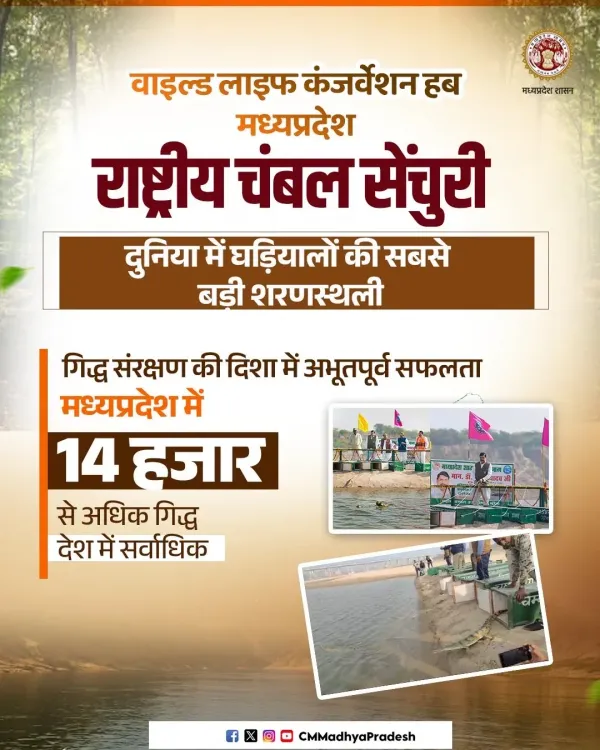
MP CM Office: Over 14,000 Vultures Counted in Madhya Pradesh
Synopsis
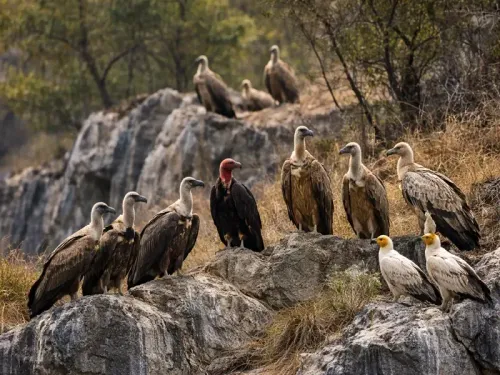
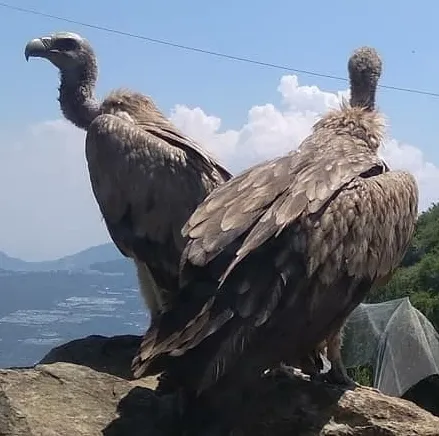
The Chief Minister's Office of Madhya Pradesh has reported a vulture population of over 14,000 in the state, spotlighting the region's role in India's long-running effort to reverse a catastrophic decline in these ecologically vital scavenger birds.
Key Takeaways
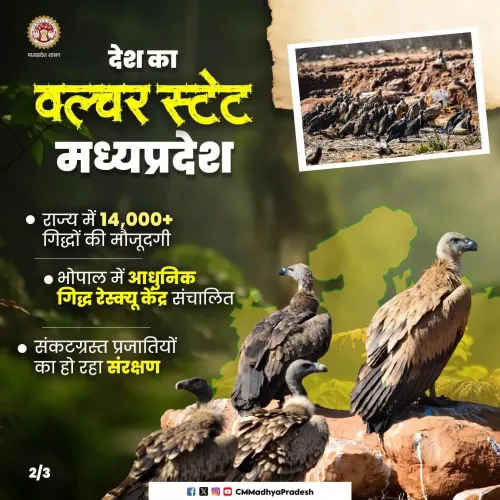
The Chief Minister's Office of Madhya Pradesh announced on 2 July 2026 that the state has more than 14,000 vultures .
Madhya Pradesh is one of India's most forested states and hosts several protected areas critical to raptor habitats.
India banned veterinary diclofenac in 2006 after the drug was identified as the primary cause of a catastrophic vulture population crash across the subcontinent.
National vulture recovery efforts since the early 2000s have combined drug regulation, captive breeding, and population monitoring programmes.
The state forest department and wildlife researchers are the key stakeholders responsible for monitoring and protecting vulture populations in Madhya Pradesh .
Detailed survey methodology and species-wise data will be needed to fully contextualise the 14,000-plus figure within national estimates.
The Chief Minister's Office of Madhya Pradesh announced on Thursday, 2 July 2026 that the state is home to more than 14,000 vultures, highlighting the region's growing status as a stronghold for these critically important scavenger birds in India.
Context
The post, shared from the official @CMMadhyaPradesh handle, stated: 'मध्यप्रदेश में 14,000 से अधिक गिद्ध' — meaning 'More than 14,000 vultures in Madhya Pradesh.' The figure underscores the state's significance as a refuge for vulture populations that suffered catastrophic declines across the Indian subcontinent in the 1990s and early 2000s.
Madhya Pradesh holds some of India's most extensive forest cover and hosts multiple protected areas, making it a critical habitat for several vulture species. The state's forest department and wildlife researchers have periodically conducted surveys to track raptor populations across these landscapes.
Policy Backdrop
India's vulture crisis was triggered largely by widespread veterinary use of the anti-inflammatory drug diclofenac, which proved fatally toxic to vultures feeding on carcasses of treated livestock. The Government of India banned veterinary diclofenac in 2006, a landmark regulatory move credited with halting the steepest phase of population decline.
Since the early 2000s, the country has pursued a multi-pronged recovery strategy combining drug regulation, captive breeding centres, and systematic population monitoring. Several states have periodically reported local rebounds in official surveys, and Madhya Pradesh's announcement fits into this broader national pattern of gradual recovery.
Stakeholders and Impact
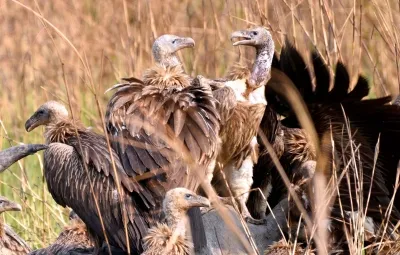
Vultures perform an irreplaceable ecological role as nature's sanitation workers, rapidly consuming carcasses and preventing the spread of disease among livestock and humans. A healthy vulture population in Madhya Pradesh benefits farmers, rural communities, and the wider ecosystem across central India.
The state forest department and wildlife researchers are the primary stewards of this recovery, responsible for habitat protection, monitoring, and coordinating with national conservation bodies. The figure of more than 14,000 individuals, if borne out by systematic survey methodology, would represent one of the largest state-level vulture counts reported in recent years.
What's Next
Conservation experts and wildlife bodies will be watching for the release of detailed survey methodology and species-wise breakdowns to contextualise the 14,000-plus figure within national population estimates. The next state or national vulture census, as well as any new protected-area notifications specifically aimed at securing raptor habitats, will be key milestones to track.
The announcement also raises expectations of stronger policy measures — including expanded vulture-safe zones and stricter monitoring of veterinary drug compliance — that could consolidate Madhya Pradesh's position as a model for avian conservation in India.
Point of View
000 is a calculated signal of ecological stewardship at a time when wildlife conservation has become a soft-power asset for state administrations. It fits a broader national pattern in which state governments leverage biodiversity milestones to project governance credibility, particularly ahead of policy reviews or budget cycles. The figure, however, will face scrutiny from the scientific community, which typically demands transparent survey methodology before validating population claims. If substantiated, the number would position Madhya Pradesh as a frontline success story in India's two-decade effort to reverse one of the most dramatic avian population crashes in recorded history.
NationPress
2 Jul 2026
Frequently Asked Questions
How many vultures are there in Madhya Pradesh in 2026?
The Chief Minister's Office of Madhya Pradesh announced on 2 July 2026 that the state has more than 14,000 vultures, making it one of the significant vulture habitats in India.
Why did vulture populations decline in India?
Vulture populations in India crashed in the 1990s and early 2000s primarily due to widespread veterinary use of diclofenac, an anti-inflammatory drug that is fatally toxic to vultures feeding on carcasses of treated livestock.
What did India do to protect vultures?
India banned the veterinary use of diclofenac in 2006 and has since pursued vulture recovery through captive breeding centres and systematic population monitoring programmes across multiple states.
Which state in India has the most vultures?
Madhya Pradesh, with its extensive forest cover and multiple protected areas, is considered one of India's most important vulture habitats; the state government reported over 14,000 vultures as of July 2026.
What is the ecological importance of vultures in India?
Vultures are critical scavengers that rapidly consume animal carcasses, preventing the spread of disease among livestock and human populations; their decline has had measurable negative impacts on rural sanitation and public health.