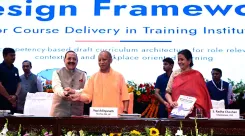
CM Mohan Yadav to Chair Urban Growth Conclave 2.0 in Indore
Synopsis
Madhya Pradesh CM Dr. Mohan Yadav will preside over Urban Growth Conclave 2.0 in Indore on 28 October 2026, with deliberations centred on effective water management and reuse as a lever for sustainable urban development across the state.
Key Takeaways
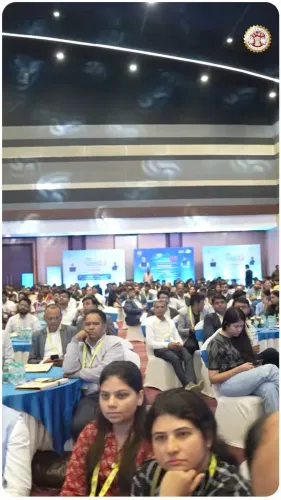
Urban Growth Conclave 2.0 will be held on 28 October 2026 at Brilliant Convention Centre, Indore .
Mohan Yadav will attend as the chief guest.
The conclave's central theme is effective water management and wastewater reuse for urban growth.
Indore , India's top-ranked city in Swachh Survekshan surveys, is the host — underscoring MP's track record in sustainable urban governance.
The event aligns with the national AMRUT 2.0 framework, which prioritises water recycling and sewerage infrastructure in Indian cities.
Registrations are open at ugconclave.mp.gov.in , inviting urban planners, municipal bodies, and industry stakeholders.
India's cleanest city is about to host its most consequential urban conversation yet. The Chief Minister's Office of Madhya Pradesh announced on Friday, 23 October 2026, that Chief Minister Dr. Mohan Yadav will serve as the chief guest at Urban Growth Conclave 2.0 — a high-stakes urban development summit anchored around one urgent question: how does a fast-growing state turn water conservation into the engine of its cities' future?
What Indore's Stage Signals for the Whole State
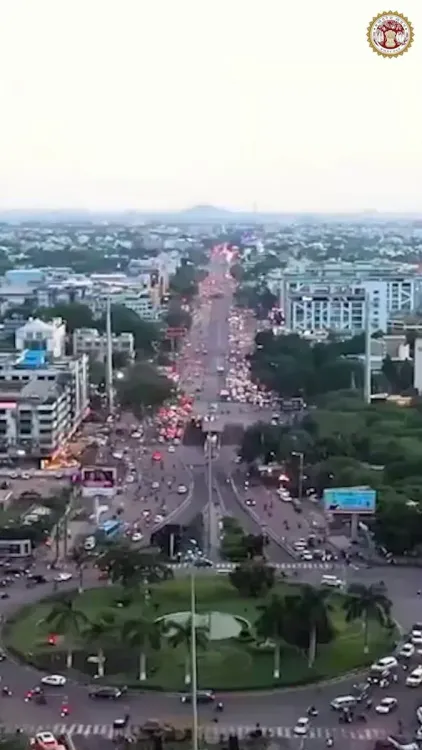
The conclave is scheduled for 28 October 2026 at the Brilliant Convention Centre, Indore. The choice of venue is deliberate. Indore — Madhya Pradesh's largest city and the nation's perennial top-ranked city in Swachh Survekshan surveys — is itself a proof of concept: disciplined, sustained urban governance can produce measurable, nationally recognised results. Hosting the conclave here sends a clear signal that the state wants to replicate and scale that model.
The CMO's post framed the summit's core purpose plainly: 'jal ke prabhavi prabandhan aur punah upyog par hoga manthan' ('there will be deliberation on effective water management and its reuse'). That framing — water not merely as a utility but as a driver of urban growth — sits at the heart of what planners call the water-resilient city agenda.
AMRUT 2.0 and the Policy Architecture Behind the Conclave
The summit lands against a well-established national policy backdrop. The Atal Mission for Rejuvenation and Urban Transformation (AMRUT) 2.0, launched by the central government in 2021, places water recycling, sewerage infrastructure, and urban water-body rejuvenation at the centre of India's urban renewal programme. Madhya Pradesh's urban local bodies and municipal corporations are active stakeholders under AMRUT, and conclaves of this format typically serve as alignment platforms — matching state-level projects with central mission timelines and funding windows.
The Madhya Pradesh Urban Development Department, co-tagged in the official announcement, is the nodal body overseeing state-level execution. Its presence signals that whatever frameworks emerge from Urban Growth Conclave 2.0 are likely to feed directly into departmental planning cycles for Indore and beyond.
Registration Open, Outcomes to Watch
The CMO post directed stakeholders to register at ugconclave.mp.gov.in — an indication that participation extends beyond government delegates to urban planners, water utilities, municipal corporations, and industry partners. The breadth of that audience is itself significant: urban water resilience cannot be achieved by the state alone, and the open-registration model suggests the government is courting private-sector and civil-society expertise alongside institutional players.
Watchers of Madhya Pradesh's urban policy cycle will be looking for concrete outputs: pilot project announcements on wastewater reuse, budget commitments, or new tenders by the urban development department targeting secondary cities beyond Indore.
A state that taught India how to clean its streets is now asking a harder question — can it also teach India how to save its water? The answer starts in Indore, on 28 October.
Point of View
Chief Minister Mohan Yadav is signalling that Madhya Pradesh intends to position water resilience — not just cleanliness rankings — as the next frontier of its urban governance story. This fits a broader pattern of BJP-governed states using high-visibility conclaves to attract investment and align state delivery with central missions like AMRUT 2.0. Indore's status as India's model clean city gives the event an implicit 'proof-of-concept' credibility that Bhopal-hosted events would not carry. The real test will be whether the deliberations on 28 October translate into concrete departmental tenders and budget lines — or remain aspirational framework documents.
NationPress
23 Oct 2026
Frequently Asked Questions
What is Urban Growth Conclave 2.0 in Indore?
Urban Growth Conclave 2.0 is a state-level urban development summit organised by the Madhya Pradesh government, scheduled for 28 October 2026 at Brilliant Convention Centre, Indore, with Chief Minister Dr. Mohan Yadav as the chief guest. It will focus on effective water management and reuse as drivers of urban growth.
How can I register for Urban Growth Conclave 2.0?
Registration for Urban Growth Conclave 2.0 is open at the official portal ugconclave.mp.gov.in, as announced by the Chief Minister's Office of Madhya Pradesh.
What is the theme of Urban Growth Conclave 2.0?
The conclave's theme centres on effective water management and the reuse of water as a strategy for sustainable urban development across Madhya Pradesh.
Why is Indore hosting the Urban Growth Conclave?
Indore is India's largest city in Madhya Pradesh and has been consistently ranked the country's cleanest city in national Swachh Survekshan surveys, making it a symbol of successful urban governance and a fitting stage for a conclave on sustainable city growth.
How does the conclave relate to AMRUT 2.0?
AMRUT 2.0, the central government's urban transformation mission launched in 2021, prioritises water recycling, sewerage infrastructure, and water-body rejuvenation. The Urban Growth Conclave 2.0 is expected to help align Madhya Pradesh's state urban projects with AMRUT 2.0 timelines and funding.