MP CM Yadav: PM MITRA Park to generate 3 lakh jobs
Synopsis
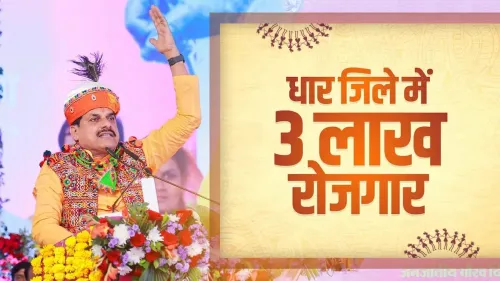
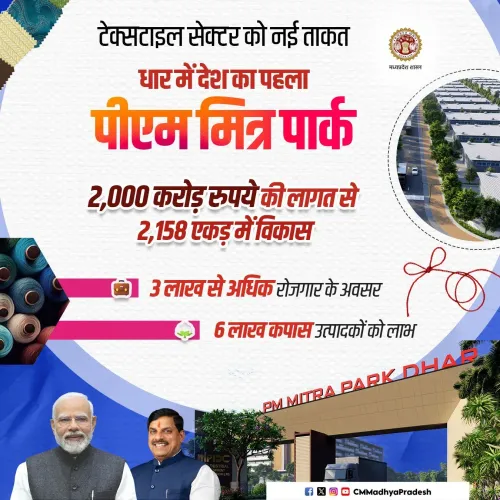
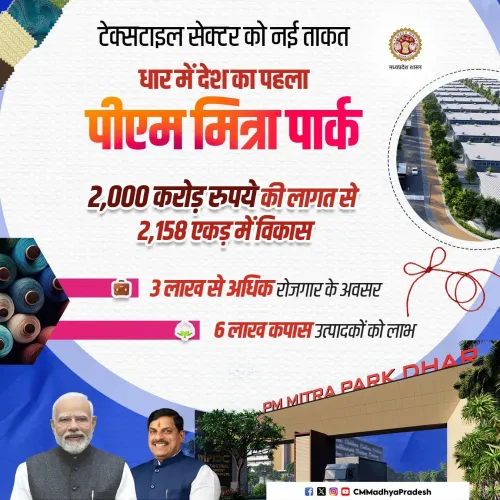
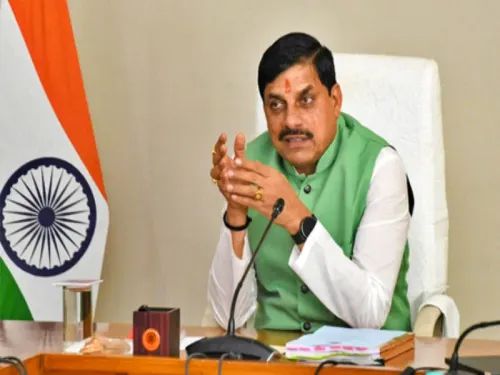
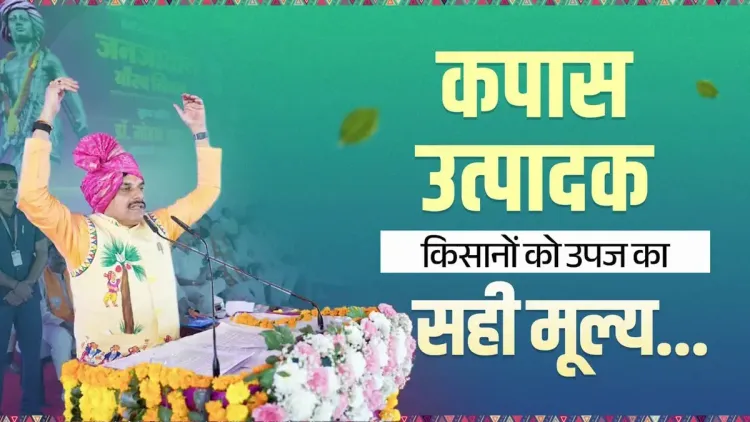
On Janjatiya Gaurav Diwas, MP CM Dr. Mohan Yadav announced the PM MITRA textile park will generate 3 lakh jobs in the state and said around 6 lakh cotton farmers are already receiving fair prices for their produce under state government support.
Key Takeaways
Mohan Yadav made the announcement on Janjatiya Gaurav Diwas, 15 November 2026 .
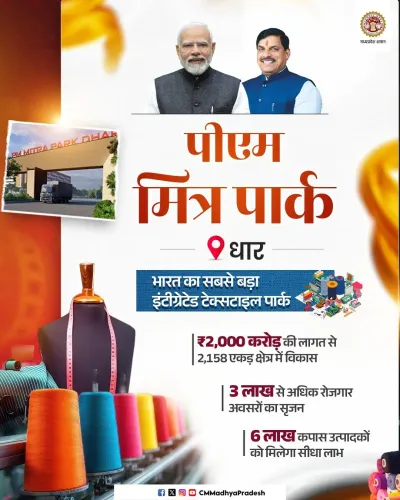
The PM MITRA Park developing in Madhya Pradesh is projected to create 3 lakh employment opportunities .
The state government says approximately 6 lakh cotton-producing farmers in the region are receiving fair prices for their produce.
The PM MITRA scheme was approved by the Union Cabinet in 2021 to set up seven integrated textile parks across India.
Madhya Pradesh was included in the PM MITRA rollout to support textile value-chain development and local employment in its cotton belt.
Actual job creation and physical construction progress at the state's PM MITRA site remain key indicators to watch.
On Janjatiya Gaurav Diwas, 15 November 2026, Madhya Pradesh Chief Minister Dr. Mohan Yadav put a striking pair of numbers on the table: 3 lakh jobs to flow from the state's PM MITRA textile park, and direct price support already reaching 6 lakh cotton farmers across the region — framing the Centre's flagship textile scheme as a twin engine of employment and agrarian dignity.
What PM MITRA promises Madhya Pradesh's cotton belt
Speaking at the event, CM Yadav credited Prime Minister Narendra Modi's vision for the PM MITRA (Mega Integrated Textile Region and Apparel Park) scheme, which the Union Cabinet approved in 2021 to build seven integrated textile parks across India. The idea is straightforward but ambitious: collapse the gap between raw cotton and finished apparel within a single geography, so the value that once leaked to distant mills stays local.
Madhya Pradesh, one of India's significant cotton-producing states, was included in the PM MITRA rollout precisely to anchor that value chain. Yadav described the park as developing 'PM Modi ji ke aashirwad se' — 'with the blessings of PM Modi ji' — and said it would create 3 lakh employment opportunities for people of the state.
6 lakh cotton farmers and the 'right price' pledge
The second number CM Yadav put forward is arguably the more immediate one. He stated that the state government is already ensuring approximately 6 lakh cotton-producing farmers in the region receive the 'right price' — 'sahi mulya' — for their produce. The claim ties farmer welfare directly to the textile park's upstream logic: a functioning processing hub nearby should, in theory, strengthen the bargaining position of the growers who feed it.
The announcement came on Janjatiya Gaurav Diwas, the annual observance held every 15 November to honour tribal leaders, most prominently freedom fighter Birsa Munda. Madhya Pradesh, home to a substantial Scheduled Tribe population concentrated in its cotton-growing districts, makes the economic framing on this particular day politically resonant.
Integrated parks as Central textile strategy
The PM MITRA scheme is Central government textile policy's most ambitious structural bet in years — not a subsidy, but an ecosystem. Each park is designed to house spinning, weaving, processing, dyeing, printing, and apparel manufacturing under one roof, with plug-and-play infrastructure that individual firms cannot afford alone. The goal is to make India a serious rival in global apparel exports, a market currently dominated by Bangladesh and Vietnam.
Whether the Madhya Pradesh park can translate that blueprint into the 3 lakh jobs CM Yadav cited will depend on physical construction timelines, private investment commitments, and offtake from global buyers — all of which remain to be watched closely in coming years.
For the cotton farmers of Madhya Pradesh, the question is simpler and more urgent: does a local textile cluster finally mean the price they receive at the farm gate reflects what their fibre is actually worth?
Point of View
Linking a Union scheme's long-term promise to tangible near-term state action. Anchoring the message on Janjatiya Gaurav Diwas is deliberate: Madhya Pradesh's tribal districts overlap significantly with its cotton-growing regions, letting the government frame industrial policy as social equity. The PM MITRA scheme's success will ultimately be judged by private investment actually landing and export orders following — the gap between scheme design and delivery has historically been the sticking point for India's textile park ambitions.
NationPress
15 Nov 2026
Frequently Asked Questions
What is PM MITRA Park and how does it affect Madhya Pradesh?
PM MITRA stands for Mega Integrated Textile Region and Apparel Park, a Union Cabinet-approved scheme from 2021 to build seven textile clusters across India. Madhya Pradesh is one of the selected states; CM Yadav says the park will create 3 lakh jobs in the state.
How many cotton farmers in MP are benefiting from fair price support?
CM Dr. Mohan Yadav stated that approximately 6 lakh cotton-producing farmers in the region are being given the right price for their produce by the state government.
What is Janjatiya Gaurav Diwas and why was this announcement made on this day?
Janjatiya Gaurav Diwas is observed on 15 November every year to honour tribal leaders including freedom fighter Birsa Munda. Madhya Pradesh has a large Scheduled Tribe population concentrated in its cotton-growing districts, making the economic announcement on this day particularly significant.
When did the Indian government approve the PM MITRA textile park scheme?
The Union Cabinet approved the PM MITRA scheme in 2021, with a plan to establish seven integrated textile parks across India to link cotton production with apparel manufacturing and exports.
What will the PM MITRA park in Madhya Pradesh actually do?
The park is designed as an integrated textile ecosystem — housing spinning, weaving, processing, and apparel manufacturing in one location — aimed at keeping value within the state, boosting exports, and creating local employment.