MP State Finance Commission launches sfc.mp.gov.in for public input
Synopsis
Madhya Pradesh has given citizens a direct line into how local body finances are decided. The new sfc.mp.gov.in portal lets residents submit suggestions to the State Finance Commission — the body that determines how state tax revenue is shared with panchayats and municipalities. It is a rare transparency move in a domain that rarely invites public input.
Key Takeaways
The Madhya Pradesh State Finance Commission launched its official website sfc.mp.gov.in on 20 August in Bhopal .
The portal allows citizens, officials, and experts to access Commission recommendations and submit suggestions online.
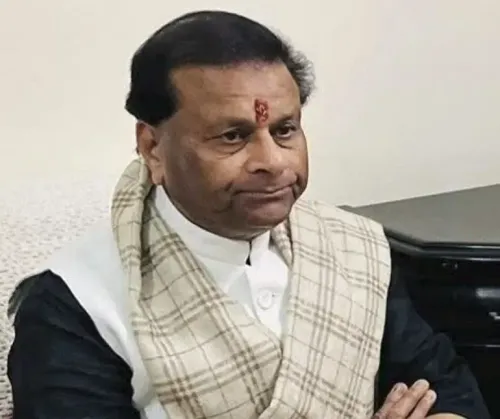
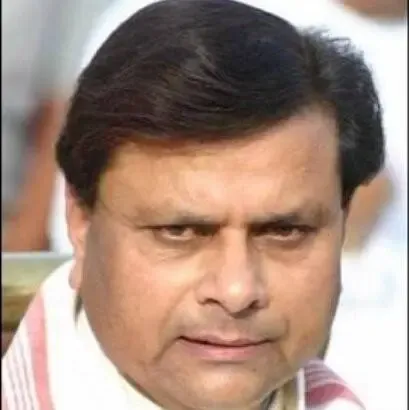
Commission Chairman Jaibhan Singh Pawaiya inaugurated the site at Vallabh Bhawan , with Deputy CM Jagdish Devda present.
The Commission is mandated to recommend revenue-sharing principles between the state and panchayats and urban local bodies .
Its scope covers land taxes , stamp duties , petroleum product taxes , debt obligations, capital expenditure, and audit systems.
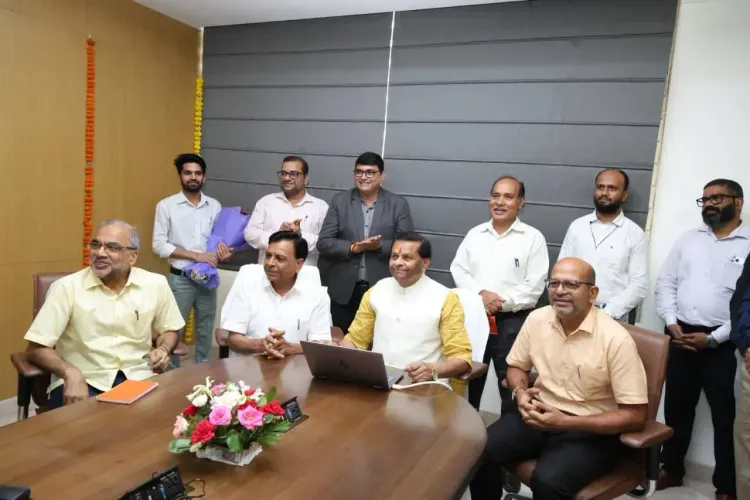
The Madhya Pradesh State Finance Commission on Thursday, 20 August launched a dedicated website, sfc.mp.gov.in, to make its work, recommendations, and data on the financial health of panchayats and urban local bodies publicly accessible — and to open a direct channel for citizen suggestions. The launch took place at Vallabh Bhawan (Secretariat) in Bhopal.
Launch and Key Officials Present
State Finance Commission Chairman Jaibhan Singh Pawaiya inaugurated the portal in the presence of Deputy Chief Minister and Finance Minister Jagdish Devda, Additional Chief Secretary (Finance) Manish Rastogi, and Commission members K.K. Singh and Virendra Kumar. The event marked a formal step toward greater transparency in how the Commission engages with public stakeholders.
What the Website Offers
The portal is designed as a single digital platform where public representatives, officials, domain experts, and ordinary citizens can track the Commission's functioning, activities, and formal recommendations. Crucially, it allows citizens to submit suggestions online — giving the Commission a structured mechanism to receive views on local body finances without intermediaries.
Pawaiya said the site 'will serve as an important medium to communicate the Commission's work to the public and receive their suggestions.'
Mandate of the Commission
The State Finance Commission is constitutionally mandated to assess the financial position of panchayats and municipalities and recommend measures to strengthen their resource base. Its scope includes examining the distribution of net revenue from state taxes, duties, tolls, and fees, and recommending principles for resource-sharing between the state government and local bodies.
The Commission also reviews principles governing grants and taxes to local bodies — including revenue from land taxes, stamp duties, and taxes on petroleum products. Additionally, it will examine debt obligations, interest payments, limits on establishment expenditure, and make recommendations on capital expenditure, public amenity expansion, and incentive policies.
Broader Governance Implications
Pawaiya noted that the Commission would review the audit system of local bodies, promote environmental conservation initiatives, and suggest measures to rationalise operation and maintenance expenditure on public amenities. 'We will review the financial status of local bodies and make recommendations to strengthen their resources and improve public services and amenities,' he said.
This comes amid a broader national push to strengthen the fiscal autonomy of gram panchayats and urban local bodies, which have long been dependent on state transfers. A public-facing portal could, in principle, surface grassroots concerns that formal bureaucratic channels tend to miss. The Commission's recommendations will feed into how Madhya Pradesh allocates devolved funds to its local governance units going forward.
Point of View
Noted, and filed. Madhya Pradesh opening a citizen-facing portal is a step forward, but the real test is whether suggestions submitted online will be acknowledged, let alone acted upon. The Commission's mandate — determining how state tax revenue trickles down to panchayats and municipalities — directly affects service delivery for crores of citizens. A portal without a transparent feedback loop risks becoming a digital suggestion box that no one reads. The credibility of this initiative will depend on whether the Commission publishes responses to public inputs alongside its final recommendations.
NationPress
5 Oct 2026
Frequently Asked Questions
What is the Madhya Pradesh State Finance Commission website?
The Madhya Pradesh State Finance Commission website, sfc.mp.gov.in, is a public portal launched on 20 August to share the Commission's work, recommendations, and data on the financial position of panchayats and urban local bodies. It also allows citizens to submit suggestions online directly to the Commission.
Who launched the sfc.mp.gov.in portal?
State Finance Commission Chairman Jaibhan Singh Pawaiya inaugurated the website at Vallabh Bhawan in Bhopal. Deputy Chief Minister and Finance Minister Jagdish Devda, Additional Chief Secretary (Finance) Manish Rastogi, and Commission members K.K. Singh and Virendra Kumar were also present at the launch.
What does the Madhya Pradesh State Finance Commission do?
The Commission examines the distribution of net revenue from state taxes, duties, tolls, and fees, and recommends principles for resource-sharing between the state government, panchayats, and urban local bodies. It also reviews debt obligations, capital expenditure, audit systems, and policies to improve public services at the local level.
How can citizens submit suggestions to the MP State Finance Commission?
Citizens can visit sfc.mp.gov.in and use the online submission feature to send their suggestions directly to the Commission. This is intended to give residents, public representatives, officials, and experts a direct channel to raise issues related to local body finances and functioning.
Why does the State Finance Commission's work matter for ordinary citizens?
The Commission's recommendations determine how state tax revenue — including proceeds from land taxes, stamp duties, and petroleum product taxes — is distributed to panchayats and municipalities. These funds directly affect local infrastructure, public amenities, and service delivery at the grassroots level.